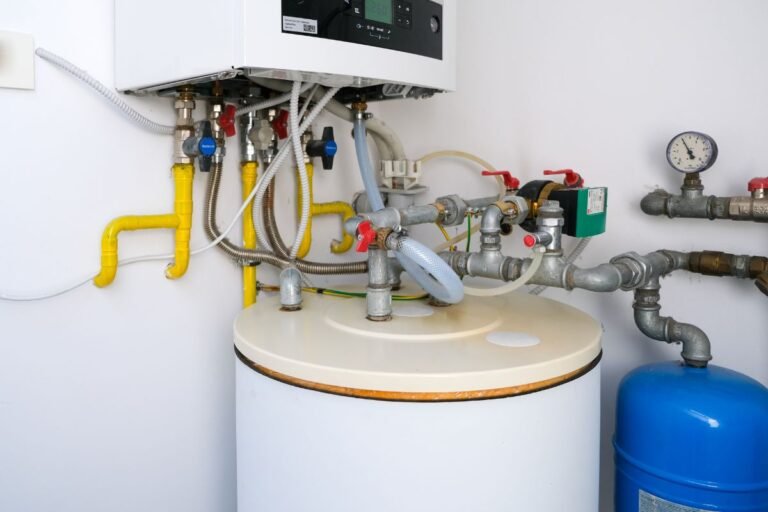
Water is something most people use without giving it much thought. It runs through the shower, fills the coffee pot, washes dishes, and keeps the household moving. Yet when water starts leaving spots on glassware, creating an unusual smell, drying out skin, or affecting the taste of drinking water, it becomes clear that quality matters.
In Florida, water conditions can vary considerably from one community to another. Mineral content, local supply sources, plumbing systems, and environmental factors all influence what comes out of a tap. Homeowners and businesses in hernando county may experience different concerns from those in coastal communities or larger urban areas. Understanding these differences is the first step toward choosing a practical water treatment solution.
Why Florida Water Can Create Everyday Challenges
Florida’s water is often associated with hardness because it passes through limestone and other mineral-rich geological formations. Hard water contains elevated levels of calcium and magnesium. While these minerals are not usually considered a major health concern, they can create plenty of household frustrations.
Common signs of hard water include white deposits around faucets, cloudy shower doors, stiff laundry, reduced soap lather, and scale buildup inside water heaters and appliances. Over time, mineral deposits may affect the performance and efficiency of plumbing fixtures and equipment.
Hard water is not the only issue, though. Some properties may experience unpleasant odors, sediment, discoloration, or concerns related to specific contaminants. Private wells can bring additional considerations because their quality may change with weather, land use, or changes in groundwater conditions.
Rather than guessing what is in the water, homeowners should begin with testing. A water test provides useful information about hardness, pH, iron, chlorine, sediment, and other relevant factors. The results make it easier to select equipment that addresses an actual problem instead of paying for a system that offers little benefit.
Water Quality Considerations in Hernando County
Homes throughout hernando county may encounter hard water, mineral buildup, and other water-related concerns. The exact condition depends on the property, its water source, and the local distribution system. Some households may mainly need a water softener, while others could benefit from a broader filtration setup.
A water softener is designed primarily to reduce hardness minerals. It works through a process called ion exchange, replacing calcium and magnesium ions with sodium or potassium ions. The result is water that is gentler on plumbing, appliances, skin, and fabrics.
However, a softener does not remove every possible contaminant. If the water also contains sediment, unpleasant taste, odors, or other impurities, a whole-house filtration system may be more suitable. In some cases, homeowners choose to combine a softener with a filtration unit so that each system performs a specific job.
The best approach depends on testing and the household’s priorities. A family concerned mainly about scale may need a different setup than someone focused on drinking water taste or well-water odor.
Coastal Water Concerns in Pinellas County
Water quality discussions in pinellas county often include the effects of mineral-rich water, aging plumbing, and coastal environmental conditions. While public water supplies are treated and regulated, the quality experienced at the tap can still be influenced by the building’s plumbing, water heater, and internal pipes.
For example, older plumbing may contribute to discoloration or metallic tastes. Sediment can collect in water heaters or enter a home through plumbing disturbances. Even when the incoming water meets regulatory standards, homeowners may still prefer additional filtration for taste, odor, or general peace of mind.
Whole-house filters are useful when the goal is to improve water throughout the property rather than only at one kitchen faucet. Depending on the filter media, these systems can target sediment, chlorine, odors, and certain other substances. A professional should recommend the filter based on test results because no single filter is designed to remove everything.
For drinking and cooking, some households also consider reverse osmosis systems. Reverse osmosis uses a semi-permeable membrane to reduce many dissolved impurities. These systems are commonly installed under the kitchen sink and provide a dedicated source of filtered drinking water without treating every gallon used in the home.
Water Treatment Needs Around Tampa
As a growing metropolitan area, tampa includes a wide mix of homes, apartments, offices, restaurants, and commercial properties. Water treatment needs can differ significantly between a suburban home, a downtown office, and a business that depends on consistent water quality for daily operations.
Residential customers may be interested in softeners, whole-house filters, under-sink reverse osmosis, or ultraviolet treatment for specific water sources. Commercial properties often require more specialized solutions because water quality can affect equipment, cleaning processes, customer experience, and operating costs.
Restaurants, for instance, may need water that supports the taste and consistency of food and beverages. Hard water can also contribute to scale inside coffee machines, dishwashers, boilers, and other equipment. In an office, a bottleless water cooler or point-of-use filtration system may provide convenient drinking water while reducing the need for deliveries and plastic bottles.
Commercial water treatment should always be sized according to usage. A system that works well for a small office may not be suitable for a busy restaurant or industrial facility. Flow rate, peak demand, maintenance requirements, and available installation space all matter.
Choosing Between Softening, Filtration, and Reverse Osmosis
The terminology surrounding water treatment can feel confusing. A softener, filter, and reverse osmosis system are not interchangeable, even though they may be used together.
A water softener focuses on hardness minerals and is often the right choice for reducing scale and improving the performance of water-using appliances. A whole-house filter treats water as it enters the property and may target sediment, chlorine, taste, or odors depending on its design.
Reverse osmosis is generally used for highly purified drinking and cooking water. It can reduce a broad range of dissolved substances, but it usually produces water at a slower rate and may send some water to drain during the filtration process. It is often installed at a specific tap rather than throughout the entire house.
Ultraviolet systems are another option, particularly for certain well-water applications. UV treatment uses ultraviolet light to inactivate microorganisms, but it does not remove hardness, sediment, or dissolved chemicals. Pre-filtration is often necessary for the system to work effectively.
The right combination depends on what the water test reveals. More equipment is not automatically better. A properly selected and maintained system is usually more valuable than an unnecessarily complicated setup.
The Importance of Professional Installation and Maintenance
Even a high-quality water treatment system can perform poorly if it is installed incorrectly or neglected. Professional installation helps ensure the equipment is properly sized, connected, and configured for the property’s water pressure and flow requirements.
Maintenance is equally important. Filters need to be replaced at the recommended intervals, softeners may require salt or potassium replenishment, and reverse osmosis membranes eventually need attention. Ignoring maintenance can reduce performance and may allow contaminants or buildup to return.
Homeowners should also ask about warranties, service agreements, replacement-part availability, and emergency support before making a purchase. A water treatment system is a long-term investment, not simply a product that is installed and forgotten.
Making a Practical Decision for Your Property
Water quality concerns can seem complicated at first, but the process becomes much simpler when approached step by step. Start with a professional water test. Identify the specific problems that need attention. Compare systems based on their actual purpose, installation requirements, operating costs, and maintenance needs.
Whether you live in a quiet residential neighborhood, a coastal community, or a busy urban area, the goal remains the same: water that is cleaner, more pleasant to use, and better suited to your property.
Good water treatment is not about buying the most expensive equipment. It is about understanding your water and choosing a dependable solution that fits your everyday life. With the right testing, professional guidance, and regular care, homeowners and businesses can protect their plumbing, improve comfort, and enjoy greater confidence in the water they use every day.