When your home is too hot in July or stubbornly cold in January, an HVAC problem has a funny way of becoming the only thing you can think about. You notice every uncomfortable room, every strange sound from the equipment, every dollar added to the energy bill. And when the system finally stops working, finding someone to fix it becomes an urgent priority.
But HVAC work isn’t something most homeowners should approach as a quick DIY experiment. Heating and cooling equipment involves electrical components, refrigerants, gas connections, airflow, ventilation, and plenty of small details that can affect safety and performance. The person you hire matters just as much as the equipment itself.
Experience Makes a Difference
A professional HVAC technician does more than replace a faulty component. They need to understand why the problem happened in the first place.
For example, a system that constantly turns on and off might have a thermostat issue, restricted airflow, incorrect sizing, or another underlying problem. Simply replacing one part without investigating can leave you with the same headache a few weeks later.
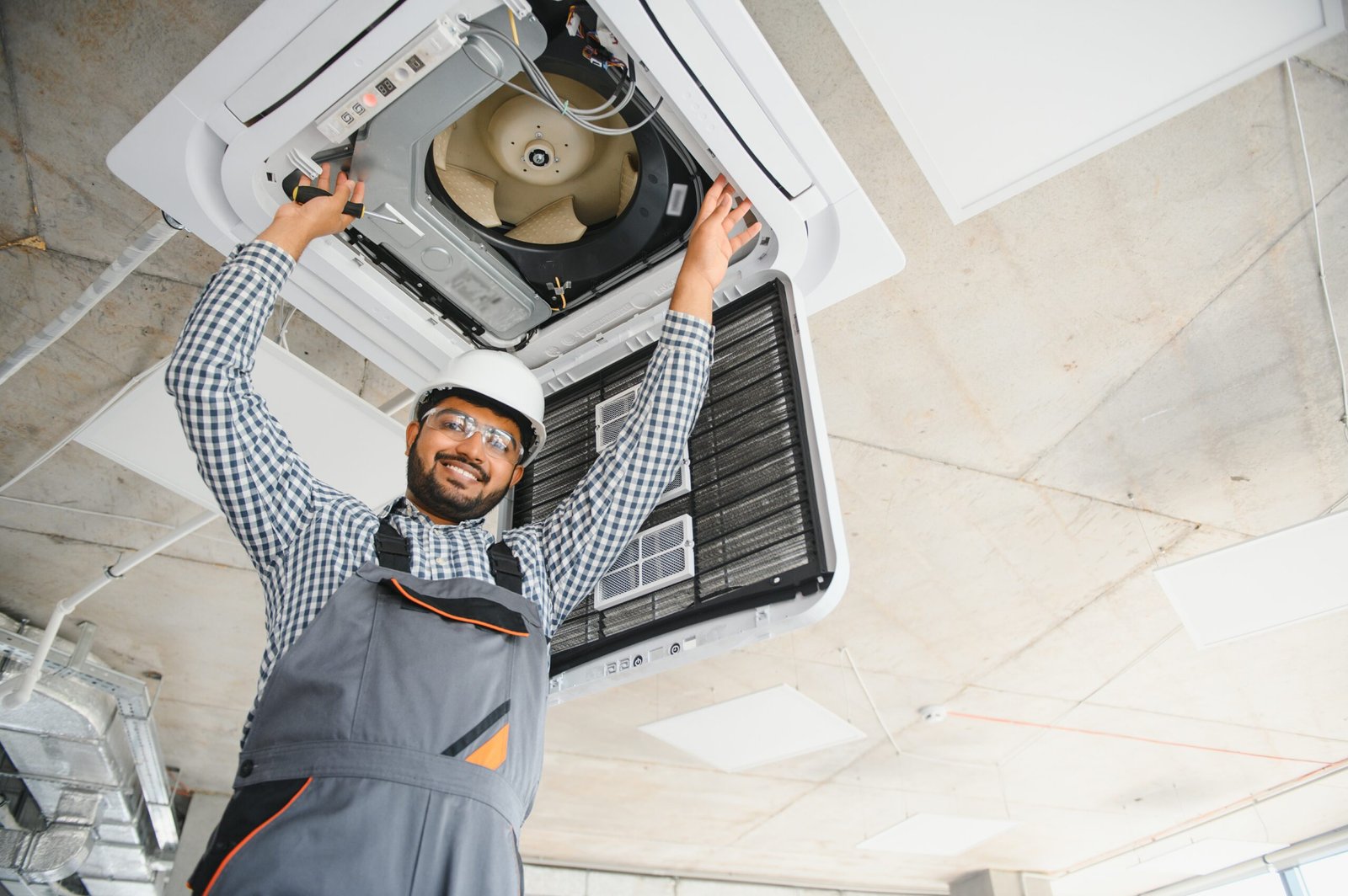
That’s why it’s worth asking about qualifications before allowing anyone to work on your system. A reputable company should employ technicians who are licensed, insured, certified, and background-checked, giving homeowners greater confidence that the people entering their property are properly qualified and accountable.
Don’t Ignore Small HVAC Problems
Most major HVAC failures don’t arrive completely out of nowhere. There are often warning signs, although they’re easy to overlook when the system is still technically running.
Maybe the air conditioner takes longer to cool the house. Perhaps certain rooms feel warmer than others. You might hear a new buzzing, clicking, rattling, or grinding sound. An unexplained increase in your energy bill can be another clue.
None of these automatically means your system is about to fail. But they deserve attention.
Ignoring small issues because “it’s still working” can sometimes turn a relatively simple repair into a much more expensive one. HVAC equipment tends to be particularly inconvenient about choosing the worst possible moment to break down.
When You Need Help Right Away
Some HVAC problems simply can’t wait until tomorrow. A furnace that stops working during freezing weather can create uncomfortable and potentially unsafe conditions, particularly for households with young children, older adults, or vulnerable family members.
Likewise, losing air conditioning during extreme heat isn’t merely an inconvenience. Indoor temperatures can rise quickly, especially in poorly insulated homes.
That’s where emergency hvac services can be especially valuable. A dependable HVAC provider should be able to assess urgent problems, identify immediate safety concerns, and explain what needs to happen next. Sometimes the answer is a repair. In other cases, temporary measures or replacement may be more practical.
The important thing is getting a qualified professional involved rather than repeatedly restarting a malfunctioning system and hoping it’ll somehow sort itself out.
Good Maintenance Isn’t Just About Preventing Breakdowns
People often think about HVAC maintenance only when equipment starts acting strangely. By then, of course, you’re already behind.
Routine inspections give technicians an opportunity to look at components before they become serious problems. They can check airflow, electrical connections, filters, coils, moving parts, drainage, controls, and other system-specific components.
More importantly, regular maintenance can help keep an HVAC system operating closer to its intended performance. It may also reveal worn parts or developing problems while they’re still easier to address.
Homeowners have a role here too. Replacing or cleaning filters according to the manufacturer’s recommendations is a simple habit that shouldn’t be forgotten. A clogged filter can restrict airflow and make the system work harder than necessary.
Energy Bills Can Tell a Story
Your utility bill isn’t a perfect diagnostic tool, but sudden changes shouldn’t be dismissed.
If your heating or cooling habits haven’t changed and the weather is reasonably similar, a noticeable jump in energy consumption could point toward declining system efficiency. Dirty components, airflow restrictions, refrigerant issues, aging equipment, or control problems can all contribute to poor performance.
Before assuming the HVAC system is the culprit, though, consider other changes in the house. New appliances, insulation problems, open doors or windows, and thermostat settings can also affect consumption.
A good technician should investigate rather than automatically recommend replacement.
Repairs or Replacement?
This is one of the biggest questions homeowners face.
If a relatively young system has a straightforward mechanical problem, repair may be the obvious choice. On the other hand, an older system requiring frequent repairs may no longer make financial sense to keep alive.
The calculation should include more than the immediate repair price. Consider the system’s age, efficiency, repair history, remaining expected life, warranty coverage, and likely future maintenance costs.
There’s also comfort to consider. A system that technically works but leaves half the house uncomfortable isn’t necessarily doing a great job.
A trustworthy contractor should explain both options when appropriate instead of treating every service call as a sales opportunity.
Installation Quality Matters
Even the best HVAC equipment can perform poorly if it’s installed incorrectly.
Sizing is particularly important. An oversized air conditioner, for example, may cool a home quickly but cycle too frequently, potentially affecting humidity control and comfort. An undersized unit can struggle to keep up during demanding weather.
Ductwork, airflow, refrigerant levels, electrical connections, drainage, and thermostat placement can also influence performance.
That’s why choosing a contractor solely because they offer the lowest installation price can backfire. A cheaper upfront quote isn’t necessarily a cheaper solution over the life of the equipment.
Ask Questions Before Hiring
You don’t need to become an HVAC expert before choosing a contractor. A few sensible questions can reveal quite a bit.
Ask how long the company has been operating, what qualifications its technicians have, whether estimates are provided in writing, what warranties are included, and how emergency calls are handled.
You can also ask the technician to explain the problem in plain English. If someone can’t explain what they’re recommending and why, that’s worth thinking about.
Good professionals don’t mind questions. In fact, they usually expect them.
Comfort Is the Real Goal
At the end of the day, HVAC service isn’t really about furnaces, compressors, thermostats, or ductwork. Those are the tools. The real goal is a home that feels comfortable, safe, and dependable throughout the year.
Finding a qualified professional, paying attention to early warning signs, keeping equipment maintained, and making informed repair-or-replace decisions can save considerable frustration over time.
You don’t need to wait for a complete breakdown to take your HVAC system seriously. A little attention today can prevent a very uncomfortable tomorrow. And when you do need professional help, choosing someone who values quality work over quick fixes is usually money well spent.