There’s a point when water stops being something you simply use and starts becoming something you notice. Maybe the shower leaves a chalky film behind. Perhaps your coffee tastes a little different, or the kitchen faucet develops those stubborn mineral marks that seem to return no matter how often you clean them.
When that happens, it’s easy to jump straight into shopping for a filter or water softener. But buying equipment first and asking questions later can lead to wasted money, disappointing results, and a system that doesn’t quite fit your home.
A better approach is slower, although not necessarily complicated. Understand the water, identify the actual problem, choose equipment that matches the household, and have the installation handled properly. Those basic decisions can make a surprisingly big difference.
Start With the Problem, Not the Product
Water quality problems don’t all look the same. Hardness, sediment, iron, chlorine, odor, and dissolved contaminants each behave differently. A solution that works beautifully for one issue may do very little for another.
That’s why test-first answers are so valuable. A proper water analysis provides useful information before anyone starts recommending equipment. It can help identify what needs treatment and, just as importantly, what doesn’t.
Think of it like taking your car to a mechanic. If the engine is making a strange noise, you’d expect someone to inspect it before replacing half the parts. Water treatment deserves the same common-sense approach.
Testing can also establish a baseline. If water quality changes later, you’ll have something to compare against instead of relying on memory.
Every Home Has Different Water Demands
A treatment system isn’t operating in a vacuum. It has to keep up with the people and appliances using water every day.
A small household with one bathroom may have very different requirements from a busy family home with three bathrooms, a washing machine, dishwasher, outdoor taps, and several people showering around the same time.
Flow rate matters. Storage capacity can matter. Pressure matters. Even the location of the equipment can affect how practical the installation will be.
This is where right-sized installs become important. A system that’s too small may struggle during periods of high demand, while an oversized setup can cost more than necessary and take up valuable space. Bigger isn’t automatically better. Appropriate is better.
A good design considers actual usage rather than simply choosing equipment based on a generic house-size label.
Don’t Treat Every Water Problem the Same Way
One of the more common mistakes homeowners make is assuming that a single filter should solve everything.
It usually doesn’t work that way.
A sediment filter is designed for particles. A water softener addresses hardness. Carbon filtration can improve taste and reduce certain substances such as chlorine. Reverse osmosis is often used for more targeted drinking-water treatment, particularly where dissolved contaminants are a concern.
The technologies can sometimes work together, but they each have a job.
For example, if a home has significant sediment, placing appropriate prefiltration ahead of more sensitive equipment can help protect that equipment. If the main complaint is hard water and scale, adding an unrelated filter may not address the real frustration.
The simplest effective setup is often preferable to a complicated collection of equipment that nobody fully understands.
Installation Quality Is Part of Water Quality
Even excellent equipment can perform poorly if it is installed carelessly.
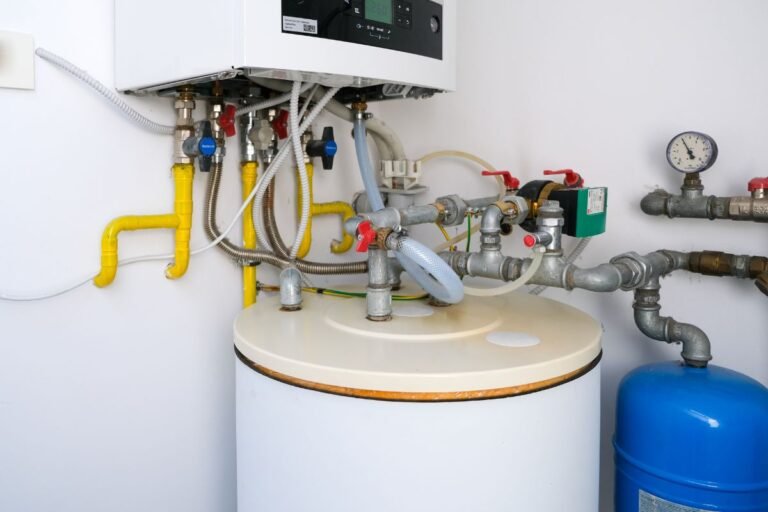
Connections need to be secure. Flow direction matters. Drain lines need to be correctly configured where applicable. Valves should remain accessible for maintenance, and equipment needs enough surrounding space for future filter changes or servicing.
That’s why clean workmanship isn’t merely about making the installation look tidy. Good workmanship can affect reliability, serviceability, and the overall performance of the system.
There’s also a practical side to this. A treatment system may sit in a garage, utility room, basement, or another tucked-away part of the property. It still shouldn’t become a mess of inaccessible pipes and awkward connections.
A neat installation makes future maintenance easier. That’s worth something.
Think About Maintenance Before Installation
A water treatment system isn’t a “set it and forget it” appliance.
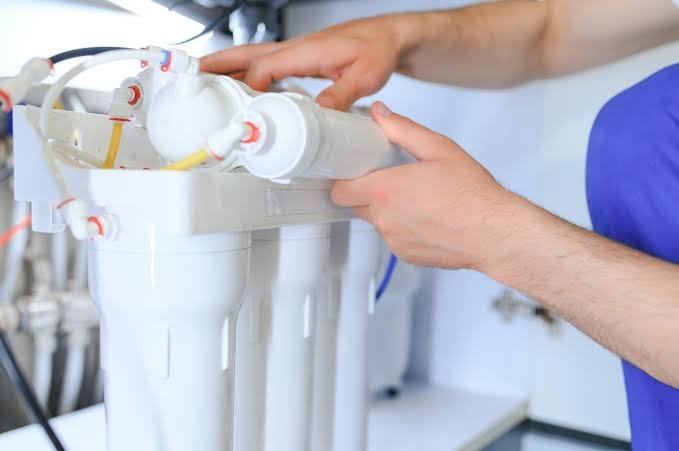
Filters need replacing. Some systems require periodic cleaning or sanitation. Softener components may need inspection. Membranes have service lives. Disinfection equipment may have components that need attention.
Before installation, ask what routine maintenance actually involves. How often do filters need changing? What happens when they reach capacity? Are replacement parts readily available? Can a homeowner perform basic maintenance, or does the system require professional service?
These aren’t glamorous questions, but they’re the questions that become important six months later.
A system that’s easy to maintain is much more likely to receive the attention it needs.
Pay Attention to Pressure
Water pressure is another detail that can be overlooked during planning.
Some treatment equipment creates resistance as water passes through filters or membranes. If the household already has marginal pressure, adding multiple stages without considering flow can make showers less enjoyable and faucets slower.
That’s why treatment should be designed as a complete system rather than a pile of individual products.
The goal is clean, treated water without creating a new household annoyance. Nobody wants to solve a water-quality problem and then wonder why the shower suddenly feels like it’s running through a straw.
Ask What Happens After Installation
Good service shouldn’t end when the equipment is connected.
Homeowners benefit from knowing how the system works, what the controls mean, when maintenance is due, and what signs might indicate a problem. A short explanation at installation can save plenty of confusion later.
It’s also useful to keep documentation for the equipment, including model information, filter specifications, and recommended service intervals. If someone else eventually services the system, that information can be extremely helpful.
And if the water was tested before installation, consider periodic retesting when appropriate. Conditions can change, especially with private wells or properties experiencing plumbing or source-water changes.
Avoid the Pressure to Overbuy
Water treatment can become expensive when every possible feature gets added “just in case.”
That’s not necessarily good planning.
If testing shows one clear issue, focus on solving that issue first. If additional treatment becomes necessary later, the system can sometimes be expanded or adjusted.
This approach is easier on the budget and often easier to maintain. It also keeps the purpose of each component clear.
A trustworthy professional should be able to explain why a particular piece of equipment is being recommended, not just tell you that you need it.
The Small Details Add Up
Good water treatment isn’t defined by one impressive piece of equipment. It’s the result of several sensible decisions working together.
Testing helps identify the problem. Proper sizing helps the system handle household demand. Appropriate treatment technology addresses the actual water conditions. Careful installation supports reliable operation. Regular maintenance keeps everything working as intended.
None of these ideas are particularly flashy. That’s almost the point.
When the job is done well, you shouldn’t spend your days thinking about the treatment system. You should simply notice that the water tastes better, scale is less troublesome, fixtures stay cleaner, and the whole setup quietly does what it was designed to do.
In the end, good water treatment comes down to listening to the water, understanding the home, and paying attention to the details. The right solution doesn’t have to be complicated. It just has to be thoughtfully chosen, properly installed, and looked after along the way.