A water softener isn’t the kind of home equipment most people think about very often. When it’s doing its job, you turn on the faucet, take a shower, wash the dishes, and get on with your day. It’s quietly working in the background.
But like any mechanical system, it needs a little attention now and then. Ignore it for too long and the signs can creep in: cloudy glassware, scale around faucets, rough-feeling laundry, or water that doesn’t seem quite as soft as it used to be.
The good news? Water softener care doesn’t have to become another exhausting household chore. A few sensible habits can keep the system running reliably and help prevent small issues from turning into expensive repairs.
Start by Keeping an Eye on the Salt Level
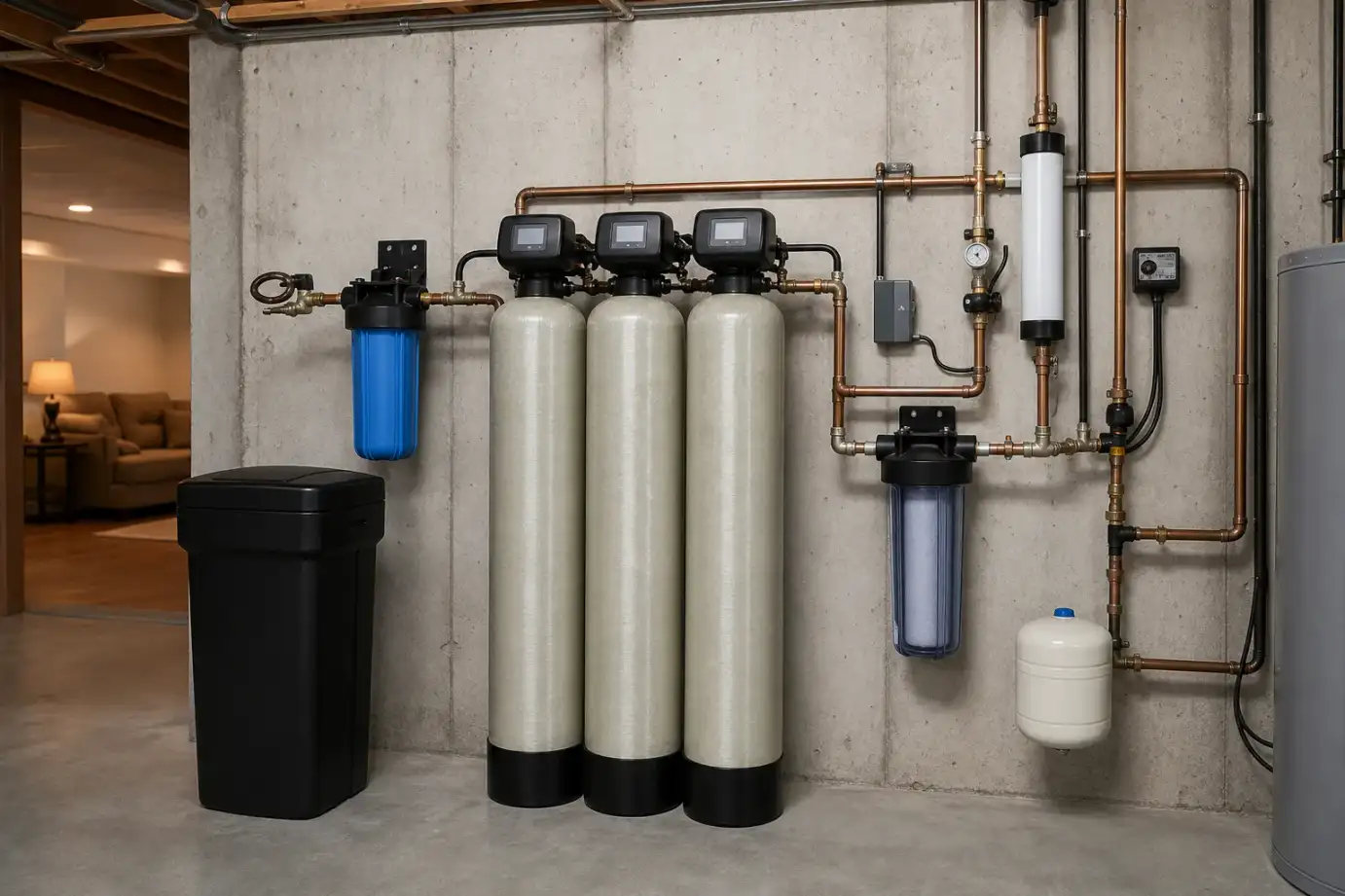
For traditional salt-based softeners, salt is part of the normal operating process. The system uses a resin bed to capture hardness minerals, and during regeneration, a salt solution helps restore the resin so it can continue working.
It’s easy to forget about the brine tank until you open the lid and realize it’s nearly empty.
Try making a habit of checking it periodically. You don’t need to obsess over the level every few days, but letting the tank remain empty for extended periods can interfere with regeneration and eventually affect water quality.
When choosing what to put in the tank, you’ll generally encounter salt or potassium options. Sodium chloride is common and usually economical, while potassium chloride can be an alternative for households with particular preferences or circumstances. Always follow the equipment manufacturer’s recommendations rather than assuming one option works for every system.
Don’t Fill the Tank Just Because You Can
There’s a common misconception that a brine tank should always be packed with salt. That’s not necessarily true.
The appropriate level depends on the softener design, salt type, water consumption, and programmed regeneration settings. Overfilling can make it harder to see what’s happening inside the tank and may contribute to bridging or other problems.
A salt bridge, for example, happens when the salt forms a hard layer that prevents the system from properly drawing the brine solution. You might look into the tank and think there’s plenty of salt, while the system is actually running short of usable brine.
If you suspect a bridge, don’t attack it aggressively with a sharp object. Follow the manufacturer’s instructions or ask a qualified technician for help.
Watch for Changes in Water Quality
Your home often gives you clues before a treatment system completely fails.
If you’re suddenly seeing white deposits on shower doors or faucets, your softener may not be removing hardness as effectively as before. Laundry might feel different. Soap may not rinse the same way. Even the taste of water can sometimes seem noticeably different.
These changes don’t automatically mean the softener is broken. The issue could involve settings, salt supply, resin condition, water chemistry, or another part of the plumbing system.
That’s why paying attention to gradual changes is useful. You know what your household water normally feels and looks like. If something changes, it’s worth investigating rather than simply getting used to it.
Check the Settings After Changes in Household Use
Water softeners are generally programmed around expected water consumption and hardness levels. But households change.
Maybe your family has grown. Maybe someone moved out. Perhaps you’ve started working from home and are using more water during the day. A new appliance could change consumption too.
If your water usage has changed substantially, the system settings may need to be reviewed. An outdated regeneration schedule can cause unnecessary salt and water consumption, while an undersized setting may leave the household with less effective softening.
This is one reason professional evaluation can be helpful. The system should match how your home actually uses water today, not how it used water several years ago.
Routine Maintenance Is Easy to Put Off
Nobody wakes up excited to inspect a control valve or clean a brine tank. That’s understandable.
Still, routine maintenance support can make a meaningful difference in the long-term performance of water treatment equipment. Depending on the system, maintenance may include inspecting the brine tank, checking connections, cleaning components, verifying settings, and examining the regeneration process.
The exact schedule varies. Manufacturer instructions should always take priority, because different equipment has different maintenance requirements.
A small maintenance task today can prevent a much bigger headache later. It’s the same principle as changing the oil in a car. You don’t do it because the engine is already failing; you do it because you want to avoid that situation.
Keep the Area Around the Equipment Clean
The space around a water softener can become surprisingly messy. Bags of salt, dust, storage boxes, cleaning products—before long, the equipment can be squeezed into a corner.
Try to keep the area accessible.
You want to be able to inspect the tank, see the plumbing connections, check for leaks, and reach the controls without moving half the garage or utility room. A clean area also makes it easier to spot small problems such as moisture or dripping fittings.
It’s a little thing, but accessibility matters when equipment needs attention quickly.
Know When a Professional Should Take Over
Some maintenance jobs are perfectly reasonable for homeowners. Others are better left to someone who works with water treatment equipment regularly.
If the system isn’t regenerating properly, you’re seeing persistent hardness, the unit is leaking, or you’re unsure about programming, professional assistance can save time and frustration.
Experienced local service technicians can inspect the system, identify worn components, check the settings, and determine whether a repair or replacement makes sense. They can also help explain what happened instead of simply fixing the immediate symptom.
That’s valuable because understanding the problem can help prevent it from happening again.
Don’t Forget the Water Itself
Equipment maintenance is important, but water chemistry can change too.
If your home relies on well water, for example, mineral levels and other characteristics may shift over time. Even municipal water supplies can experience changes in source water or treatment conditions.
Periodic water testing can help confirm whether the softener is still appropriate for the water entering your home. If hardness has changed significantly, the system may need to be adjusted.
And if testing reveals another issue—such as iron, manganese, sediment, or an unusual contaminant—the softener may not be the right tool to handle it. Water treatment works best when every piece of equipment has a clear job.
A Little Attention Goes a Long Way
A water softener doesn’t need constant attention. It simply needs consistent attention.
Keep an eye on salt levels, avoid ignoring changes in water quality, keep the equipment accessible, follow the manufacturer’s maintenance instructions, and get professional help when something doesn’t seem right.
Those habits aren’t particularly glamorous. They are practical, though—and practical is exactly what you want from household equipment.
When properly maintained, a water softener can quietly do its job for years. You may never think about it while you’re taking a morning shower or filling a glass at the kitchen sink. And honestly, that’s a pretty good sign that everything is working exactly as it should.