Water is one of those things people rarely think about until something goes wrong. A strange taste in the morning coffee, cloudy glasses, dry skin after a shower, or white scale around the faucet can suddenly make water quality feel like a much bigger issue. Even when the water looks clear, changes in plumbing, household needs, or local water conditions may mean an older treatment setup is no longer doing its job properly.
Many homeowners install a water treatment solution and assume it will work perfectly for years without much attention. While quality equipment can last a long time, no system is truly maintenance-free. Filters become exhausted, components wear down, technology improves, and water problems can change over time. Knowing when to repair, replace, or upgrade your equipment can help you avoid unnecessary costs and protect the quality of water used throughout your home.
Recognizing the Signs of an Aging System
The first step is paying attention to changes. If your water suddenly develops an unusual taste or odor, it may indicate that a filter needs replacement or that the system is no longer reducing certain contaminants effectively. A noticeable drop in water pressure can also be a warning sign, especially when it happens at the tap connected to a filtration unit.
Other signs are less obvious. You might notice more soap scum in the bathroom, scale returning around fixtures, or laundry that feels rougher than usual. These changes may suggest that the equipment is not treating the water as effectively as it once did.
Sometimes, the problem is not the entire system. A clogged cartridge, damaged valve, low salt level, or faulty control head may be responsible. Before replacing everything, have the equipment inspected. A professional can often identify whether a simple repair will restore performance or whether the system has reached the end of its useful life.
Understanding the Purpose of Water Softener Systems
Hard water is one of the most common reasons homeowners consider treatment upgrades. It contains elevated levels of minerals such as calcium and magnesium. These minerals are not usually a serious health concern, but they can create persistent household problems, including scale buildup, dull laundry, dry-feeling skin, and reduced efficiency in water-using appliances.
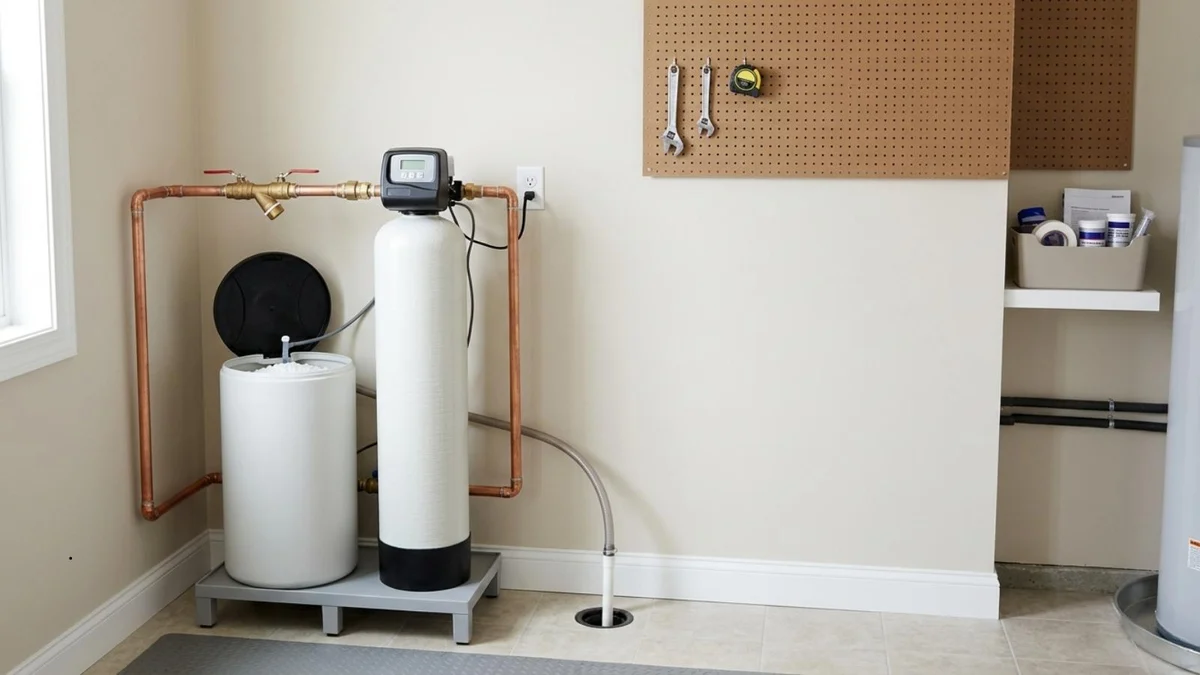
Modern water softener systems are designed to reduce hardness through an ion-exchange process. As hard water passes through the softener’s resin tank, calcium and magnesium are exchanged for sodium or potassium ions. The result is water that is less likely to form scale and generally works better with soaps and detergents.
An older softener may still function, but it could be using more salt or water during regeneration than newer models. It may also lack demand-based controls, which allow the system to regenerate according to actual household water usage instead of following a fixed schedule.
Upgrading can improve efficiency, but the right size matters. A system that is too small may regenerate frequently, while one that is too large may cost more than necessary. Water hardness, household size, daily consumption, and plumbing requirements should all be considered before making a decision.
Why Whole-Home Treatment Deserves Attention
A drinking-water filter at the kitchen sink can be useful, but it only treats water at one location. If your concerns involve chlorine odor during showers, sediment throughout the plumbing, or water quality at several taps, a broader solution may be worth considering.
Whole house water treatment is designed to address water quality throughout the property. Depending on the equipment selected, a whole-home system may reduce sediment, chlorine, certain chemicals, iron, sulfur odors, or other specific concerns. The exact capabilities depend on the technology and the water conditions.
For example, a sediment filter can help capture sand, dirt, and suspended particles. A carbon-based system may improve taste and odor while reducing chlorine. Specialized treatment may be needed for iron, hydrogen sulfide, or other contaminants. There is no universal whole-house unit that removes everything, so testing the water is an important starting point.
Whole-home treatment can also reduce the burden on smaller point-of-use filters. When the incoming water is cleaner before it reaches appliances and fixtures, homeowners may see fewer deposits, less odor, and improved overall water comfort. Still, installation space, maintenance, flow rate, and ongoing operating costs should be reviewed carefully.
Repair, Replace, or Upgrade?
One of the most common homeowner questions is whether an aging system should be repaired or replaced. There is no single answer, but a few factors can make the decision easier.
Repair may make sense when the equipment is relatively new, the issue is isolated, and replacement parts are still available. A worn valve or damaged fitting does not necessarily mean the entire system has failed.
Replacement becomes more practical when the tank, control head, or major internal components are deteriorating. If the system requires repeated repairs, produces inconsistent results, or no longer meets your household’s water needs, continuing to spend money on it may not be sensible.
An upgrade is slightly different from a basic replacement. It may involve adding a new treatment stage, improving efficiency, increasing capacity, or combining technologies. For example, a homeowner might replace an old softener while adding carbon filtration or a dedicated drinking-water unit.
The goal should not be to buy the most complicated equipment available. It should be to solve the actual problem with a system that is manageable over the long term.
The Benefits of a Water Treatment System Trade-In or Upgrade
Replacing older equipment can feel expensive, especially when the existing system still operates. That is why some homeowners look for a water treatment system trade-in/upgrade opportunity. Depending on the provider, these programs may offer credits, discounts, or incentives for replacing outdated equipment with a newer model.
The financial benefit is only one part of the decision. Newer systems may include more efficient regeneration cycles, improved monitoring, better leak protection, easier filter changes, and more accurate controls. Some models are designed to use less salt or water, which can reduce operating expenses over time.
Before accepting an upgrade offer, ask for the complete cost rather than focusing only on the advertised discount. Find out whether installation, disposal, taxes, replacement filters, salt, and future service are included. It is also wise to compare the proposed equipment’s capacity and performance with your actual water needs.
A trade-in can be useful, but it should still be treated like any other purchase. Understand what you are receiving and why it is appropriate for your home.
Testing Should Guide the Upgrade
Water treatment decisions are much easier when they are based on reliable information. A water test can identify hardness levels, pH, iron, manganese, chlorine, sediment, bacteria, and other potential concerns, depending on the type of testing performed.
Testing is particularly important if you use well water, have recently moved into a new property, or have noticed a sudden change in water quality. It can prevent you from buying equipment that treats the wrong problem.
For example, a softener will not solve every odor issue, and a carbon filter may not address hard-water scale. Matching the equipment to the water chemistry is what makes a treatment system effective.
A Smarter Approach to Better Water
Upgrading home water treatment equipment is not simply about replacing something old with something new. It is about understanding what your water needs today and choosing equipment that can meet those needs reliably.
Pay attention to changes in taste, odor, pressure, and scale. Keep up with maintenance, schedule testing when necessary, and compare repair costs with the benefits of newer technology. Whether you need a more efficient softener, whole-home filtration, or a complete system upgrade, a thoughtful decision can improve daily comfort and reduce long-term frustration.
Good water treatment is rarely about chasing a quick fix. It is about making a practical investment in the water your household depends on every day.