A plumbing system tends to get noticed at the worst possible time. The shower turns cold halfway through the morning, a drain refuses to empty, or an unfamiliar puddle appears near the water heater. Suddenly, something that usually works quietly in the background becomes the most important thing in the house.
Good plumbing services are about more than fixing these frustrating moments. They also involve keeping essential systems efficient, identifying problems early, and making sure repairs or installations are completed properly. Whether you’re upgrading an aging home or dealing with an unexpected issue, understanding the basics can help you make practical decisions without feeling rushed.
Why Professional Plumbing Services Matter
Plumbing systems are interconnected. Water supply pipes bring fresh water into the property, drainage lines carry wastewater away, and fixtures allow people to use these systems safely. A problem in one area can sometimes affect another, which is why guessing at the cause may lead to repeated repairs.
Professional plumbers can assess water pressure, inspect pipe conditions, identify leaks, and determine whether a problem is isolated or part of a larger issue. They also understand local installation requirements and the safety considerations involved in working with water, gas-connected appliances, and underground lines.
That doesn’t mean every minor plumbing task requires a professional. But when a job involves hidden pipes, major equipment, or a risk of property damage, experienced help can prevent a small mistake from becoming a much more expensive one.
Installing a Water Heater That Fits Your Home
Hot water is essential for bathing, washing dishes, laundry, and many other daily routines. When a water heater is old or unreliable, replacing it can improve comfort and reduce the frustration of inconsistent temperatures.
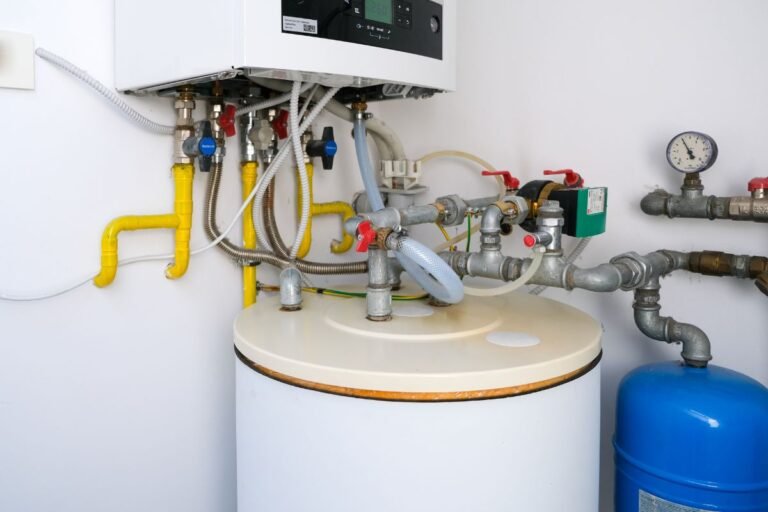
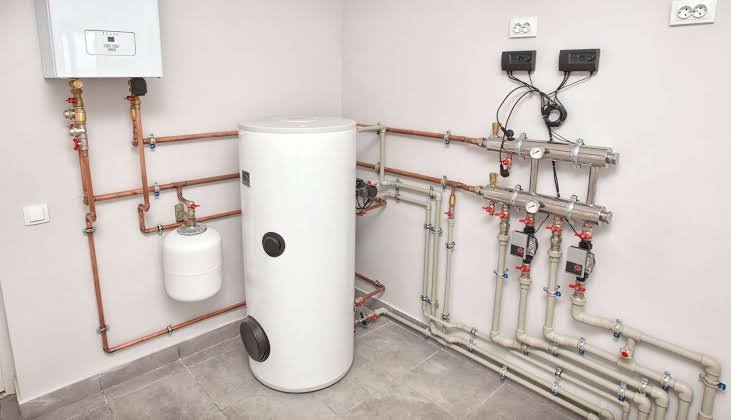
Professional water heater installations involve more than connecting a new appliance. The installer needs to consider the home’s hot water demand, available space, fuel or electrical requirements, ventilation where applicable, and local safety codes. Choosing a system that is too small may result in frequent hot water shortages, while an oversized unit could increase unnecessary energy use.
Homeowners may choose between traditional storage-tank models, tankless systems, heat pump water heaters, and other options. Each has different installation requirements, operating costs, and maintenance needs. A qualified plumber can explain these differences and help determine which system is suitable for the property.
It’s also worth asking about warranties, temperature settings, shut-off controls, and future maintenance. A good installation should leave the homeowner confident about how the system works—not confused about what to do if something goes wrong.
Understanding the Importance of Sewer Line Services
Sewer problems can be particularly unpleasant because they affect sanitation as well as convenience. Wastewater needs to leave the property efficiently, and when a sewer line becomes blocked, cracked, or damaged by tree roots, the effects may spread quickly.
Professional sewer line services may include inspections, cleaning, repairs, trenchless solutions, or complete replacement, depending on the condition of the line. A sewer camera inspection can help identify the location and nature of a problem without immediately resorting to excavation.
Homeowners should watch for recurring drain backups, foul odors, gurgling toilets, slow drainage across multiple fixtures, or unusually wet areas in the yard. These signs don’t always mean the sewer line itself has failed, but they should not be ignored when they continue.
The right solution depends on the actual cause. A minor blockage may only require cleaning, while a collapsed or severely damaged section could need repair or replacement. Getting an accurate diagnosis helps avoid paying for work that doesn’t address the real issue.
Maintenance Can Prevent Unnecessary Disruptions
Many plumbing emergencies begin as small problems that were overlooked. A dripping faucet, a loose connection, or a slow drain may not seem urgent, but repeated neglect can lead to wasted water, structural damage, or more complicated repairs.
Simple maintenance habits can make a difference. Check beneath sinks for moisture, inspect exposed pipes for corrosion, and pay attention to changes in water pressure. Avoid pouring grease, oil, or harsh unsuitable materials down drains. If your water heater requires periodic flushing or inspection, follow the manufacturer’s recommendations or ask a professional for guidance.
It’s also helpful to know where the main water shut-off valve is located. In the event of a burst pipe, shutting off the supply quickly may limit damage while you wait for assistance. That small bit of preparation can save a surprising amount of trouble.
What to Look for in a Plumbing Company
Choosing a plumbing company is not just about finding someone available. It’s about finding a service provider who can perform the work safely, communicate clearly, and stand behind the job.
Look for a company with appropriate licensing and insurance, relevant experience, and a clear process for estimates. Ask whether the quoted price includes materials, labor, permits, cleanup, and any necessary restoration work. If the project involves major equipment or underground lines, request an explanation of the expected timeline and possible complications.
Reviews can be useful, but they should be considered alongside direct communication. A professional plumber should be willing to answer questions without making the homeowner feel pressured. If the explanation is vague or the estimate seems suspiciously incomplete, it may be worth seeking another opinion.
Why Dependability Matters During Plumbing Work
Plumbing issues rarely happen at a convenient time. A leaking pipe on a weekend or a failed water heater before work can disrupt an entire household. That’s why dependable support matters just as much as technical ability.
A reliable plumbing company should respond within a reasonable timeframe, explain what can be done immediately, and distinguish temporary measures from permanent repairs. In emergencies, the first priority is usually to control the damage and restore essential function. A more detailed assessment can follow once the situation is stable.
Good communication also matters after the job is finished. Homeowners should receive information about warranties, maintenance, warning signs, and whom to contact if the same issue returns. Professional service shouldn’t end the moment the tools are packed away.
Balancing Cost, Quality, and Long-Term Value
Price is naturally an important consideration, but the cheapest option is not always the most economical over time. Low-quality materials, rushed installations, or incomplete repairs can create additional costs later.
Instead of comparing estimates by price alone, consider what each company is offering. Are they using suitable materials? Is the work covered by a warranty? Are they addressing the root cause or simply treating the visible symptom? Will the installation meet current requirements?
A slightly higher upfront investment may be worthwhile when it provides better reliability, safer operation, and fewer recurring problems. The goal is to choose work that makes sense for the home—not simply work that looks affordable on paper.
A Plumbing System You Can Rely On
A well-maintained plumbing system supports comfort, hygiene, and everyday convenience in ways that are easy to take for granted. From hot water and efficient drainage to safe supply lines, each part deserves attention when something seems unusual.
The smartest approach is usually a balanced one: maintain what you have, investigate warning signs early, and bring in qualified professionals for work that requires specialist knowledge. Whether you need a new water heater, sewer assistance, or general plumbing care, thoughtful decisions can help protect your home and make daily life a little less stressful.