Water usually doesn’t announce that something is wrong. There’s no warning light on the kitchen faucet and no little message saying, “Hey, you might want to check this.” Instead, problems tend to show up in ordinary ways—a strange taste in your morning coffee, a cloudy shower door, spots on freshly washed glasses, or a faucet that never seems to stay clean.
These signs don’t always point to a serious issue. Still, they’re worth noticing. Water quality can affect how your plumbing performs, how appliances age, and how enjoyable everyday tasks like drinking, bathing, and cooking actually feel.
The trick is learning what common symptoms might mean without jumping to conclusions. Once you understand the basics, it becomes much easier to decide whether you need testing, filtration, treatment, or simply a little routine maintenance.
When the Water Tastes or Smells Different
Taste is often the first thing homeowners notice. Water that suddenly tastes like a swimming pool can be unpleasant, even if the water otherwise looks perfectly clear.
A noticeable chlorine taste and odor can occur in treated municipal water, particularly when disinfectant levels or water conditions change. Temperature also plays a role. Cold water tends to make certain tastes less noticeable, while water that has been sitting in pipes may taste different from freshly drawn water.
If the taste is persistent or has changed suddenly, don’t simply assume it’s something you’ll have to live with. Start by checking whether the issue occurs at every faucet. If it only happens at one fixture, the plumbing or faucet itself could be part of the explanation.
Sediment Can Be More Than an Eyesore
Small particles in water can sometimes be visible, especially after plumbing work or changes in water conditions. You may notice grit in a faucet aerator, particles collecting in a filter, or cloudy water that eventually settles.
Sediment can come from various sources, including groundwater conditions, disturbed plumbing, or aging infrastructure. Larger particles can clog screens and filters, while smaller particles may affect certain treatment equipment.
A sediment filter can help in appropriate situations, particularly when particle removal is the main goal. But the correct filter depends on the size and amount of material involved.
If sediment keeps returning after filtration, that’s a reason to investigate the source rather than continually replacing filters.
Hard Water Leaves a Familiar Trail
If you’ve ever wiped a shower door and watched white spots reappear almost immediately, you may already be familiar with hard water.
The main culprits are hard water minerals, particularly calcium and magnesium. These naturally occurring minerals can leave scale on fixtures, glass, faucets, and water-using appliances.
Hard water isn’t necessarily a sign that the water is unsafe. Its biggest impact is often practical. Cleaning becomes more difficult, soap may behave differently, and scale can gradually accumulate inside equipment.
A suitable water softening or conditioning approach can help, but the right choice depends on the actual hardness level and what you want the treatment to accomplish.
Don’t Confuse Appearance With Safety
Clear water looks reassuring, but appearance alone isn’t a reliable measure of water quality.
Likewise, cloudy water isn’t automatically dangerous. Sometimes it is caused by tiny air bubbles that disappear after the water sits for a short time.
This is why water testing can be useful when there’s a persistent concern. Testing can reveal characteristics that aren’t visible, including hardness, pH, iron, and other factors depending on the type of analysis performed.
The goal isn’t to test for every possible thing just because you can. It’s to gather enough information to make a sensible decision.
Pay Attention to Where the Problem Happens
Location can provide useful clues.
If water tastes strange only at the kitchen sink, the issue may be isolated to that faucet or a point-of-use filter. If every fixture has the same odor, the source is more likely to be farther upstream.
Hot and cold water can also behave differently. An odor that appears only when hot water is running may warrant looking at the water heater rather than immediately blaming the incoming supply.
These distinctions are simple, but they can prevent unnecessary equipment purchases.
Filters Aren’t All the Same
“Water filter” is a broad phrase. Different filters are designed for different purposes.
Sediment filters capture particles. Carbon filters are commonly used for taste and odor improvement and can address certain chemicals. Other treatment technologies are designed for dissolved minerals or specific contaminants.
This matters because choosing a filter based on the word “filter” alone isn’t enough.
Look at what the product is actually certified or designed to reduce. If a concern has been identified through testing, choose equipment that specifically addresses it.
A filter that does a great job with one issue may do practically nothing for another.
Your Plumbing Plays a Role Too
Sometimes the water gets blamed for problems that originate inside the house.
Older pipes can affect taste, color, and particle levels. Corrosion can create staining or metallic flavors. Faucets and aerators can collect debris that changes the way water looks when it first comes out.
If only one fixture is affected, inspect that area before assuming you need a whole-house treatment system.
It’s a surprisingly common mistake to solve a plumbing problem with water-treatment equipment.
Don’t Forget About Appliances
Water quality can influence appliances that use water every day.
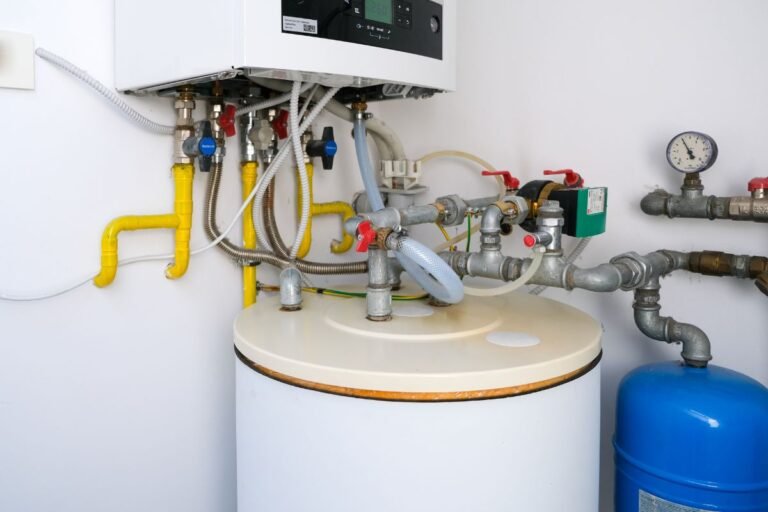
Dishwashers, washing machines, coffee makers, water heaters, and humidifiers can all be affected by mineral deposits or sediment, depending on the water conditions.
Hardness can contribute to scale. Sediment can restrict flow or clog components. Certain water characteristics can also create maintenance issues over time.
Protecting appliances isn’t necessarily about installing the most elaborate treatment system available. Sometimes a targeted solution is enough.
Maintenance Is Where Good Intentions Often Fall Apart
Buying treatment equipment is the easy part. Remembering to maintain it six months later is where things get interesting.
Filters have replacement schedules. Water softeners need appropriate servicing. Treatment tanks and valves may require periodic inspection.
When maintenance is ignored, performance can gradually decline. You might notice a return of unpleasant taste, reduced flow, or mineral deposits and assume the equipment has failed.
Before replacing anything, check whether routine service is overdue.
Know When to Get Professional Help
Some water-quality issues are straightforward. Others aren’t.
If you have persistent odors, recurring sediment, unusual staining, sudden changes in water quality, or concerns about a private well, professional testing and evaluation can provide useful answers.
A qualified water-treatment professional should be able to explain what was found, why a particular treatment method is recommended, and what maintenance it will require.
Be cautious of anyone who recommends expensive equipment without first asking about your water source or symptoms.
Better Water Starts With Paying Attention
Water problems rarely arrive with a dramatic warning. More often, they’re little annoyances that gradually become impossible to ignore.
The good news is that those clues can be useful. Taste, odor, sediment, mineral deposits, pressure changes, and appliance buildup can all tell you something about what is happening in your home.
Don’t panic at the first sign of a problem, and don’t buy equipment blindly either. Observe where the issue occurs, test when appropriate, and choose treatment based on actual needs.
A little curiosity can go a long way. Once you understand your home’s water, the right solution becomes less mysterious—and everyday life at the faucet gets a whole lot easier.