A water treatment system usually isn’t the kind of household purchase people get excited about. Nobody stands in the kitchen thinking, “This is the appliance I’ve always dreamed of.” Yet once a system is installed, the little details can make a surprisingly big difference.
A valve that stops water automatically. A monitor that tells you when something needs attention. A filter that is easy to replace instead of requiring a frustrating afternoon with a toolbox.
These features aren’t necessarily the headline attractions, but they’re often what determine whether a water treatment system feels convenient or becomes another chore on the household to-do list.
When choosing a system, it’s worth looking beyond the main filtration technology and considering how the equipment will actually fit into everyday life.
Convenience Starts With Good System Design
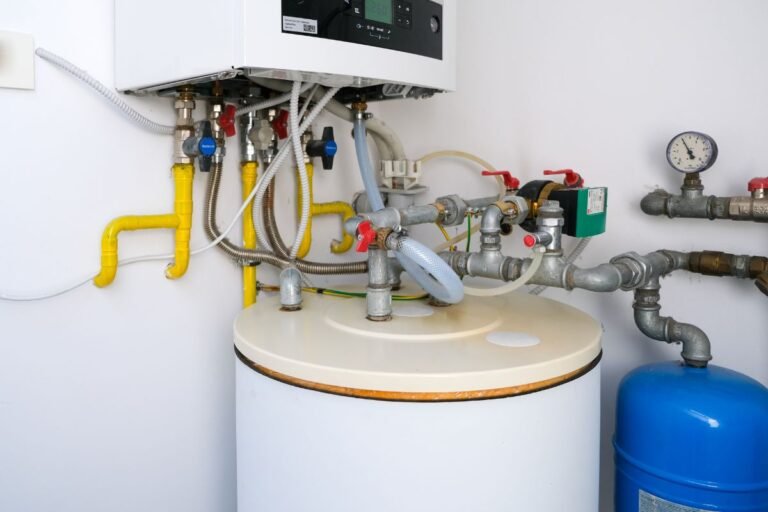
Water treatment systems vary widely in design. Some are fairly simple, while others include multiple treatment stages, storage tanks, sensors, electronic controls, and automatic functions.
More components don’t always mean better performance. What matters is whether the design makes sense for your water and your household.
Start with water testing and identify what you’re trying to improve. Once the treatment method is established, look at practical features that can make operation easier and reduce the chance of avoidable problems.
This is where small details start to matter.
Automatic Protection Can Prevent Unwanted Water Problems
Water and plumbing don’t always play nicely when something goes wrong. A loose connection, damaged tubing, or failed component can allow water to escape. Under a kitchen sink, even a relatively small leak can create a surprisingly large mess.
An automatic shut-off feature can help limit that risk by stopping water flow when certain conditions are detected. Depending on the system, the mechanism may respond to a leak sensor, pressure change, or other trigger.
It’s not a substitute for proper installation or regular inspection, but it can provide an additional layer of protection.
Think of it like a smoke detector. You hope it never needs to do its job, but you’re glad it’s there if something unexpected happens.
Electronic Monitoring Can Take Some Guesswork Away
Traditional filtration systems often require homeowners to remember maintenance schedules themselves. That’s manageable, until life gets busy.
An optional electronic monitor can provide useful information about system operation or maintenance needs, depending on the equipment. Some monitors may track filter life, water usage, system status, or other operating information.
The word “optional” is important here.
Not every household needs an electronic display telling them what their water system is doing. If your setup is simple and maintenance is easy to remember, a basic system may be perfectly adequate.
But for a more sophisticated system, monitoring can be genuinely helpful.
Filters Don’t Last Forever
This is one of the least glamorous parts of owning a filtration system, but it’s also one of the most important.
Filters collect or reduce the substances they’re designed to address. Eventually, they need to be changed.
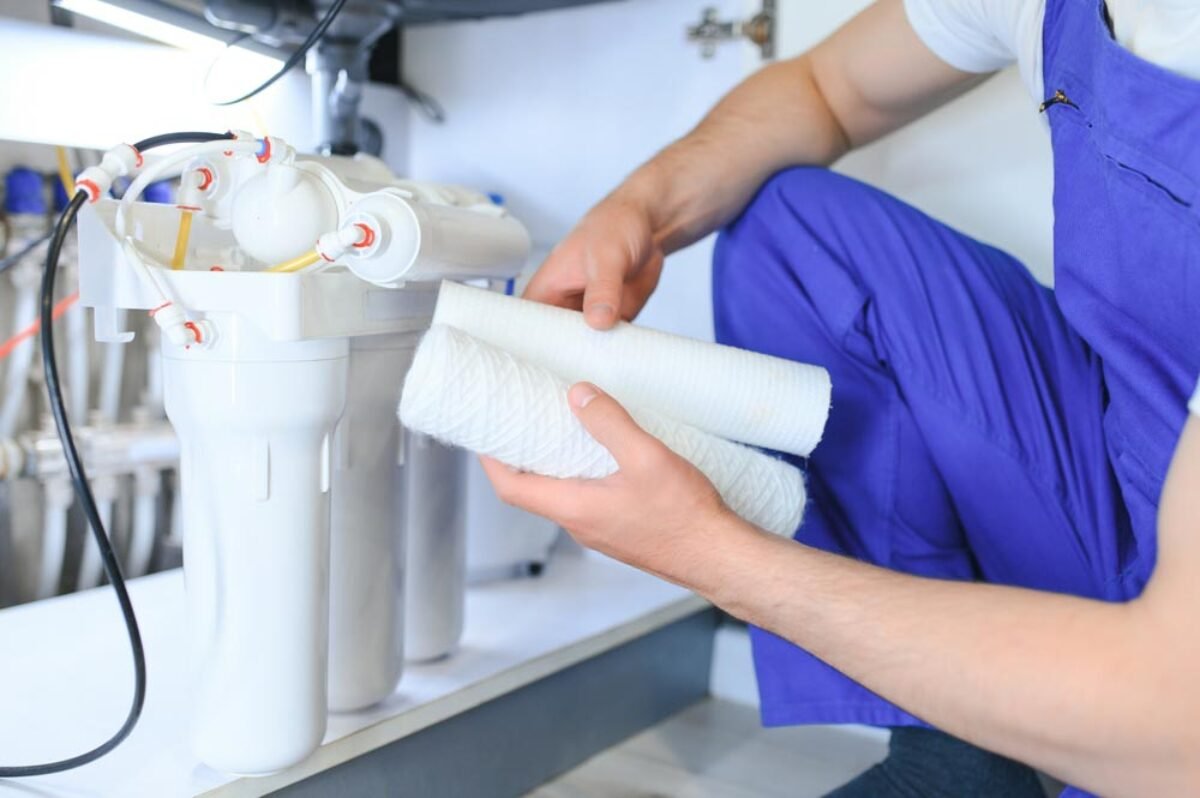
Regular filter replacements help keep the system performing as intended. The appropriate replacement schedule depends on the filter type, incoming water quality, household water usage, and manufacturer’s recommendations.
A filter used by a large family every day may need attention sooner than one used by a single person. Likewise, water with a high sediment load can shorten filter life.
Don’t wait until water tastes strange before checking the filter. By then, you may already be well past the ideal replacement interval.
Easy Access Matters More Than It Sounds
Imagine installing a system underneath your kitchen sink, only to discover that changing the filter requires moving cleaning supplies, pulling out drawers, and lying on the floor with one arm wedged behind the plumbing.
Not exactly the convenience you were promised.
Good installation should leave enough room to access filter housings, valves, tubing, and other components that require routine attention.
This is particularly important for under-sink systems. Cabinet space is valuable, and every homeowner seems to accumulate more things under the sink than they realize.
Plan the layout before installation rather than figuring it out afterward.
Look at the Cost of Ownership
The initial price of a water treatment system is only one part of the financial picture.
Consider replacement cartridges, membranes, salt if applicable, service visits, electricity, and other ongoing expenses. A system with inexpensive installation but costly replacement parts may not be the best long-term value.
On the other hand, paying more upfront for useful features can sometimes make sense if they improve reliability or reduce maintenance headaches.
The trick is separating useful features from marketing extras.
Ask what you’ll actually use.
Safety Features Don’t Replace Maintenance
Automatic protection and electronic monitoring can provide additional peace of mind, but they don’t eliminate the need for regular checks.
Inspect tubing and connections occasionally. Look for moisture beneath the system. Pay attention to unusual noises, changes in water pressure, or unexpected changes in taste or flow.
If a filter housing looks damaged or a connection appears loose, deal with it promptly.
A few minutes of attention can prevent a small issue from becoming an expensive repair.
Water Pressure Is Another Important Consideration
Filtration systems need appropriate water pressure to operate correctly. Some systems are more sensitive to pressure than others, particularly those using membrane-based treatment.
If pressure is too low, water production may slow down. If pressure is excessively high, certain components may experience unnecessary stress.
Before installation, have the home’s water pressure checked and make sure the treatment equipment is compatible with the conditions.
This is one of those details that often gets overlooked because it isn’t visible when you’re browsing product brochures.
Don’t Confuse Features With Performance
A system can have a digital display, automatic controls, several valves, and a fancy housing—and still be the wrong system for your water.
The core treatment technology remains the most important factor.
If testing shows that you need hardness reduction, choose technology designed for hardness. If you need sediment removal, use appropriate filtration. If drinking water requires more extensive treatment for specific dissolved substances, consider a technology suited to those needs.
Features should support the treatment process, not distract from it.
Think About the People Who Will Maintain It
The person who installs a water treatment system isn’t always the person who will replace its filters six months later.
Maybe you’ll be away. Maybe someone else in the household handles maintenance. Maybe you’ll sell the house eventually.
Simple controls, clear labeling, accessible components, and understandable maintenance instructions make a system easier for everyone to manage.
It’s a small consideration, but good design should make sense even to someone who didn’t install the equipment.
The Best Features Are the Ones You Actually Notice
You may never think about an automatic valve after installation. You might rarely look at an electronic monitor. Filter replacement may remain an ordinary maintenance task.
And that’s fine.
The purpose of these features isn’t to make your water system the center of attention. It’s to make ownership easier, safer, and more predictable.
When choosing a treatment system, start with water testing and the actual treatment need. Then consider installation quality, accessibility, maintenance requirements, protection features, and ongoing costs.
Don’t pay extra simply because a system has more buttons. Pay for features that solve real problems.
At the end of the day, good water treatment should quietly do its job. The best design is often the one you barely notice—until you realize how much easier your daily routine has become.