Water problems don’t always arrive with a dramatic warning. More often, they’re small things you notice while doing something completely unrelated. The coffee tastes a little different. A glass has an odd film on it. There’s sediment at the bottom of a pitcher. Maybe the water from the kitchen faucet smells slightly unusual, but the bathroom water seems fine.
Those details are easy to dismiss. After all, water still looks like water.
But they can be useful clues. Understanding your water source and knowing what you want to improve can help you choose treatment without turning the process into a confusing maze of filters, tanks and technical terms.
The right solution isn’t always the biggest system. Sometimes, a targeted approach makes much more sense.
Start by Asking What You Want to Fix
Before buying treatment equipment, think about where the problem occurs.
Is the issue only with drinking water? Does it affect every faucet? Is the problem related to taste and odor, mineral buildup, sediment or something identified through laboratory testing?
These questions matter because treatment can happen at different points in a home’s plumbing.
For example, if the main concern is drinking and cooking water, treating every gallon entering the home may be unnecessary. On the other hand, if hard water is creating scale throughout the house, a small kitchen filter won’t address the showers, laundry or water heater.
A water test can help clarify the situation before you spend money.
The Case for Point-of-Use Treatment
Many households don’t need every faucet treated to improve the water they drink.
Point of use systems are designed to treat water at a specific location, such as a kitchen faucet. This approach can be practical when the primary goal is better drinking and cooking water rather than whole-house treatment.
A point-of-use setup can also make sense for renters or homeowners who don’t want to modify the main plumbing system extensively. Depending on the technology selected, these systems can target different concerns, including taste, odor and certain dissolved substances.
The important part is matching the filter or treatment method to the water. A carbon filter, for example, serves a different purpose from reverse osmosis. Don’t assume one cartridge can do everything.
When Disinfection Is the Bigger Concern
Some water-quality concerns aren’t about taste or appearance at all. For private well owners especially, microbial contamination can be an important consideration.
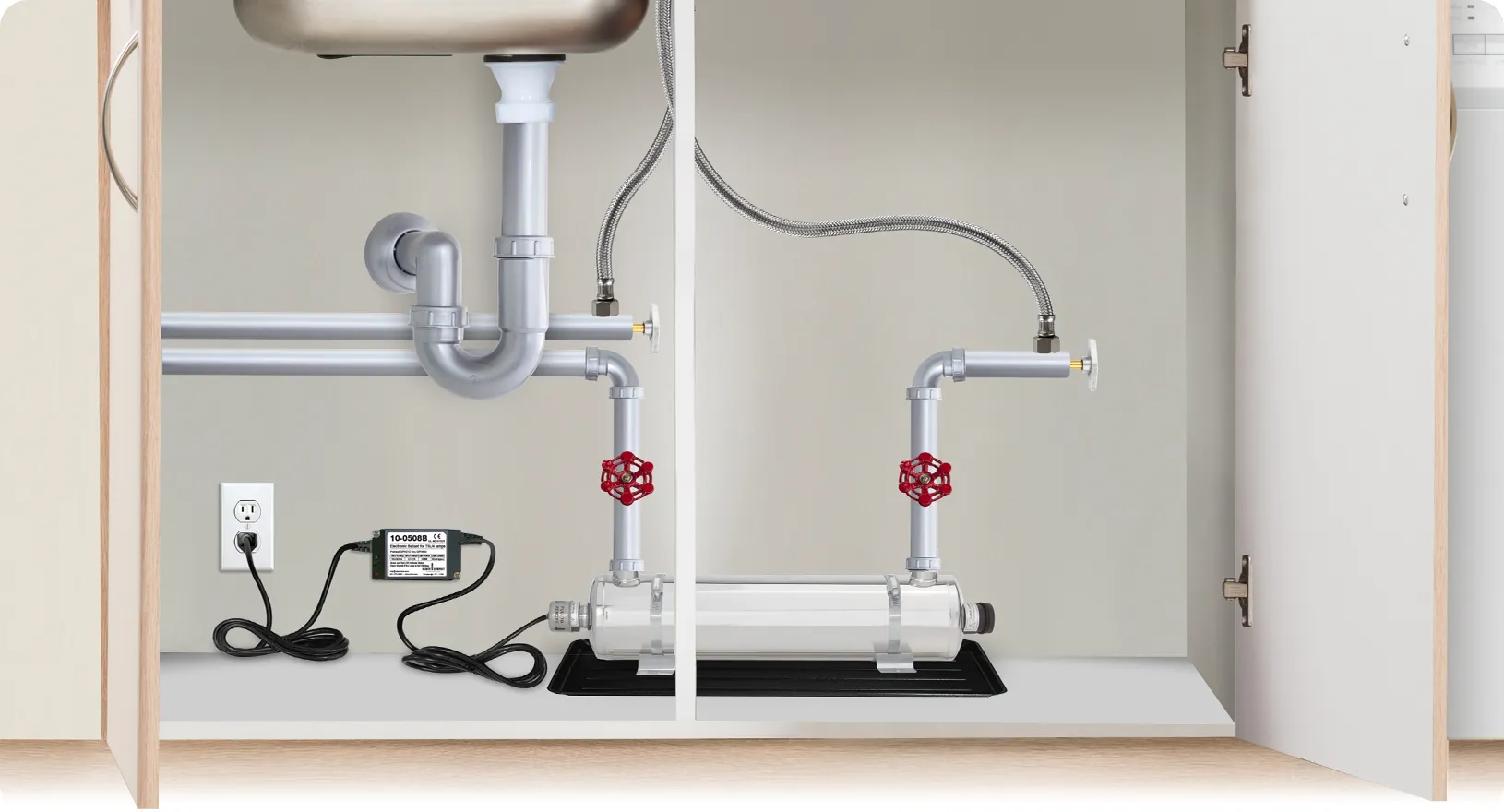
UV water disinfection uses ultraviolet light to inactivate certain microorganisms as water passes through a UV chamber. Unlike chemical disinfection, the process doesn’t add a disinfectant chemical to the water.
UV treatment can be particularly useful in certain private-well applications, but it has requirements. Water usually needs to be sufficiently clear for the UV light to work effectively, and the system needs a reliable power supply and proper maintenance.
That’s why UV shouldn’t simply be installed as a standalone answer to every well-water concern. Sediment, iron and other characteristics may need to be addressed first.
Why Well Owners Should Pay Attention
Private wells can provide excellent water, but they require ongoing attention. Unlike municipal systems, there’s no utility monitoring the water quality on your behalf.
Well water treatment should therefore begin with testing rather than assumptions. Well water can contain naturally occurring minerals, iron, manganese, sulfur compounds, sediment and, depending on local conditions, microbial contaminants.
The right treatment depends entirely on what’s found.
A household dealing with iron staining may need a very different system from one concerned about bacteria. A home with hard water may need softening, while another property may need sediment filtration before additional treatment can work properly.
Testing gives you a starting point.
Sediment Can Cause More Trouble Than It Looks
Cloudy water or visible particles are among the easiest problems to notice. Sediment can enter well systems from groundwater conditions or other sources, and it can become a nuisance in faucets, fixtures and appliances.
A sediment filter can capture particles before they travel farther into the plumbing system. In some cases, prefiltration is also important because it protects downstream treatment equipment.
For example, certain UV systems perform better when water has already been filtered to reduce turbidity. A little preparation upstream can make the entire treatment system work more effectively.
This is one reason water treatment is best viewed as a system rather than a collection of unrelated gadgets.
Taste and Odor Are Different Problems
Unpleasant taste or odor can make perfectly clear water difficult to enjoy. Sometimes the cause is relatively simple, such as naturally occurring compounds or disinfectants. Other times, an odor may indicate a more specific water-quality concern.
Carbon filtration is commonly used to improve taste and odor, but again, the cause matters.
If the smell resembles rotten eggs, for instance, sulfur-related compounds may be involved. If water has a metallic taste, iron or other minerals could be contributing.
Don’t let the symptom alone dictate the solution. Find out what’s causing it.
Maintenance Is Not Optional
The most sophisticated water treatment system in the world won’t perform properly forever without maintenance.
Filters eventually become loaded with material. UV lamps have a service life. Sediment can collect in housings. Components may need inspection or replacement.
Homeowners should know the maintenance schedule before purchasing a system. Ask how often filters need changing, whether replacement parts are readily available and what happens if the equipment stops working.
A treatment system that is inexpensive to install but difficult to maintain may not be a bargain in the long run.
Consider the Whole Plumbing System
It’s also worth thinking about where treatment equipment is installed.
A point-of-use filter may be perfect for drinking water, but it won’t prevent scale from reaching the water heater. A UV system may address microbial concerns, but it won’t remove hardness. A softener can manage calcium and magnesium, but it isn’t designed to solve every contamination issue.
Each technology has a job.
Sometimes several technologies work together. A well might use sediment filtration first, followed by another treatment stage and then UV disinfection. The exact configuration should be based on testing and professional assessment rather than a generic checklist.
Don’t Overlook Regular Testing
Water quality isn’t necessarily static. Well conditions can change, plumbing can deteriorate and environmental circumstances can affect groundwater.
Routine testing provides reassurance and can reveal changes before they become obvious through taste or appearance.
For households with private wells, keeping records of test results can also be helpful. You can compare results over time and identify trends rather than looking at each test as an isolated snapshot.
Better Treatment Starts With Better Questions
The biggest mistake homeowners can make is treating water based on a guess.
Instead, ask a few simple questions: Where does my water come from? What exactly concerns me? Is the issue happening throughout the house or only at one faucet? What does testing show? What maintenance will the proposed system require?
Those questions can narrow down the options quickly.
Good water treatment isn’t about owning the most equipment. It’s about choosing technology that has a clear purpose and fits the actual conditions of your home.
Whether you’re trying to improve drinking water, manage a private well or address a specific treatment concern, the process becomes much easier once you stop guessing and start with reliable information. Water may be ordinary, but the right approach to treating it can make everyday life noticeably better.