There’s a particular kind of panic that happens when you hear water running and realize nobody turned on a faucet.
Maybe it’s coming from behind the kitchen cabinets. Maybe there’s a wet spot spreading across the ceiling. Or perhaps the bathroom floor has suddenly become a shallow indoor swimming pool. Whatever the situation, plumbing problems have a way of turning an ordinary day upside down.
Most homeowners don’t think much about pipes when everything works. That’s understandable. Plumbing is supposed to stay in the background. But when something goes wrong, having the right person to call can make the difference between a manageable repair and a much bigger headache.
Good plumbing service isn’t only about fixing the immediate problem. It’s about accurate diagnosis, honest communication, sensible solutions, and work that holds up after the technician packs up the tools.
Not Every Problem Should Be Treated Like a Crisis
A dripping faucet and a burst pipe are obviously different, but the distinction isn’t always so clear.
A slow drain might be something you can schedule for later. A toilet that occasionally runs should probably be repaired soon, but it may not require immediate assistance. A major leak, sewage backup, or broken supply line is a different matter.
That’s where having emergency services available becomes valuable. You don’t need an emergency plumber every time something makes a strange noise, but when water is actively damaging your property, waiting until Monday morning may not be a great plan.
The smartest approach is to know what qualifies as urgent and what can reasonably wait. And, ideally, know where your main water shutoff is before an emergency happens.
Small Warning Signs Are Worth Noticing
Plumbing systems often give you clues before they fail completely.
A faucet may begin losing pressure. A drain might take longer to empty. You could notice a faint sewer smell or hear water moving inside the walls when nobody is using it.
These signs don’t automatically mean something terrible is happening. But they shouldn’t always be dismissed either.
A small leak caught early is generally easier to address than water damage discovered after weeks of hidden moisture. Likewise, a recurring clog may be easier to diagnose before the line becomes completely blocked.
Think of these symptoms as your plumbing system clearing its throat. It might be nothing. But you may want to listen.
Know What You’re Paying For
Plumbing repairs can feel stressful partly because homeowners don’t always know what a job should cost.
That’s why upfront pricing & no surprises can be such an important part of a professional service experience. Before work begins, you should have a reasonable understanding of the expected cost, what the estimate includes, and what circumstances could potentially change the final price.
Of course, some situations can’t be predicted perfectly. A pipe may look fine from the outside and reveal extensive corrosion once opened. A hidden leak may turn out to have caused additional damage.
That doesn’t mean surprise charges should be treated as normal.
Good communication is the key. If unexpected work becomes necessary, the homeowner should be informed before major additional costs are incurred whenever practical.
Technology Can Make Diagnosis More Accurate
Modern plumbing isn’t just about wrenches, pipe cutters, and a bucket under the sink.
Professional plumbers increasingly use cutting-edge technology to diagnose problems more accurately. Depending on the situation, this can include drain cameras, electronic leak detection equipment, thermal imaging, pressure testing tools, and specialized inspection devices.
The benefit isn’t technology for technology’s sake. It’s about finding the actual problem.
For example, if a sewer line is blocked, a camera inspection may reveal whether you’re dealing with roots, buildup, a damaged section, or another obstruction. That information can help determine the appropriate repair instead of relying on guesswork.
And less guesswork often means less unnecessary work.
A Drain That Keeps Clogging Is Trying to Tell You Something
It’s tempting to treat every clog as an isolated event.
You clear it, the water flows again, and everyone moves on.
But when the same drain repeatedly backs up, something else may be happening. Hair and soap buildup are common bathroom problems, while grease and food particles often cause trouble in kitchen lines. Deeper blockages can involve mineral deposits, roots, or damaged piping.
Repeatedly using drain chemicals may offer temporary relief, but it doesn’t necessarily solve the underlying issue.
A professional can determine whether the blockage is local or part of a larger drainage problem. That’s a much better starting point than guessing.
Water Pressure Can Reveal Hidden Problems
Most people only notice water pressure when it’s bad.
If the pressure suddenly drops throughout the house, possible causes include a valve issue, pressure regulator problem, supply restriction, damaged piping, or a leak.
If only one fixture is affected, the explanation may be much simpler.
High pressure shouldn’t be ignored either. Excessive pressure can place additional strain on plumbing fixtures and appliances, potentially shortening their useful life.
A sudden change is the important part. If your home’s water pressure has always been a certain way, that’s one thing. If it changes overnight, it’s worth finding out why.
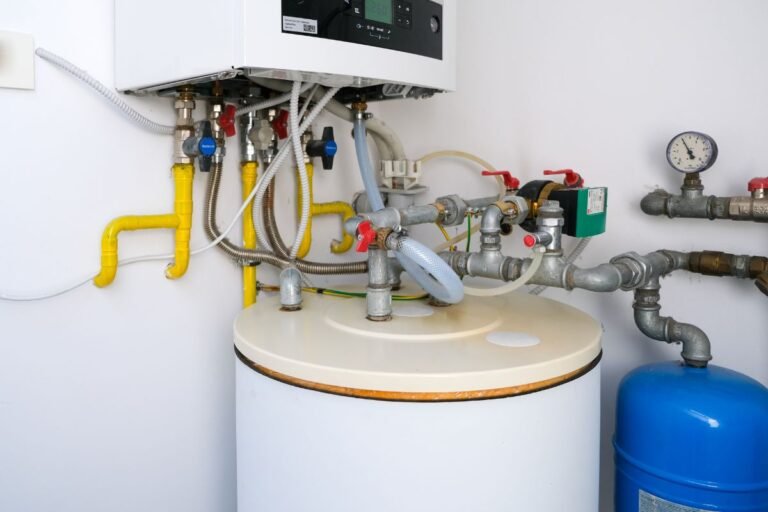
Your Water Heater Needs Attention Too
Hot water appliances tend to get forgotten because they’re usually tucked away in a garage, utility room, basement, or closet.
But a water heater works every day, often without much appreciation.
If you notice rusty-looking water, unusual noises, inconsistent temperatures, leaks, or a noticeable decline in hot water availability, an inspection may be worthwhile.
Regular maintenance can help identify problems before the unit fails completely. For older equipment, it can also help homeowners decide whether repair or replacement makes more financial sense.
A cold shower is annoying. A failed water heater with water damage is considerably less charming.
Respect Problems Involving Gas Lines
If your home uses natural gas for appliances or heating, gas-related plumbing work deserves particular caution.
Never attempt to improvise a repair simply because a fitting looks accessible. Gas systems require proper installation, testing, and compliance with applicable safety requirements.
If you smell gas, leave the area and follow local emergency procedures. Avoid creating sparks or using electrical switches near the suspected leak.
This is one category where “I’ll just take a quick look” can be a bad idea.
Maintenance Is Cheaper Than Constant Firefighting
Home maintenance isn’t exciting, but it can prevent plenty of expensive surprises.
Check visible pipes occasionally. Look beneath sinks. Keep grease out of kitchen drains. Don’t flush items that don’t belong in the toilet. Pay attention to unusual noises and smells.
Know where your shutoff valves are. Keep important plumbing information accessible. If your home has aging pipes or equipment, consider periodic professional inspections.
None of this takes much time.
And it’s certainly easier than dealing with a flooded room at 6 a.m.
The Best Plumbing Service Is Usually the Least Dramatic
When plumbing work is done well, it often feels almost uneventful.
The technician identifies the problem, explains the options, completes the repair, cleans up, and leaves you with a system that works the way it should.
That’s the goal.
Homeowners don’t need complicated solutions for every plumbing issue. They need accurate information and practical recommendations. Sometimes that means a simple repair. Sometimes it means replacing an aging component. Occasionally, the best answer is simply to monitor the situation.
The important thing is making that decision based on what is actually happening—not fear, guesswork, or pressure.
Plumbing will always be one of those behind-the-scenes systems we rarely appreciate until it stops cooperating. A little awareness, timely maintenance, and professional help when necessary can keep it that way.
Quiet. Reliable. And, ideally, completely out of your mind.