In a busy commercial building, water is easy to overlook because it is everywhere. Employees wash their hands, kitchens run dishwashers, housekeeping cleans bathrooms, and equipment quietly uses water throughout the day. As long as the taps work and nothing is leaking, water rarely gets much attention.
That can change when mineral buildup starts showing up.
Cloudy glassware, stained fixtures, clogged equipment, reduced water flow, and frequent service calls can all become expensive annoyances. In larger facilities, hard water can also affect equipment that depends on consistent water quality.
The answer isn’t simply to install the largest softener available and hope for the best. Commercial water treatment works better when the solution is matched to the property’s actual water conditions, usage patterns, and operational demands.
Why Hard Water Matters in a Business
Hard water contains dissolved minerals, particularly calcium and magnesium. These minerals are naturally occurring and aren’t automatically a sign of contaminated water.
The problem is what they can leave behind.
When hard water is heated or allowed to evaporate, minerals can form deposits on surfaces and inside equipment. In a home, that might mean spots on a shower door. In a commercial property, the consequences can be considerably broader.
Restaurants, hotels, laundries, apartment buildings, healthcare facilities, and manufacturing operations may use substantial quantities of water every day. Even a relatively small efficiency problem can become significant when multiplied across thousands of gallons and hundreds of operating days.
Commercial Systems Need to Be Sized Carefully
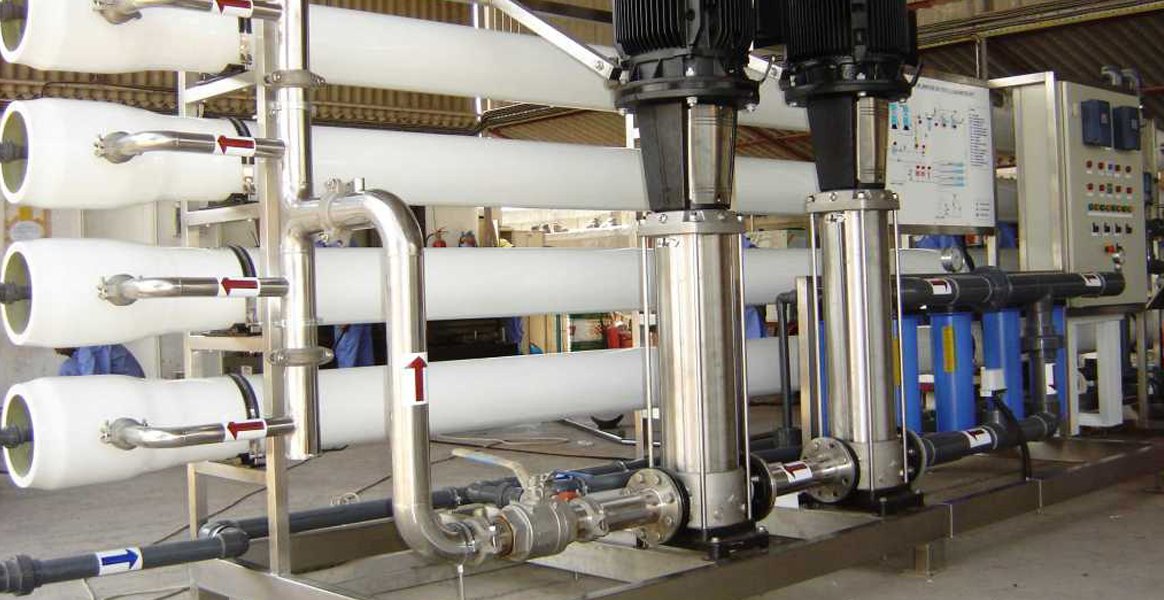
Residential and commercial water softeners aren’t simply different versions of the same product. Commercial systems need to account for peak demand, flow rates, water hardness, regeneration requirements, and the property’s operating schedule.
A business might have periods of very high water use followed by relatively quiet hours. A hotel, for example, may experience a sharp increase in demand during morning routines. A restaurant has its own peaks around food preparation and cleaning.
This is where commercial water softening solutions can provide a more appropriate approach. Proper system sizing can help ensure treated water is available when demand rises without unnecessarily wasting resources during low-use periods.
The goal is reliable performance, not simply maximum capacity.
Scale Can Become an Equipment Problem
Mineral deposits don’t always stay where you can see them.
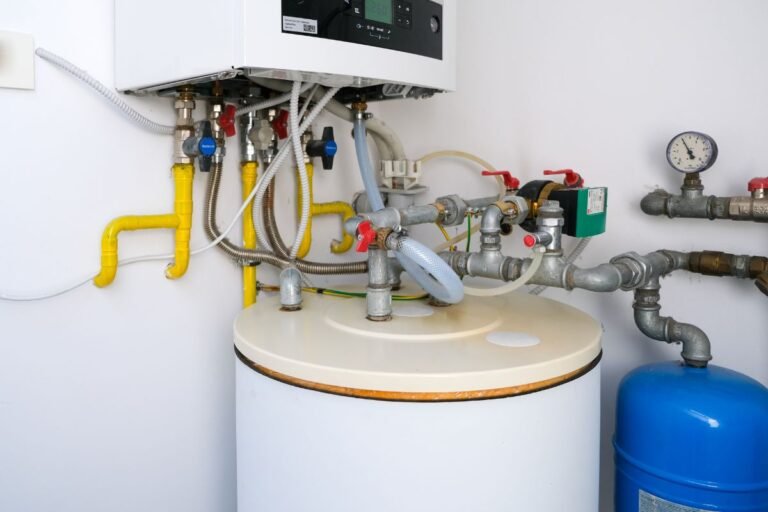
Over time, scale may develop inside pipes, valves, heat exchangers, water heaters, boilers, dishwashers, and other water-using equipment. Depending on the equipment and operating conditions, deposits can interfere with heat transfer, restrict flow, or contribute to maintenance issues.
A facility manager may notice the problem only after equipment performance starts changing.
For example, a commercial dishwasher that once completed cycles efficiently may begin taking longer to perform. A water heater may require more attention. A fixture may develop reduced flow.
These symptoms can have multiple causes, but hard water should be considered when mineral buildup is known to be present.
Water Quality and Equipment Life Are Connected
Commercial equipment is expensive. Replacing it earlier than expected can put pressure on a maintenance budget, especially when several pieces of equipment are involved.
Water treatment can’t prevent every failure, but controlling hardness can help reduce one source of stress on water-dependent equipment.
That makes treatment part of a broader asset-management strategy rather than just a water-quality upgrade.
A good facility manager should look at equipment age, service history, water conditions, manufacturer recommendations, and actual operating performance. If a piece of equipment repeatedly requires repairs, it may be time to ask whether water quality is contributing to the problem.
Don’t Wait Until Something Breaks
Preventative maintenance sounds sensible, but it can be surprisingly difficult to prioritize when everything else is demanding attention.
There’s always another task. Another service call. Another budget meeting.
Still, scheduled inspections can be much easier to manage than emergency repairs. A technician can check valves, controls, tanks, connections, and system settings before a minor issue becomes a major interruption.
If a component is showing signs of wear, planned equipment replacement may also make more sense than repeatedly paying for short-term repairs.
That decision isn’t always straightforward. If a system is near the end of its useful life and repair costs keep increasing, replacement may provide better long-term value. If it’s relatively new, repair could be the sensible choice.
The numbers matter.
Think About Operating Costs, Not Just Purchase Price
A common mistake is comparing water-treatment systems solely by their initial price.
The purchase price is only one part of the equation. Businesses should also consider installation, electricity, salt or other treatment materials, water consumption during regeneration, filter changes, routine service, and eventual replacement.
In other words, operating costs deserve attention from day one.
A slightly more expensive system may potentially be more economical if it uses resources efficiently and requires less frequent service. On the other hand, sophisticated equipment isn’t automatically more efficient.
Ask for realistic estimates based on the property’s expected usage rather than relying on generic claims.
Monitoring Can Help Identify Changes
Commercial water systems benefit from good records.
Track water consumption where practical. Record maintenance visits and recurring issues. Note when equipment settings change and when filters or treatment media are replaced.
This information can help reveal patterns.
If water use suddenly rises without a corresponding increase in business activity, there could be a leak or equipment issue. If regeneration becomes unusually frequent, system settings or water conditions may have changed.
You don’t need an elaborate monitoring room. Even straightforward data can be useful when reviewed consistently.
Testing Should Guide the Treatment Strategy
Before investing in commercial treatment equipment, test the water.
Hardness is only one characteristic worth considering. Depending on the property and water source, other factors may influence treatment requirements.
Testing helps establish a baseline and gives technicians better information for sizing and selecting equipment.
It also prevents a business from treating a problem it doesn’t actually have.
That sounds obvious, but water treatment can become unnecessarily complicated when equipment is selected from assumptions rather than evidence.
Consider the Business Schedule
One advantage of commercial treatment planning is that equipment can be selected around the way a business actually operates.
A facility that operates 24 hours a day has different requirements from an office that is mostly empty overnight. A hotel has different peak-demand patterns from a manufacturing facility.
Regeneration and maintenance schedules should be planned with those realities in mind whenever possible.
Nobody wants a critical system going through an inconvenient cycle during peak operations.
Good planning can reduce disruption and make maintenance easier for staff.
Choosing a Long-Term Partner Matters
Water treatment isn’t just about the equipment installed on day one.
Commercial customers need access to replacement parts, maintenance, technical support, and responsive service when something goes wrong. A treatment provider should understand the property’s requirements and be able to explain what ongoing service will involve.
Ask questions before signing an agreement.
How often will the system be inspected? What happens during an emergency? Which components are expected to wear out? What maintenance is included? How quickly can replacement parts be obtained?
Clear answers are a good sign.
Better Water Management Is Good Business Management
Hard water may seem like a minor facility issue until it begins affecting equipment, maintenance schedules, water use, and operating budgets. At that point, ignoring it can become more expensive than addressing it properly.
The smartest approach is fairly practical: test the water, understand demand, size equipment correctly, monitor performance, and maintain the system consistently.
Don’t choose treatment simply because another business uses it. Don’t focus only on the upfront price. And don’t wait for a major failure before looking at the condition of the system.
A well-planned commercial water-treatment strategy should quietly support the business rather than compete for attention. When the water system is reliable, equipment is properly maintained, and costs are understood, everyone benefits—including the people who never have to think about the water system at all.