Water has a way of becoming part of the background. You turn on the faucet, fill a glass, start the dishwasher, and hardly give it another thought. Then one morning you notice a strange taste, a cloudy mark on the shower glass, or mineral buildup around a faucet. Suddenly, water is very much on your mind.
For homeowners and businesses, those little signs can be worth investigating. Water quality affects more than what comes out of a drinking glass. It can influence plumbing fixtures, appliances, laundry, showers, water heaters, and the amount of cleaning needed around a property.
The tricky part is that there isn’t one universal answer to every water concern. Different properties have different sources, usage patterns, and water characteristics. A thoughtful approach begins with understanding those differences.
Local Water Conditions Matter
Geography has a surprisingly large influence on water quality. Underground formations, water sources, local infrastructure, and environmental conditions can all shape what’s present in a property’s supply.
In central florida, homeowners may encounter water characteristics that make filtration or other treatment options worth considering. Hardness, dissolved minerals, sediment, taste, odor, and other concerns can vary between properties, so assumptions aren’t particularly helpful.
Even two homes relatively close to one another may have different needs because of plumbing, water source, or the equipment already installed.
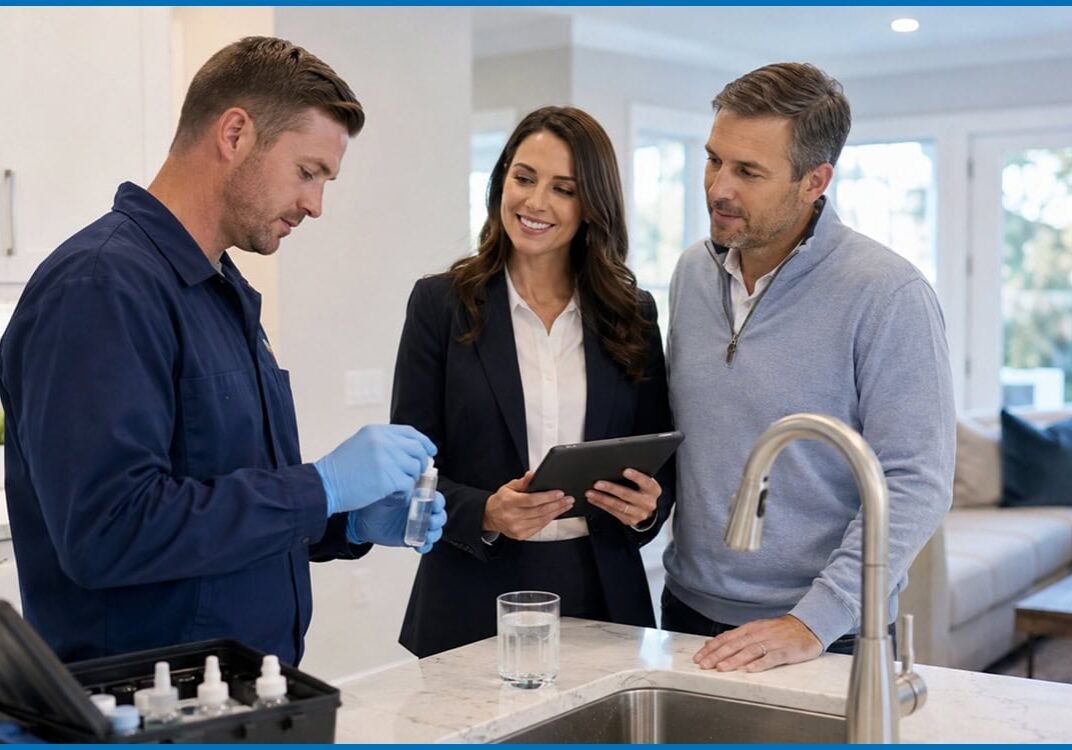
That’s why testing the water is such a useful starting point. It replaces guesswork with actual information.
Don’t Judge Water Only by Appearance
Clear water looks reassuring, but appearance doesn’t tell the whole story.
Some water-quality characteristics are obvious. Sediment or discoloration can be seen in a glass. Other substances are dissolved and invisible. You may notice their effects only after months of mineral deposits, changes in taste, or appliance performance.
A water analysis can help identify factors such as hardness, pH, dissolved solids, iron, and other characteristics relevant to treatment decisions.
The goal isn’t to make the water “perfect.” It’s to understand whether something needs attention and, if so, what kind.
Hard Water Can Become an Everyday Nuisance
Hard water rarely arrives with a dramatic warning.
Instead, it leaves clues. White deposits appear around faucets. Glassware develops spots. Soap seems harder to rinse away. The shower door becomes a cleaning project all by itself.
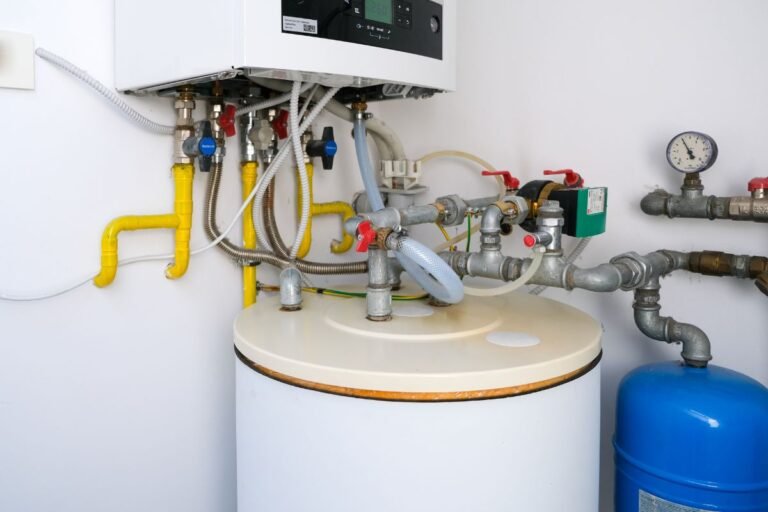
Inside the home, scale can accumulate in water heaters and appliances. Over time, that buildup may affect efficiency and maintenance needs.
When hardness is confirmed through testing, a water softener may be one possible approach. But proper sizing matters. A system should reflect water hardness and household demand rather than being selected simply because it has a large tank.
Filtration Isn’t a One-Size-Fits-All Solution
The word “filtration” sounds simple, but there are many different filtration technologies, each designed for particular purposes.
Sediment filters are useful for physical particles. Carbon filtration may help with certain tastes and odors. More specialized systems can address other water characteristics.
This is why water treatment should be selected according to the actual problem. Installing a filter without knowing what you’re trying to remove can lead to disappointment.
A good treatment plan may involve one technology or several stages working together. It depends on the water and the desired result.
Drinking Water May Need Different Treatment
The water used for drinking and cooking has different priorities from water used for outdoor irrigation or toilet flushing.
If the main concern is taste, odor, or a particular dissolved substance, a point-of-use system may make sense. Reverse osmosis is another option that can be considered for certain drinking-water goals.
There’s no need to treat every gallon in the same way if the concern is limited to drinking water.
That said, any drinking-water system still needs maintenance. Filters need replacement, membranes have service intervals, and components can eventually wear out. A system that isn’t maintained won’t perform as intended forever.
Think About Your Appliances
Water quality and appliances have a fairly close relationship.
Dishwashers, washing machines, coffee makers, water heaters, and ice makers all interact with the water supply. Hardness and scale can become especially frustrating when they accumulate inside equipment that’s difficult to clean.
You might not notice the buildup immediately. It’s often gradual — a little less efficiency here, a little more cleaning there.
Protecting equipment isn’t necessarily about installing the most advanced treatment technology available. It’s about identifying the water characteristic causing the problem and choosing a reasonable way to address it.
Water Pressure Can Tell You Something
A sudden change in water pressure shouldn’t be ignored.
Sometimes the cause is a clogged filter. Other times it may be a plumbing restriction, valve issue, leak, or problem with a component in the treatment system.
Replacing an entire treatment unit without investigating the cause can be an expensive mistake.
Regular inspection can help determine whether the issue is related to treatment equipment or something else in the plumbing. It’s a simple distinction, but an important one.
Installation Is More Important Than It Looks
People often spend plenty of time researching treatment equipment and then treat installation as an afterthought.
That’s unfortunate because installation can directly affect performance.
The system needs appropriate connections, adequate pressure, correct flow direction, proper drainage, and enough room for future service. Electrical requirements may also apply to certain equipment.
A qualified installer can make sure the system is configured for the property’s actual conditions and explain basic operation to the owner.
Knowing where the bypass valve is or how to shut the system off might seem like a minor detail — until you need that information on a Saturday evening.
Maintenance Protects Your Investment
No water treatment system is completely maintenance-free.
Filters eventually need replacement. Softening equipment requires attention. Reverse osmosis systems have components with limited service lives. Tanks, valves, and connections may also need inspection.
This is where long-term performance becomes less about the equipment’s brochure and more about how well the system is cared for.
Keep records of filter changes and service visits. Pay attention to unusual odors, pressure changes, or differences in taste. If water conditions change, another test may be worthwhile.
Routine attention is usually easier and less expensive than dealing with a neglected system after it fails.
Consider the Cost Beyond Installation
Price is obviously important, but the initial purchase shouldn’t be the only number you consider.
Replacement filters, salt, electricity, service, repairs, and component life all contribute to the true cost of ownership.
A lower-priced system may look attractive initially but become expensive if it requires frequent servicing. Meanwhile, an oversized system may cost more than necessary without delivering meaningful benefits.
The better question isn’t “What’s the cheapest system?” It’s “Which system makes the most sense for this property over time?”
The Best Solution Is the One That Fits
Water treatment doesn’t need to be mysterious or unnecessarily complicated.
Start by understanding the water. Identify the actual concern. Consider how the property uses water, then select technology that has a clear purpose. Make sure the system is installed properly and maintained according to its requirements.
For homeowners, the payoff may be cleaner fixtures, better-tasting water, and fewer scale-related headaches. For businesses, reliable water quality can also help protect equipment and keep everyday operations running smoothly.
There isn’t a perfect system for every property, and that’s actually good news. It means treatment can be tailored instead of forced into a one-size-fits-all formula.
In the end, good water treatment is often quiet. You notice fewer stains, fewer surprises, and fewer reasons to worry about what is coming out of the tap.
And when everything simply works the way it should, that’s usually a pretty good sign that you’ve made the right choice.