A new roof is one of those home improvements you hope you won’t have to think about very often. Once the work is finished, you want to look at the house, see a clean roofline, and get on with life. No leaks. No loose shingles. No worrying every time dark clouds roll in.
Getting to that point, however, takes more than choosing a material and signing an estimate. Roofing is a system, and the quality of the finished result depends on planning, installation, ventilation, drainage, weather conditions, and the people doing the work.
For homeowners, the challenge is knowing what actually matters. There are plenty of choices and plenty of opinions. A little practical knowledge can make the process much less confusing.
Start With the Condition of the Existing Roof
Before deciding what needs to be done, find out what’s actually happening with the current roof.
A few damaged shingles don’t necessarily mean replacement is required. On the other hand, repeated leaks, widespread deterioration, sagging areas, or aging materials may indicate a larger issue.
A professional evaluation can help separate minor problems from systemic ones. This is especially useful if you’re buying a home, preparing to sell one, or considering a major renovation.
Don’t be afraid to ask for photographs or an explanation of what the contractor has found. You should understand why a particular repair or replacement is being recommended.
The Contractor You Choose Matters
Roofing isn’t a project where the lowest price automatically represents the best deal. Poor installation can shorten the life of even high-quality materials.
A dependable roofing provider should be able to explain the scope of work, materials, expected timeline, warranties, cleanup process, and any potential additional costs. Appropriate licensing and insurance should also be verified according to local requirements.
Pay attention to communication, too. If a contractor is difficult to reach before the project begins, that’s worth considering.
You don’t need a salesperson who overwhelms you with technical jargon. You need someone who can explain the work clearly and answer straightforward questions without making the conversation uncomfortable.
Materials Should Match the Property
There isn’t one roofing material that’s perfect for every home.
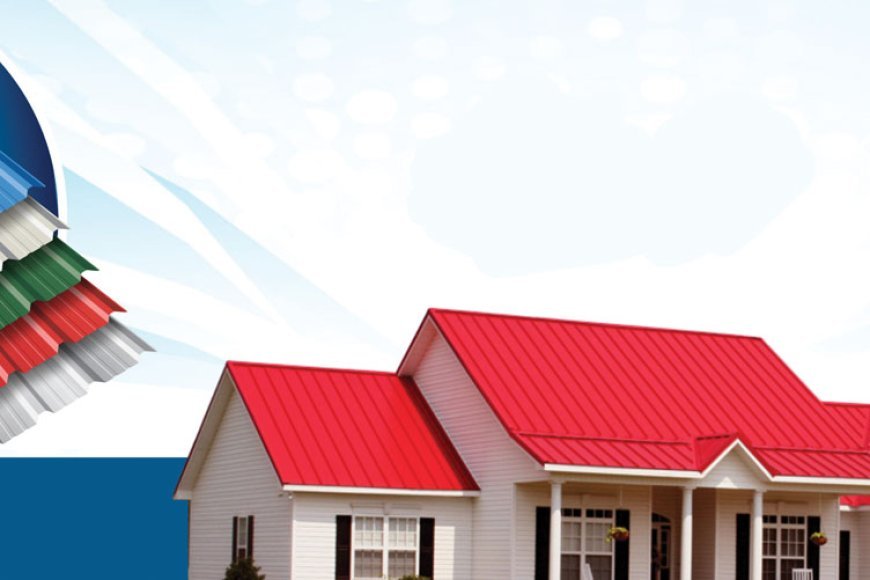
Asphalt shingles are widely used because they offer practical performance and a range of styles. Metal roofing can provide durability and a distinctive appearance. Other materials may make sense depending on architectural design, climate, budget, and local building requirements.
The important thing is to choose based on the property’s actual needs rather than simply following a trend.
Think about how much maintenance you’re willing to handle, how long you expect to stay in the home, and what weather conditions the roof will face. A material that performs beautifully in one environment may not be the best choice somewhere else.
Look at the Entire Roofing System
It’s easy to focus on the surface because that’s what you see. But shingles or panels are only one part of the roof.
Underlayment, flashing, decking, ventilation, gutters, and other components all play supporting roles. If one part is neglected, it can affect the performance of the entire system.
For example, new shingles won’t solve damaged decking underneath them. Poor flashing around a chimney can create leaks even when the surrounding shingles are in excellent condition.
This is why a durable roofing system is built through proper preparation and installation, not simply by purchasing expensive materials.
Ventilation Is Often Overlooked
Attic ventilation isn’t particularly glamorous, but it can be important for long-term roof performance.
An attic that holds too much heat or moisture may create conditions that affect roofing materials and indoor comfort. Proper ventilation should work alongside insulation to help regulate the attic environment.
During a roof replacement, ask whether the existing ventilation has been evaluated. If there are moisture stains, condensation, or unusually high attic temperatures, don’t ignore them.
Sometimes the roofing problem is connected to what’s happening underneath it.
Weather Can Expose Weaknesses
A roof may perform well for years and then face a severe test during one powerful storm. High winds, hail, heavy rain, and falling branches can cause damage quickly.
After a significant weather event, look for missing or displaced roofing materials, debris, damaged gutters, and other visible changes. Don’t climb onto the roof if conditions are unsafe.
Even when damage isn’t obvious, an inspection can be worthwhile. Hail impacts and lifted shingles aren’t always easy to spot from ground level.
Taking photographs of visible damage can also help with your records if you need to contact your insurance company.
Why Residential Projects Need Careful Planning
Every home has its own quirks. Roof pitch, additions, skylights, chimneys, dormers, ventilation, and previous repairs can all influence the work required.
That makes residential roofing projects more than a simple material replacement. The contractor needs to understand how the roof interacts with the rest of the structure.
Before work begins, discuss access to the property, protection of landscaping, disposal of old materials, working hours, and cleanup. These details may seem secondary, but they’re often the things homeowners notice most during construction.
A clear plan helps everyone know what to expect.
Don’t Ignore Flashing
Flashing deserves more attention than it usually gets. It helps protect vulnerable transitions around chimneys, vents, skylights, walls, and other roof penetrations.
When flashing becomes damaged, loose, or improperly sealed, water can enter areas that are difficult to see.
During an inspection or replacement, ask whether existing flashing will be reused or replaced. The answer may depend on its condition and the roofing system being installed.
It’s one of those details that isn’t very exciting when everything works — which is exactly how it should be.
Gutters Are Part of the Bigger Picture
Rainwater needs somewhere to go after it leaves the roof.
Blocked, damaged, or poorly positioned gutters can cause water to spill against walls, collect near the foundation, or back up beneath roof edges. That can create problems beyond the roof itself.
Keeping gutters clean and checking downspouts regularly is a simple form of preventive maintenance. If you’re replacing a roof, it’s also worth making sure the drainage system is functioning properly.
The roof and gutters should work together, not compete with each other.
Think About Long-Term Maintenance
Even the best roof doesn’t become maintenance-free after installation.
Keep an eye on it after severe weather. Remove leaves and debris where appropriate. Keep nearby trees trimmed if branches threaten the roof. Check the attic for signs of moisture.
Periodic professional inspections can also help identify developing issues.
The idea isn’t to obsess over your roof. It’s simply to catch small changes before they become expensive surprises.
Get Estimates That Actually Explain the Work
When comparing quotes, don’t look only at the final number.
One estimate may include replacement of damaged decking, upgraded flashing, ventilation improvements, and cleanup, while another may not. Two prices can therefore look dramatically different while covering very different amounts of work.
Ask for details in writing. Understand the materials, labor, warranties, payment schedule, and assumptions behind the estimate.
A clear quote gives you something meaningful to compare.
Good Roofing Is an Investment in Peace of Mind
The value of a well-installed roof isn’t just measured in shingles or dollars. It’s measured in the confidence that comes from knowing your home is protected.
You don’t need the fanciest materials or the biggest project. You need a solution suited to your property, installed correctly by people who take the details seriously.
Take time to inspect before deciding. Ask questions. Compare realistic estimates. Look at the whole roofing system rather than just its surface.
And when the work is complete, keep paying attention.
A good roof should eventually become something you barely notice again. That’s not a sign that it isn’t important. It’s the opposite. It means the work is doing exactly what it was meant to do — quietly protecting the place you call home, season after season.