Choosing water treatment equipment can feel a bit like choosing a car. There are plenty of options, lots of specifications, and more than a few sales terms that sound impressive until you stop and ask what they actually mean.
For homeowners, the real question is much simpler: what does the water in my house need?
Some properties mainly struggle with hardness. Others have sediment, chlorine, unpleasant odors, or several issues at once. And sometimes the problem is less about safety and more about everyday annoyances — cloudy shower glass, mineral spots on dishes, or appliances that seem to need cleaning all the time.
The right system should solve the problems that actually exist, not every possible problem listed in a brochure.
Start by Understanding Your Water
Before choosing equipment, find out what’s in your water.
Hardness is one of the most common concerns. Calcium and magnesium can accumulate on fixtures and inside water-using appliances, particularly when the water is heated. But hardness is only one piece of the puzzle.
Sediment, iron, chlorine, sulfur compounds, pH and other characteristics can also influence how water looks, smells, tastes and behaves around the home.
A water test can provide useful information and prevent guesswork. This is especially important for homes using private wells, where water characteristics can vary over time.
Testing doesn’t automatically mean you’ll need an elaborate treatment system. In fact, it may tell you that a simpler solution is enough.
When a Salt-Based Softener Makes Sense
If testing confirms that hardness is a significant concern, a traditional salt based water softener may be worth considering.
These systems generally use ion exchange to reduce calcium and magnesium in the water. The treated water then travels through the home’s plumbing, helping reduce the minerals that contribute to scale on fixtures and inside appliances.
For households with noticeably hard water, the difference can be practical rather than dramatic. Faucets may stay cleaner for longer, soap can behave differently, and water-using appliances may experience less mineral exposure.
But proper sizing is essential. A system should be selected according to water hardness, household size and actual water consumption rather than simply choosing the largest model available.
Filtration Solves a Different Problem
Softening and filtration are often mentioned together, but they’re not interchangeable.
A filtration system can be designed to address particular water characteristics, such as sediment, chlorine, taste or odor. The type of filter media determines what the system is capable of treating.
That’s why it’s important to know what you’re trying to remove or reduce before choosing a filter.
A household with hard water may need softening. Another home may have relatively soft water but still want filtration because of taste or sediment. Some properties need both approaches.
The best system isn’t the one with the longest list of features. It’s the one that matches the water.
What Whole-House Filtration Can Do
When a water-quality concern affects multiple fixtures, homeowners may consider whole house filtration.
Instead of filtering water at only one faucet, a whole-home system treats water for use throughout the property, depending on its design and installation point.
This can be useful for households that want to address specific water characteristics in showers, bathrooms, laundry areas and kitchens rather than relying on individual filters.
But once again, the filter must be selected for the actual concern. A sediment filter won’t necessarily address chlorine, and a carbon filter isn’t designed to remove every possible contaminant.
“Whole house” describes where the system works, not what it automatically removes.
Combining Technologies Can Sometimes Be Practical
There are homes where one treatment method simply isn’t enough.
For example, a property might have hard water along with sediment or taste concerns. Installing separate treatment stages can address those issues individually, provided the equipment is compatible and properly sized.
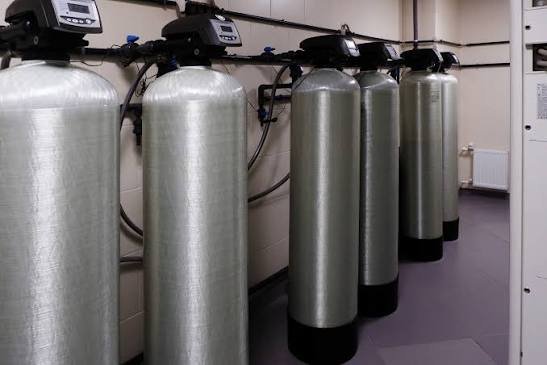
A consolidator salt based & filtration system is one approach that combines softening and filtration functions into a coordinated setup. The appeal is fairly straightforward: instead of managing unrelated equipment, homeowners may have a more integrated treatment arrangement.
Whether that approach is appropriate depends on the water analysis, available space, household demand and desired maintenance routine. Combination equipment isn’t automatically better, but it can be convenient when several treatment needs overlap.
Think About Water Pressure Before Installation
Water treatment equipment has to work with the home’s plumbing, not against it.
Every filter, valve and treatment component can affect flow to some degree. If the equipment isn’t correctly sized, homeowners may notice reduced pressure, especially when several fixtures are running simultaneously.
A professional evaluation should consider incoming pressure, pipe size, peak demand and the flow requirements of the treatment equipment.
This is particularly important for larger households. A system that works perfectly for two people might feel inadequate in a busy home where showers, washing machines and dishwashers frequently operate at the same time.
Maintenance Is Part of the System
Water treatment doesn’t end when installation is complete.
Filters have to be replaced. Softening systems require salt and periodic attention. Combination systems may have several maintenance points that need to be monitored.
Before buying equipment, ask what routine maintenance involves and how often it should be performed. Find out whether the provider offers service and whether replacement parts are readily available.
A system that looks inexpensive on installation day can become frustrating if maintenance is complicated or expensive.
Don’t Ignore the Cost of Ownership
The purchase price is only one part of the financial picture.
Consider installation, electricity, salt, replacement filters, service visits and eventual component replacement. A slightly more expensive system may be a better value if it’s efficient, reliable and straightforward to maintain.
On the other hand, paying for treatment you don’t need doesn’t make sense either.
This is another reason water testing matters. You don’t want to pay for technology simply because someone tells you that every home needs it.
Pay Attention to What Changes After Installation
Once a treatment system is installed, give yourself time to notice the practical differences.
Are mineral spots less noticeable? Does the water taste different? Are fixtures easier to clean? Does the water heater require less frequent attention?
Don’t expect every change to happen overnight. Some existing deposits will remain until they’re cleaned, and appliances that already have scale may still need maintenance.
The purpose of treatment is to manage the incoming water going forward.
The Best System Is the One You Can Live With
There’s no universal winner in water treatment.
One home may need a traditional softener. Another may benefit from filtration. A third may need a combination of technologies because its water presents several distinct challenges.
What matters most is understanding the water before choosing the equipment.
Test first. Define your goals. Consider household water usage, pressure, installation space and maintenance. Then choose a system that can realistically do the job.
Good water treatment should make life easier, not add another complicated project to the household.
When the system is properly selected and maintained, the benefits can be wonderfully ordinary: cleaner fixtures, fewer mineral deposits, better-performing appliances and water that simply behaves the way you expect it to.
That’s probably the best outcome of all. You install the right equipment, take care of it, and then stop thinking about it quite so much.