Water treatment equipment has a fairly thankless job. When everything is working properly, nobody thinks about it. The water simply tastes fine, fixtures stay cleaner, and appliances carry on doing what they’re supposed to do. It’s only when something changes that the equipment suddenly gets everyone’s attention.
That quiet reliability is actually the goal.
Whether you’re dealing with hard water, sediment, unpleasant taste, or another water concern, choosing the right equipment is only the beginning. Installation, usage, and regular care all play a role in how well a system performs. A good unit that’s poorly installed or ignored for years may not deliver the results you expected.
The smartest approach is fairly simple: understand what the equipment is designed to do, install it correctly, and give it the attention it needs over time.
Start With the Right Equipment
Before anything gets installed, identify the actual water problem.
This sounds obvious, but it’s easy to skip. Homeowners and businesses sometimes see mineral deposits and immediately assume they need a softener. Someone notices an odd taste and buys a generic filter. Another property has sediment problems but chooses equipment that wasn’t designed for that particular issue.
Water testing can help clarify the situation.
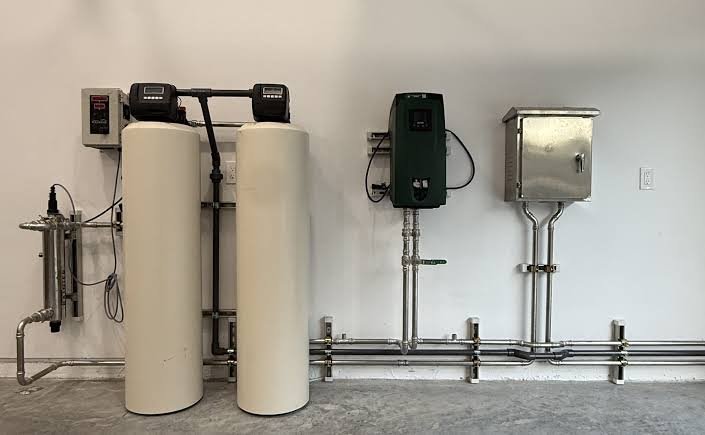
Different treatment technologies address different concerns. Softeners are generally used for hardness, while various filtration systems can target sediment, chlorine, taste, odor, or other substances. Reverse osmosis may be appropriate for specific drinking-water goals.
The best equipment isn’t necessarily the most advanced. It’s the equipment that solves the problem you actually have.
Installation Sets the Foundation
Once the right system has been selected, the next step is getting it installed properly.
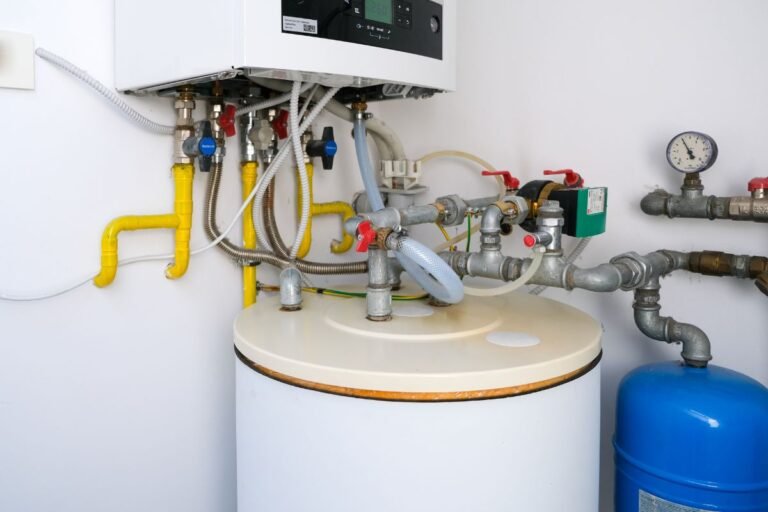
equipment installation involves more than connecting a few pipes. The system needs suitable placement, correct plumbing connections, appropriate drainage, and enough room for future service.
Water pressure matters, too. So does flow rate.
A treatment system that’s installed in an awkward location may become difficult to maintain later. If the filter housing is squeezed into a corner or the salt tank is impossible to reach, routine care becomes a chore. And when maintenance becomes a chore, people tend to put it off.
Good installation should consider the future, not just the moment the system is switched on.
Think About Access and Convenience
Treatment equipment should be easy enough to reach when something needs attention.
This is particularly important for larger properties and commercial spaces. Mechanical rooms can become crowded quickly, and equipment that’s difficult to access can turn a simple service visit into a much bigger project.
Before installation, think about where technicians will stand, where replacement parts will go, and how filters or other components will be removed.
It may seem like a small detail now. Years later, you’ll be glad someone thought about it.
When Equipment Rentals Make Sense
Not every water-treatment need calls for an immediate purchase.
In certain commercial or temporary situations, equipment rentals may provide flexibility. A business dealing with a short-term project, seasonal demand, facility renovation, or temporary water-treatment requirement may not want to invest in permanent equipment.
Rental arrangements can also be useful when a property needs additional treatment capacity for a limited period.
The important thing is to understand the agreement. Ask what’s included, who handles servicing, what happens if the equipment fails, and whether transportation or installation costs are separate.
Renting isn’t automatically cheaper than buying. Its value often comes from flexibility and reduced upfront commitment.
Capacity Should Match Real Water Use
Water-treatment systems need to keep up with demand.
A small household with modest water consumption has very different requirements from a large family, restaurant, apartment building, or commercial facility.
Peak demand matters just as much as average usage. If several showers are running while a washing machine and dishwasher are operating, the system needs to handle that flow without unnecessary restrictions.
Commercial properties face even greater variation. A restaurant may use substantial water during a few busy hours, while a hotel can experience large spikes in morning demand.
Proper sizing helps prevent these situations from becoming performance problems.
Pay Attention to Water Pressure
Water pressure is another detail that doesn’t always receive enough attention.
Certain treatment systems require a particular pressure range to operate effectively. Excessive pressure can also put stress on plumbing components, while insufficient pressure may affect flow and overall performance.
If you’ve noticed weak water flow after installing a treatment system, don’t simply assume the equipment is defective.
There could be a clogged filter, an incorrect valve setting, or another plumbing issue. Having the system inspected can help identify the actual cause before you start replacing expensive components.
Maintenance Is Part of the Deal
No matter how well a system is installed, it won’t remain effective without basic care.
maintenance can include replacing filters, checking connections, replenishing salt, cleaning components, inspecting valves, and verifying settings. The exact schedule depends on the type of equipment and the water conditions.
Think of it like changing the oil in a vehicle. You wouldn’t expect a car to run indefinitely without routine service, and water treatment equipment isn’t much different.
Regular care can also help spot problems early.
A technician may notice a worn component or unusual operating pattern before it becomes a complete failure.
Don’t Ignore Small Changes
Water often gives you warning signs.
Maybe the water begins tasting different. Scale starts returning around the faucets. Flow seems weaker. The system regenerates differently than usual. Filters appear to become clogged faster.
These changes shouldn’t automatically trigger a replacement.
Sometimes the solution is as simple as changing a filter or adjusting a setting. In other cases, the equipment may need professional inspection.
The important thing is not to ignore the change.
Small problems are usually easier and less expensive to address than major failures.
Keep a Simple Service Record
You don’t need a complicated spreadsheet to stay organized.
Write down when filters are changed, when salt is added, and when professional service is completed. For commercial properties, keep records of inspections and repairs as well.
This information can be surprisingly useful.
If water quality changes, you can look back and see when the last filter was replaced. If a system develops a recurring problem, service records can help a technician identify patterns.
It’s a small habit that can make future troubleshooting much easier.
Consider Operating Costs
The purchase price of treatment equipment doesn’t tell the whole story.
Think about replacement filters, salt, electricity, service calls, water usage, and replacement parts. Over several years, these costs can add up.
A system that seems inexpensive initially may become less attractive if its filters are expensive or difficult to source. Likewise, a more expensive unit may make sense if it is durable, efficient, and easy to maintain.
Ask about the total cost of ownership before making a decision.
It’s a much better way to compare systems than simply looking at the price tag.
Give Your Equipment a Fair Chance to Work
Water treatment equipment is an investment, but it doesn’t need to become a complicated project.
Choose technology based on actual water conditions. Make sure it’s sized appropriately. Have it installed correctly and keep access clear for future service. Follow the manufacturer’s care recommendations and pay attention when performance changes.
For temporary or changing needs, rentals may provide useful flexibility. For permanent systems, thoughtful installation and routine maintenance can help protect the investment for years.
Ultimately, good treatment equipment should fade into the background. You shouldn’t have to think about it every morning.
When the system is properly chosen, installed, and cared for, that’s exactly what happens. The water works. The equipment does its job. And you get on with yours.