Introduction
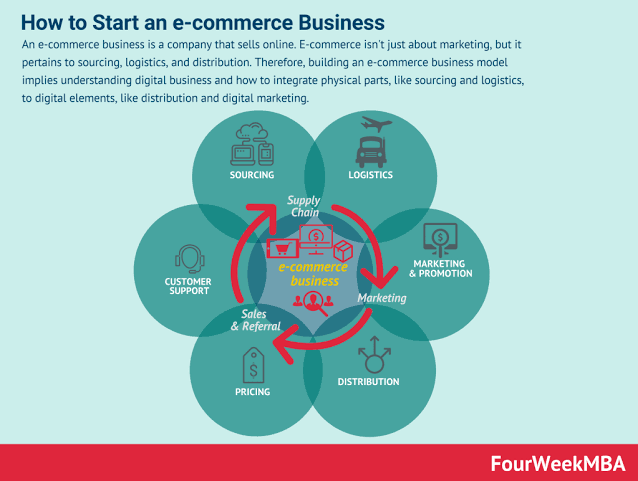
Online shopping isn’t slowing down, and starting your own store has never been more accessible — but that also means more noise to cut through when figuring out where to actually begin. Learning how to start an e-commerce business from scratch doesn’t require technical expertise or massive capital; it requires a clear sequence of decisions made in the right order. Here’s exactly how to get from idea to your first sale.
Choose a Product Category with Real Demand
Direct answer: The first step in learning how to start an e-commerce business is validating genuine demand for your product category before building anything — checking search volume, browsing competitor reviews for unmet needs, and confirming people are actively searching for and buying similar products online.
Passion alone doesn’t guarantee a viable product; demand data does.
Decide on Your Business Model
- Dropshipping — no inventory investment, lower margins, faster to start
- Private label/manufacturing — higher upfront cost, better margins and brand control
- Reselling existing brands — moderate investment, faster market entry
Your choice here significantly affects both your starting capital needs and how quickly you can launch.
Choose the Right Platform for Your Store
Direct answer: Choosing between platforms like Shopify, WooCommerce, or marketplace-only selling on Amazon and Flipkart depends primarily on how much control you want over branding versus how quickly you want access to existing customer traffic — marketplaces offer faster initial sales, while your own store builds long-term brand equity.
Many successful e-commerce businesses eventually use both — a marketplace presence for volume and their own store for margin and brand building.
Source Your Products Reliably
Rajesh started an e-commerce business selling handcrafted leather goods from Jaipur, initially struggling with inconsistent supplier quality until he built direct relationships with two dedicated local artisans rather than relying on a broader marketplace of suppliers. Reliable sourcing relationships often matter more long-term than finding the cheapest possible price.
Set Up Payments and Logistics
Direct answer: A functioning e-commerce business needs a reliable payment gateway (Razorpay, PayU, or similar), a clear shipping and returns policy, and a logistics partner or courier aggregator that can deliver consistently within reasonable timeframes — delays and unreliable delivery are among the top reasons for negative customer reviews.
Testing the full order-to-delivery experience yourself before launch catches friction points customers would otherwise encounter first.
Build Trust Through Your Store Design and Content
Clear product photography, honest descriptions, visible return policies, and genuine customer reviews all significantly impact conversion rates for a new e-commerce business with no existing brand reputation. Investing time here often matters more in the early months than ad spend alone. [link to related guide about best e-commerce platforms here]
Drive Your First Sales
Combine organic efforts (social media, SEO-optimized product descriptions) with a modest paid ad budget to generate initial traffic and sales data. Early customer feedback and behavior data are invaluable for refining your product listings and overall store experience.
Plan for Growth from Day One
Track key metrics — conversion rate, average order value, customer acquisition cost — from your very first sales, even if the numbers are small. Understanding these early gives you a much clearer picture of what to scale versus what needs adjustment as your e-commerce business grows.
FAQ
How much money do I need to start an e-commerce business from scratch? Dropshipping can start with under ₹10,000-15,000 for platform and basic marketing costs, while private label businesses typically require significantly more for initial inventory investment.
Which e-commerce platform is best for beginners? Shopify is widely considered beginner-friendly due to its ease of setup, though marketplaces like Amazon or Flipkart offer faster initial traffic without needing your own website at all.
Do I need GST registration to start an e-commerce business in India? Yes, GST registration is generally mandatory for e-commerce sellers in India regardless of turnover, since most marketplaces require a valid GSTIN before onboarding.
How long does it take to get the first sale in a new e-commerce business? This varies widely, but with focused marketing effort, most new stores see their first sales within 2-4 weeks of proper launch and promotion.
Is dropshipping still a viable way to start an e-commerce business in 2026? Yes, though margins have tightened due to increased competition, making it more important to find a specific niche and build genuine brand differentiation rather than competing purely on price.
Conclusion
Learning how to start an e-commerce business from scratch comes down to validating real demand, choosing the right model and platform for your resources, and building genuine trust through reliable delivery and honest presentation. Start small, track your numbers from day one, and let real customer data guide your next investments rather than assumptions about what should work.