A house has a funny way of showing you when it needs attention. A cabinet door starts hanging crooked. The bathroom faucet leaves a tiny puddle. A floorboard squeaks in exactly the same place every morning. None of these things feels urgent, so they tend to join that mental list called “I’ll get to it.”
Of course, that list can get pretty long.
The reality is that most home problems don’t begin as major disasters. They start small, then slowly become harder to ignore. Regular inspections and timely repairs can keep everyday wear from turning into expensive damage. You don’t need to treat your home like a museum, either. A little wear is normal. What matters is noticing when something has changed.
Walls Tell You More Than You Think
Drywall takes plenty of punishment. Furniture gets bumped into it, picture frames leave holes, children turn corners into obstacle courses, and moving day can leave behind a collection of dents.
Small imperfections are normal, but damaged drywall can make an otherwise well-kept room look unfinished. More importantly, cracks, stains, or soft areas may sometimes point to moisture or movement behind the surface.
A professional drywall repair can restore holes, dents, cracks, and damaged sections, but the visible patch is only part of the job. If moisture caused the problem, the source needs to be addressed first. Otherwise, you’ll end up repairing the same spot again.
Texture matching matters, too. A smooth patch on a textured wall can stand out more than you’d expect once the light hits it.
A Dripping Faucet Isn’t Just Annoying
That little drip from the kitchen or bathroom faucet can become background noise surprisingly quickly. After a while, you may stop hearing it altogether.
Water, unfortunately, doesn’t stop just because you’re no longer paying attention.
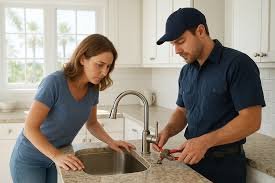
Persistent faucet leaks can waste water and may eventually contribute to moisture damage around the fixture or beneath the sink. Check the supply connections, handles, and area underneath the basin for signs of dampness.
Sometimes replacing a worn washer, cartridge, seal, or other component solves the problem. Other times, the fixture itself has reached the end of its useful life.
Either way, a faucet that has been dripping for months isn’t something worth ignoring.
Floors Show the Effects of Everyday Life
Flooring deals with almost everything a household can throw at it. Shoes, pets, furniture, spills, children, moving boxes, and years of foot traffic eventually leave their mark.
Some damage is cosmetic. A scratched plank or faded area may simply be part of the floor’s history.
Other problems deserve faster attention.
A loose tile can allow moisture beneath the surface. A soft section of wood flooring may indicate water damage. A raised or warped plank can become a trip hazard.
Depending on the material and extent of damage, flooring repairs may involve replacing individual boards or tiles, securing loose sections, addressing moisture, or repairing the underlying surface. The sooner the cause is identified, the more likely it is that a localized repair will be possible.
Look Under the Sink
The space underneath a kitchen or bathroom sink is easy to forget. Most people don’t open that cabinet unless they’re looking for cleaning supplies.
Take a look occasionally.
Check around the drain, supply lines, shutoff valves, and the bottom of the cabinet. A small water mark or swollen section of wood can be an early warning sign.
Don’t assume a dry cabinet means everything is perfect, either. Some leaks happen only when the sink is being used, so running the water for a minute while checking the plumbing can reveal problems that aren’t obvious otherwise.
Cracks Need Context
Cracks are one of those home issues that can cause unnecessary panic.
Many small cracks are harmless. Materials naturally expand and contract, and minor settlement happens in buildings. Drywall joints can also crack with age.
But context matters.
A crack that suddenly appears, keeps growing, becomes significantly wider, or occurs alongside sticking doors and uneven floors deserves a closer look. Foundation and structural concerns are particularly important to investigate rather than simply filling with compound.
The point isn’t to assume the worst. It’s to understand what’s happening before choosing a repair.
Don’t Forget About Water Around Appliances
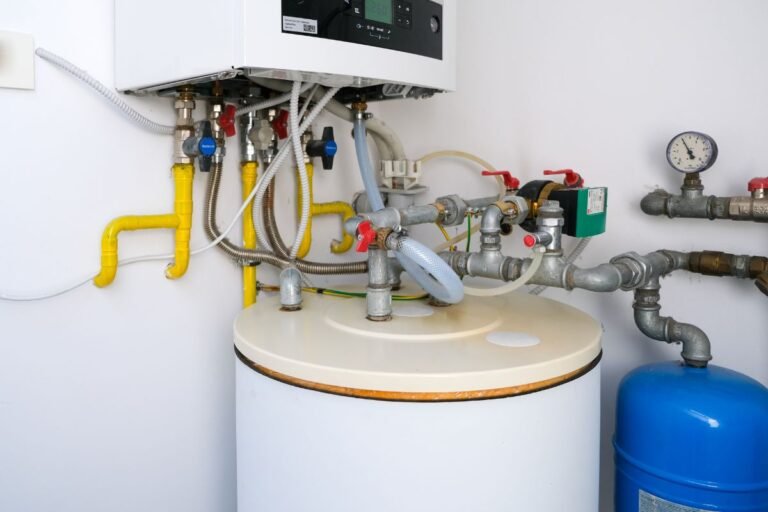
Washing machines, dishwashers, refrigerators with water connections, and water heaters all have the potential to create moisture problems.
Inspect hoses and visible connections. Look for corrosion, dampness, staining, or water collecting where it shouldn’t.
A small appliance leak can damage flooring and cabinets surprisingly quickly. If you notice moisture around a water heater, for example, don’t assume it’s just condensation. Determine where the water is coming from.
Routine checks are boring, admittedly. They’re also much cheaper than replacing damaged flooring and cabinets.
Doors and Windows Can Signal Changes
If a door suddenly becomes difficult to close, don’t automatically blame the door.
Humidity can affect wood. Hinges can loosen. Frames can shift. In some cases, changes in the surrounding structure can affect alignment.
Windows can offer similar clues. A window that’s suddenly harder to open or close may have a hardware issue, but it could also be responding to movement around the frame.
Keep an eye on patterns. One stubborn door is usually a small repair. Several doors and windows changing at the same time deserve more attention.
Watch for Moisture After Heavy Rain
Rain gives homeowners a useful opportunity to inspect their properties.
After a significant storm, check ceilings, attic spaces, window frames, exterior walls, and areas around doors. Look for new stains, damp smells, peeling paint, or water marks.
Don’t assume a stain that dries is a problem that has disappeared. Water intrusion can remain hidden between visible episodes.
Gutters and downspouts deserve attention, too. Clogged gutters can send water where it was never supposed to go, potentially contributing to problems around the roofline, walls, and foundation.
Some Repairs Shouldn’t Be Guesswork
DIY repairs can be satisfying. There’s something nice about fixing a loose hinge or patching a small hole and stepping back to see the result.
But know your limits.
Electrical work, major plumbing failures, structural concerns, significant water damage, and repairs requiring specialized equipment are better handled by qualified professionals.
Trying to save a few dollars isn’t worth creating a safety hazard or turning a manageable repair into a much larger project.
When you’re unsure about the cause of damage, professional diagnosis can actually save money because it prevents unnecessary work.
Keep a Small Repair List
You don’t need an elaborate maintenance spreadsheet.
Keep a note on your phone with three simple categories: urgent, soon, and eventually.
A dripping pipe might belong under urgent. A loose cabinet handle can probably wait. A cosmetic wall mark might land in the eventually category.
This approach keeps minor issues from disappearing into the background while also preventing you from feeling like every little imperfection requires immediate action.
Small Attention Pays Off
Owning a home means accepting that something will eventually need fixing. That’s not a failure of the property. It’s simply what happens when a building is lived in.
The goal is to stay aware of changes and respond before small issues have time to grow.
A damaged wall, dripping faucet, or uneven floor may seem insignificant today. Sometimes it is. But when you inspect problems early, you have more choices, and repairs are often simpler.
So take a walk through your home once in a while. Open the cabinets. Look beneath the sinks. Check the floors. Notice the doors that don’t feel quite right.
It doesn’t take much time.
And that little bit of attention can go a surprisingly long way toward keeping your home comfortable, safe, and ready for the years ahead.