A dripping faucet doesn’t look like an emergency. Neither does a toilet that takes an extra few seconds to stop running, a shower with weak pressure, or a water heater that makes an unfamiliar popping sound. Most homeowners have seen these things and thought, “I’ll deal with it this weekend.”
And then the weekend disappears.
That’s the tricky thing about plumbing. Small problems can stay small for a while, giving you plenty of time to ignore them. But water is persistent. A minor leak can slowly damage a cabinet, waste gallons, encourage mold growth, or eventually become a much more expensive repair.
Good plumbing maintenance isn’t about worrying over every drop of water. It’s about recognizing the warning signs and dealing with sensible repairs before they turn into household disasters.
Your Water Heater Deserves More Attention
Hot water is one of those conveniences we only appreciate when it disappears. A cold shower on a winter morning makes that point pretty quickly.
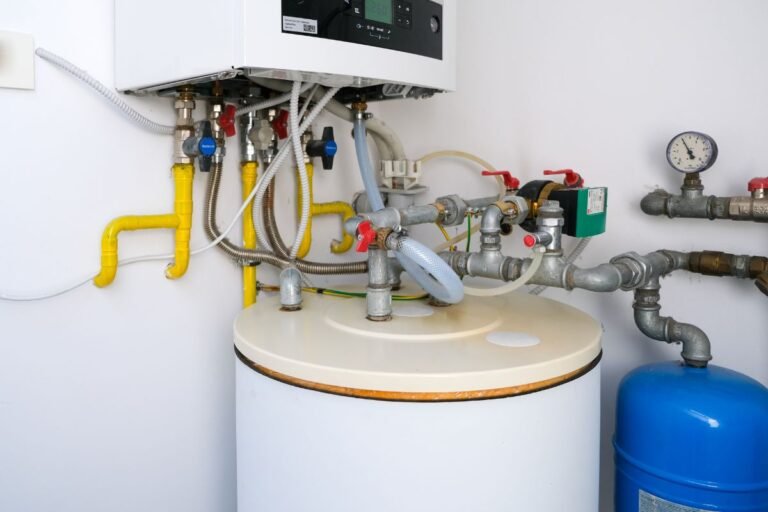
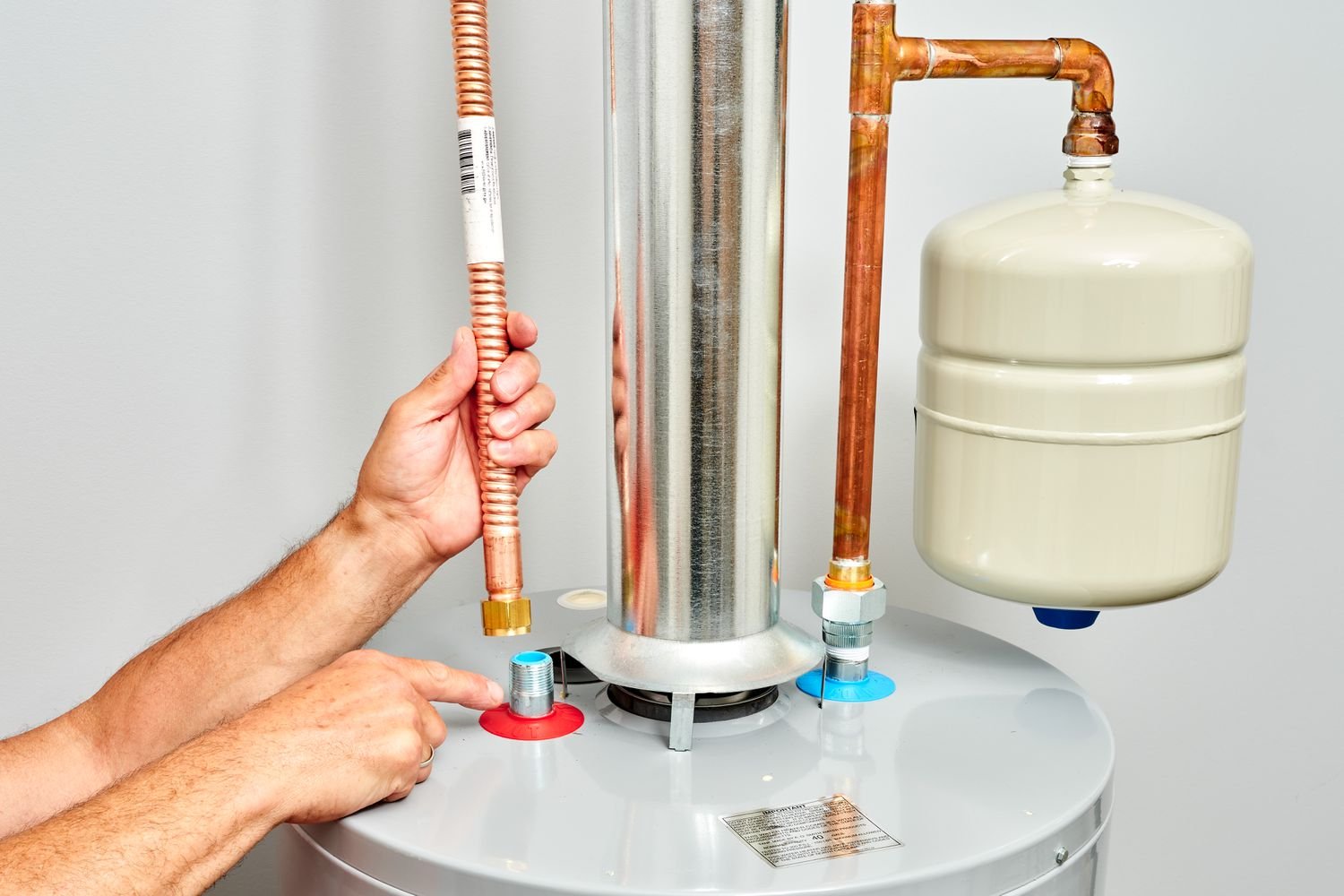
Modern water heaters can provide years of dependable service, but they still need care. Sediment can collect inside the tank, components can wear down, connections may develop leaks, and older units can become less efficient.
Pay attention to changes. If the water isn’t staying hot as long as it used to, temperatures fluctuate, the tank makes unusual noises, or you notice moisture around the unit, don’t simply assume it’s normal aging.
Some problems can be addressed through routine maintenance, while others may indicate that replacement is becoming more practical. The age and condition of the unit matter, as does the cost of continued repairs.
A Dripping Faucet Is More Than an Annoyance
That steady drip can be surprisingly irritating. At night, it somehow becomes ten times louder.
Beyond the noise, however, a leaking faucet wastes water and can indicate a worn washer, cartridge, valve, seal, or connection. Fortunately, many faucet leaks are relatively straightforward to repair when the cause is identified correctly.
Not every faucet needs replacing. Sometimes a small component is all that’s required. But if a fixture is heavily corroded, repeatedly failing, or simply nearing the end of its useful life, replacement may make more sense.
Good fixture repair & replacement isn’t about replacing everything with something new. It’s about knowing when repair is sensible and when continued repairs are throwing money at an aging fixture.
Hidden Leaks Are the Ones to Worry About
A visible puddle is easy to understand. A leak behind a wall is another story.
Hidden leaks can occur beneath sinks, behind appliances, inside walls, under flooring, or below the property. They may produce subtle signs before causing obvious damage. A musty smell, unexplained staining, warped flooring, damp cabinets, peeling paint, or an unusually high water bill can all deserve attention.
Modern leak detection technology can help identify unusual water activity earlier. Depending on the system, sensors may monitor moisture, pressure, or water flow and alert homeowners when something appears abnormal.
Even without smart equipment, watching your water bill and paying attention to changes in household water use can provide useful clues.
Your Toilet Could Be Wasting Water Quietly
Toilets are another common source of hidden water waste.
A toilet that continues running after flushing may have a problem with its flapper, fill valve, float, or another component. Sometimes the sound is obvious. Other times it’s barely noticeable.
A simple test can help. Add a small amount of food coloring to the tank and wait without flushing. If colored water appears in the bowl, the flapper or another component may be allowing water to pass through.
It seems like a tiny issue, but a toilet that runs continuously can waste a significant amount of water. Fixing it is usually much cheaper than paying for months of unnecessary consumption.
Don’t Ignore Water Pressure Changes
Low water pressure can be frustrating, particularly when you’re trying to rinse shampoo out of your hair and the shower suddenly feels like it’s giving up on you.
The cause isn’t always the same.
A clogged aerator or showerhead may be easy to fix. A partially closed valve could be restricting flow. Sediment buildup, pipe corrosion, pressure-regulating equipment, or larger plumbing problems can also play a role.
If pressure drops suddenly throughout the home, it’s worth investigating rather than assuming the problem will disappear on its own. A gradual change in an older home may point to a different issue than a sudden pressure loss.
Know When a Repair Is Enough
Homeowners often face a simple question: repair or replace?
There isn’t one universal answer.
For a relatively new faucet with an inexpensive failed cartridge, repair is usually sensible. For an old fixture that’s corroded, leaking from multiple places, and difficult to find parts for, replacement may be the better long-term decision.
The same thinking applies to water heaters, pumps, valves, and other plumbing equipment. Consider the age of the component, repair history, parts availability, energy efficiency, and expected remaining lifespan.
A cheap repair isn’t necessarily cheap if you’ll have to repeat it three months later.
Water Damage Often Starts Small
Water doesn’t need a dramatic pipe burst to cause damage.
A slow leak underneath a sink can swell cabinetry. A loose washing-machine connection can damage flooring. A small roof or plumbing leak can create moisture inside a wall.
The sooner moisture is identified, the easier it generally is to address the underlying problem. That’s why regular visual checks are worth doing.
Every few months, look underneath sinks, around toilets, behind appliances, and near water heaters. You’re not searching for catastrophe. You’re simply checking that everything looks and feels as it should.
Maintenance Beats Emergency Plumbing
Preventive maintenance may not be exciting, but it can save money and stress.
Check exposed pipes for corrosion. Inspect flexible supply lines. Clean faucet aerators. Watch for slow drains. Look around water-using appliances. Keep an eye on the water heater and shutoff valves.
If you live in an older property, periodic professional inspections can be especially useful. A trained plumber may spot deteriorating components that aren’t obvious to someone without plumbing experience.
And know where your main water shutoff is. This sounds basic, but when a pipe suddenly breaks, finding the shutoff valve isn’t the moment you want to start searching through a basement or utility room.
Use Water as a Clue
Your plumbing often tells you when something is changing.
A new sound from the water heater. A faucet that won’t stop dripping. A toilet that runs at random. A water bill that’s suddenly higher. Dampness where there shouldn’t be any.
None of these signs automatically means a major repair is coming. But they are worth noticing.
The smartest approach is usually the least dramatic one: investigate early, repair what can reasonably be repaired, replace components when continued repair no longer makes sense, and keep an eye on the system as a whole.
Plumbing doesn’t need constant attention. It needs appropriate attention at the right time.
And sometimes, taking care of that tiny drip today is exactly what keeps you from dealing with a very large puddle tomorrow.