A water heater is one of those appliances you only think about when it stops doing its job. One minute you’re enjoying a long, hot shower; the next, you’re standing under lukewarm water wondering what on earth happened.
Sometimes the culprit is obvious. Other times, the problem has been building quietly for years.
Water quality can play a role here, particularly when minerals in the water interact with plumbing and water-heating equipment. Hard water, sediment and other conditions can affect performance over time, which is why paying attention to the entire water system — not just the filter at the kitchen sink — makes sense.
There’s also a small component inside many traditional storage water heaters that deserves more attention than it usually gets.
It’s called the anode rod.
What Exactly Is an Anode Rod?
An anode rod is a metal component installed inside many tank-style water heaters. Its main purpose is to help protect the steel tank from corrosion.
The basic idea is fairly clever. Instead of allowing the tank itself to become the easiest metal for corrosion to attack, the anode rod is designed to corrode preferentially.
That’s why people sometimes call it a “sacrificial” anode.
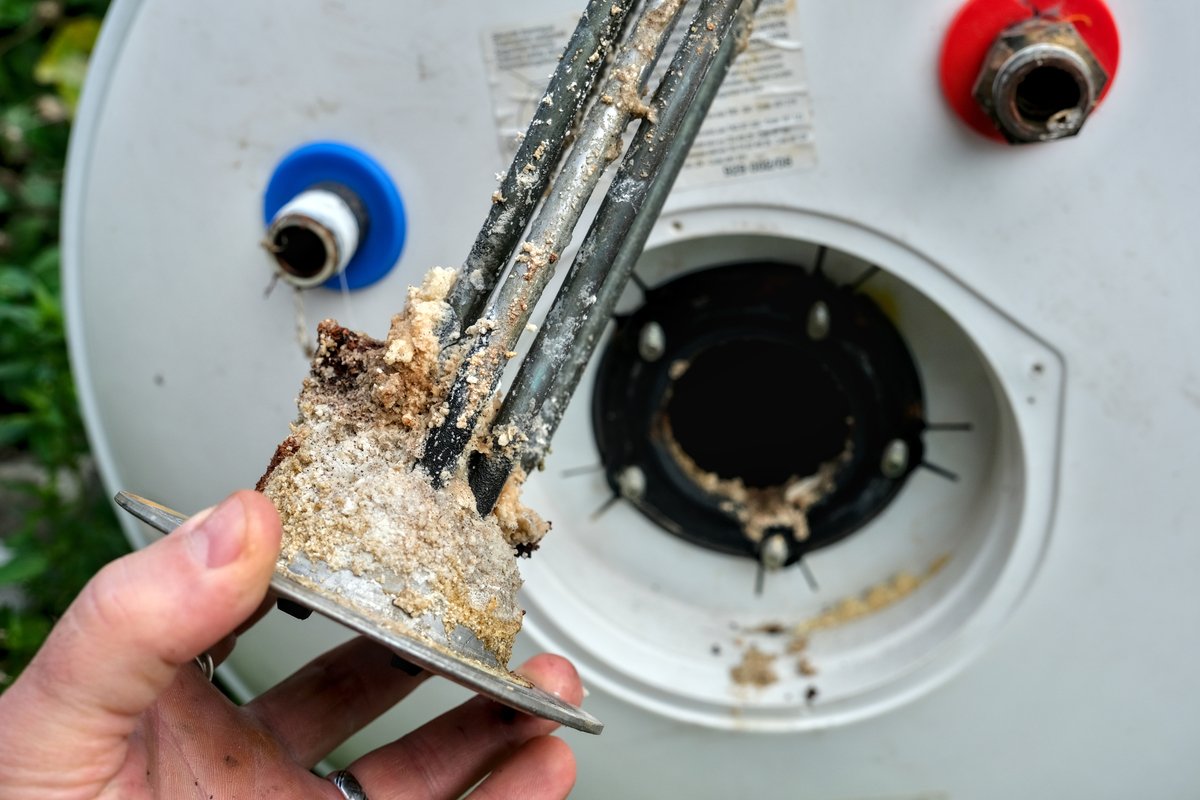
Over time, the rod gets consumed. Eventually, it may have little material left to do its job. When that happens, the tank loses an important layer of protection.
And here’s the part many homeowners miss: the rod is a replaceable component. You don’t necessarily need to replace the entire water heater just because the anode rod has reached the end of its useful life.
Why Water Quality Matters
Water chemistry can vary considerably from one home to another.
Minerals, dissolved substances, pH and other characteristics can influence how water interacts with plumbing and equipment. Hard water, for example, can contribute to scale buildup, while other conditions may influence corrosion.
This doesn’t mean every water-quality issue will damage a water heater. It simply means the water entering your home is part of the bigger picture.
Understanding your water treatment needs can therefore help you make smarter decisions about household equipment. Testing can reveal characteristics that aren’t obvious from looking at a glass of water.
That’s particularly useful if you’re dealing with recurring scale, unusual odors, sediment or other changes.
The Rod Doesn’t Last Forever
Anode rods are consumable components.
Exactly how long one lasts depends on several factors, including water chemistry, temperature, usage and the type of rod installed. Some may need attention sooner than others.
The problem is that you can’t easily see the rod from outside the tank.
That’s why routine inspection matters. A technician can evaluate its condition and determine whether replacement is appropriate.
If the rod is heavily depleted, replacing it may provide useful protection for the tank. Waiting until the rod is completely gone, on the other hand, can leave the steel tank more exposed to corrosion.
It’s a small part, but small parts can have surprisingly large consequences.
Signs Your Water Heater Needs Attention
Not every water heater problem points to an anode rod.
If you notice rusty-colored water, unusual smells, inconsistent hot water, leaks or strange noises, there may be several possible causes.
Sediment accumulation is another common issue in tank-style heaters. Minerals and particles can settle at the bottom of the tank, especially under certain water conditions. When the heating element or burner operates, that sediment can contribute to popping, rumbling or other unusual sounds.
Leaks are more serious.
If the tank itself is leaking, professional evaluation is important because internal corrosion may already be advanced. Replacing an anode rod won’t repair a failed tank.
Knowing the difference between maintenance and a major failure can save you some unnecessary expense.
Hard Water and Water Heaters
Hard water gets blamed for nearly everything, but there is a legitimate connection between hardness and scale.
Calcium and magnesium can form mineral deposits when water is heated. Over time, scale may accumulate on components and inside equipment.
The effect depends on the water chemistry and the specific heater, but reducing excessive hardness can help limit scale-related issues.
This is one reason water treatment should be viewed as part of a broader home-maintenance strategy rather than a standalone purchase.
A water softener, filtration system or another treatment approach may be appropriate depending on the actual water conditions. Testing first is still the sensible move.
Don’t Turn the Temperature Up to Solve Everything
When hot water seems insufficient, homeowners sometimes increase the thermostat without investigating the cause.
That isn’t always a good solution.
Higher temperatures can increase energy use and create greater scalding risk. If the real problem is sediment, a failing component or an undersized heater, turning up the temperature may simply mask the underlying issue.
Instead, consider the basics first. Is the heater properly sized? Has it been maintained? Is sediment accumulating? Are the heating components working correctly?
And if you’re unsure, have the equipment inspected.
Maintenance Can Be Surprisingly Simple
Water heaters aren’t maintenance-free, although they don’t require constant attention either.
Depending on the heater, maintenance may include flushing or draining the tank, inspecting components, checking connections and evaluating the anode rod.
The exact procedure varies by equipment and installation, so it’s wise to follow the manufacturer’s recommendations or have a qualified professional handle tasks you’re not comfortable performing.
A maintenance visit can also reveal problems that aren’t obvious during everyday use.
That’s often the real value. You aren’t just fixing something; you’re finding potential trouble while it is still manageable.
Choosing the Right Replacement Rod
If an anode rod needs replacement, don’t assume every rod is identical.
Different materials and designs are available, and compatibility with the water heater matters. Common options include magnesium, aluminum-based alloys and other specialized configurations.
The right choice can depend on the heater and water conditions.
If you’ve noticed recurring odor or unusual water behavior, mention it during the inspection. That information may help determine whether a different type of anode rod or additional water treatment should be considered.
The cheapest replacement isn’t necessarily the best one.
Professional Service Has Its Place
There’s a lot of home maintenance you can handle yourself. Changing an accessible filter? Usually straightforward. Checking for obvious leaks? Easy enough.
Working around a large water heater is another matter.
Tank connections can be hot, pressurized and difficult to access. Anode rods can also be tightly installed and may require specialized tools to remove.
If you’re unsure about the equipment or the procedure, professional service is the safer choice.
A knowledgeable technician can inspect the heater, assess the anode rod, identify signs of corrosion and recommend practical next steps without turning a routine maintenance issue into a bigger problem.
Good Service Shouldn’t Stop at the Sale
Whether you’re purchasing water treatment equipment or maintaining existing systems, the quality of service matters.
Clear communication, honest recommendations and dependable follow-up can make a significant difference. A company focused on customer satisfaction should be willing to explain what it’s doing and why, rather than simply presenting you with a bill and moving on.
Ask questions. What was found? What needs attention now? What can wait? What maintenance should be scheduled later?
You don’t need to become a water-treatment expert. But you should understand what you’re paying for.
A Little Attention Goes a Long Way
The anode rod isn’t glamorous. It isn’t something guests will compliment when they visit your home. Nobody is going to admire it while drinking coffee in the kitchen.
But that’s exactly what makes it easy to overlook.
Good home maintenance is often about these unremarkable details. A filter changed on time. A valve checked before it fails. A water heater inspected before corrosion becomes a leak.
Your water heater is an important piece of household equipment, and protecting it starts with understanding the conditions it works in.
Pay attention to your water. Keep up with reasonable maintenance. Don’t ignore unusual changes. And when a job is beyond your comfort level, get professional help.
Those small steps won’t make your water heater immortal. Nothing will. But they can help you get more reliable performance from an appliance you probably don’t want to think about until you’re standing in the shower wondering where the hot water went.