Introduction
Most startup success stories get told in headlines that skip the messy middle — the pivots, the near-failures, the slow months where nothing seemed to be working. This startup success case study walks through the actual journey of a bootstrapped business that scaled to six figures in annual revenue, focusing on the specific decisions that mattered, not just the highlight reel.
The Starting Point: A Simple, Unglamorous Idea
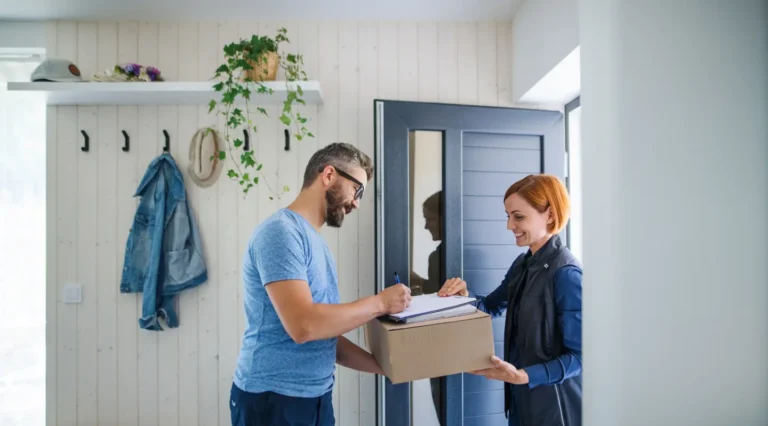
Direct answer: This startup success case study begins with a founder who started a B2B packaging supply business after noticing local restaurants in Jaipur consistently struggled to source affordable, quality takeaway packaging during a sudden demand surge — an unglamorous but genuinely underserved problem rather than a trendy tech idea.
The lesson here: solving a real, specific, currently-painful problem often beats chasing an exciting but unvalidated concept.
The First Six Months: Manual and Unscalable
- Personally delivered orders using a rented scooter
- Managed orders through a simple WhatsApp catalog, no website yet
- Focused entirely on 15-20 loyal restaurant clients rather than broad marketing
This deliberately manual, unscalable approach let the founder deeply understand customer needs before investing in any technology or infrastructure.
The Pivot That Changed Everything
Direct answer: Around month seven, the founder noticed that customers consistently asked about eco-friendly packaging options, a request initially dismissed as a minor preference — but after several similar requests, pivoting a portion of the product line toward biodegradable packaging revealed a significantly underserved niche with far less local competition and better margins.
This pivot came directly from listening closely to repeated customer feedback rather than from a planned strategic shift.
Scaling Operations Without Losing Quality
As order volume grew, the founder faced the classic scaling dilemma — hire help or personally maintain the quality that built initial trust. The solution was hiring one dedicated operations person specifically to handle logistics and customer communication, freeing the founder to focus on supplier relationships and expanding into biodegradable products. [link to related guide about how to lead a remote team effectively here]
Building Systems to Support Growth
Direct answer: Around the one-year mark, the business shifted from purely manual WhatsApp order management to a proper e-commerce ordering system and basic accounting software, a transition that initially slowed things down during setup but ultimately enabled handling significantly higher order volume without proportionally increasing administrative time.
This systemization phase is often where founders either successfully scale or hit an operational ceiling they can’t push past.
Diversifying Revenue Streams
Rather than relying solely on restaurant clients, the business gradually expanded into supplying small retail stores and event planners, diversifying revenue so that no single client segment represented more than roughly 30% of total revenue — a deliberate risk-management decision following a scare when one major client temporarily paused orders.
Reaching Six Figures: What Actually Drove Growth
Direct answer: By the eighteen-month mark, the combination of the eco-friendly packaging niche, diversified client segments, and systemized operations pushed the business past six figures in annual revenue — driven primarily by deepening relationships with existing clients and word-of-mouth referrals rather than significant paid advertising spend.
This underscores a recurring theme across many bootstrapped success stories: retention and referrals frequently outperform pure acquisition-focused growth strategies.
Lessons for Founders at Any Stage
The most transferable lessons from this startup success case study aren’t industry-specific — they’re about starting with a real, validated problem, staying genuinely close to customer feedback even when it means pivoting from your original plan, and systemizing operations at the right moment rather than too early or too late. [link to related guide about mistakes new entrepreneurs make here]
FAQ
How long did it take this startup to reach six figures in revenue? Approximately eighteen months from launch, though the growth wasn’t linear — it accelerated notably after the eco-friendly packaging pivot around month seven.
Did this startup case study involve any outside funding? No, this was a fully bootstrapped business funded entirely through founder savings and reinvested early revenue, without any external investor funding.
What was the single biggest factor in this startup’s growth? Listening closely to repeated customer feedback and acting on the eco-friendly packaging pivot proved to be the most significant turning point in the business’s trajectory.
Can the lessons from this case study apply to a completely different industry? Yes, the underlying principles — solving a real problem, staying close to customer feedback, systemizing at the right time — apply broadly across most types of small businesses.
What mistake did this startup case study highlight as a risk that was addressed? Over-reliance on a small number of large clients was identified as a risk, which the founder proactively addressed by deliberately diversifying into new customer segments.
Conclusion
This startup success case study shows that scaling to six figures rarely happens through one big breakthrough moment — it happens through consistent attention to customer feedback, timely operational decisions, and a willingness to pivot when the data points that direction. If you’re building your own business, look closely at what your customers keep asking for that you might currently be dismissing as a minor request; it might be your own version of this pivot.