We use water constantly, yet we rarely stop to think about it. It’s there when we brush our teeth, make coffee, wash vegetables, take a shower, do laundry, and clean the kitchen. Because it’s so familiar, it’s easy to assume that clear water is automatically good water.
Sometimes it is. Sometimes it isn’t quite that simple.
Water can contain minerals, sediment, disinfectant byproducts, or other substances that affect taste, odor, plumbing, or household appliances. The issue may be minor and mostly inconvenient, or it may deserve a closer look. Either way, understanding your water gives you a much better chance of making a sensible decision.
Clear Water Doesn’t Tell the Whole Story
A glass of water can look completely normal while still having characteristics you’d want to know about.
Hardness is a common example. Calcium and magnesium can remain dissolved in water without changing its appearance. Yet once that water reaches a hot shower, faucet, or appliance, those minerals can leave scale behind.
Taste and smell can also change for various reasons. Chlorine may be noticeable in some municipal supplies, while private well water can have naturally occurring minerals or other characteristics that affect its odor or flavor.
That’s why testing is often more useful than simply looking at the water. It turns a vague concern into information you can actually work with.
Hard Water Has a Way of Becoming a Household Chore
If you’ve ever spent Saturday morning scrubbing white deposits from a shower door, you already know how irritating hard water can be.
Hardness doesn’t necessarily mean water is unsafe. The bigger issue for many households is what happens over time. Mineral scale can collect around fixtures and inside equipment. Soap may not lather as effectively, and dishes can come out with spots or a cloudy film.
A suitable softening approach can reduce the effects of hardness and make certain cleaning tasks less frustrating. The important part is matching the treatment to the actual hardness level rather than buying equipment based on a generic promise.
Think About What Your Water Is Doing to Appliances
Your appliances are quietly exposed to household water every day.
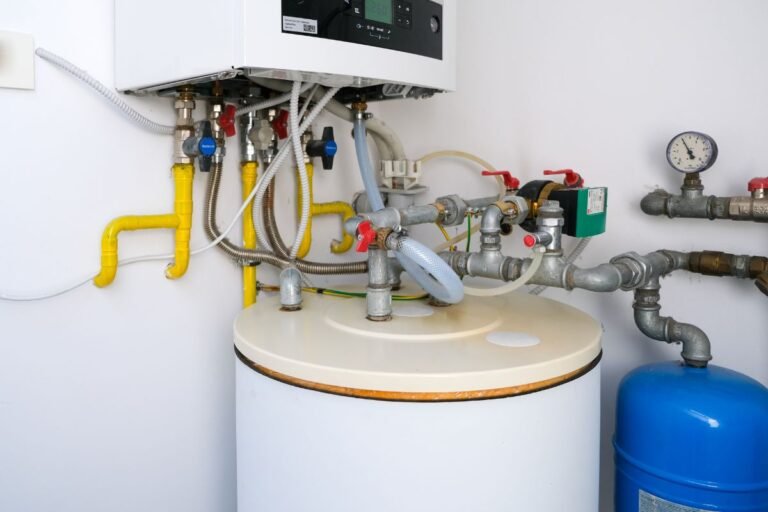
Water heaters, dishwashers, washing machines, coffee makers, humidifiers, and other equipment can all be affected by water characteristics. Scale is particularly troublesome in equipment that heats water because mineral deposits can accumulate on internal components.
This doesn’t mean every appliance problem is caused by water quality. Mechanical wear, poor maintenance, age, and installation issues are common causes too.
Still, if you notice recurring scale or residue, it’s worth considering the water as part of the bigger picture. Sometimes improving water quality can complement ordinary appliance maintenance and help keep things running smoothly.
Better Treatment Starts With Better Information
There’s no single filter that fixes every water-quality concern.
A sediment filter is designed to capture particles. Activated carbon can address certain tastes and odors. A softener focuses on hardness. Reverse osmosis can reduce many dissolved substances under appropriate conditions.
That difference matters. Good water treatment begins with identifying what needs to be reduced or removed and then choosing technology that is actually designed for the job.
It sounds straightforward, but homeowners often make decisions in reverse. They see a product first, then try to figure out whether they need it. A better approach is to understand the water first and let the findings guide the equipment.
What About Drinking Water?
Drinking water deserves its own consideration because the quality characteristics you care about at the kitchen sink may differ from those that affect your shower or laundry.
A whole-house system can address certain concerns throughout the property, while point-of-use treatment can provide additional treatment specifically for drinking and cooking water.
Neither approach is automatically better.
If your primary issue is hard water throughout the plumbing, a kitchen filter won’t address scale in the shower or water heater. If you’re mainly concerned about taste at the kitchen faucet, installing extensive whole-house equipment may be unnecessary.
The right solution depends on the problem.
Private Wells Need a Little More Attention
People who rely on private wells have another reason to pay attention to water quality.
Well water can change over time due to rainfall, groundwater conditions, flooding, nearby land use, well equipment, or other environmental factors. A well that has produced good-looking water for years isn’t guaranteed to stay exactly the same.
Regular testing can help establish a baseline and identify changes.
If the water suddenly becomes cloudy, develops an unusual odor, or changes noticeably in taste, don’t simply assume it will return to normal. Investigate the cause, particularly after flooding or other events that could affect the well.
Small Changes Can Improve Daily Comfort
The benefits of addressing water quality aren’t always dramatic.
Sometimes the improvement is simply that soap rinses more easily. The shower glass stays cleaner. The laundry feels less stiff. The coffee tastes more consistent. You spend less time wiping mineral deposits from the faucet.
Those things may sound small, but they’re repeated every day.
For many households, cleaner water is less about chasing some perfect idea of purity and more about making water better suited to the way the home uses it. That’s a much more practical goal.
Don’t Confuse More Treatment With Better Treatment
It’s easy to fall into the “more must be better” trap.
If one filter helps, perhaps three filters are better. If a softener solves hardness, maybe another treatment system should be added just in case.
Not necessarily.
Every piece of equipment has operating requirements, replacement parts, maintenance needs, and costs. Extra treatment can be useful when testing shows a genuine need, but unnecessary equipment can complicate a system without providing meaningful improvement.
A good professional should be able to explain why each component is being recommended. If the explanation is mostly marketing language and not much about your actual water, take a step back.
Maintenance Is Part of the Equation
Even correctly selected treatment equipment needs attention.
Filters eventually reach the end of their useful life. Softening equipment may require salt or routine service, depending on the technology. Reverse osmosis membranes also need periodic replacement.
Skipping maintenance can gradually reduce performance.
A simple maintenance schedule helps. Write down filter replacement dates, service appointments, and any changes you notice. It’s not exciting, admittedly, but it can prevent the classic situation where you suddenly realize that nobody has touched the system in two years.
Water Quality and the Bigger Home Environment
Water doesn’t exist separately from the rest of your home.
The water you use affects plumbing, cleaning routines, appliances, and daily habits. When water quality is addressed appropriately, the household can become easier to maintain.
In that sense, a healthier environment isn’t necessarily about installing every available treatment technology. It’s about understanding what your home needs and reducing avoidable problems where practical.
Good water management can be one small part of a home that’s cleaner, more comfortable, and easier to look after.
Make Decisions Based on Your Home, Not a Sales Pitch
There is plenty of water-treatment information online, and not all of it is equally useful. One household’s solution may be completely unnecessary for another.
Start with your water source and the symptoms you’re noticing. Test when appropriate. Understand what the results mean. Then compare treatment options based on performance, maintenance, cost, and long-term practicality.
That process may lead to a sophisticated system. It may also lead to something surprisingly simple.
Either outcome is fine.
The point is to solve the problem you actually have.
A Better Water Routine Starts With Awareness
Water quality isn’t something you have to obsess over. A little awareness goes a long way.
Notice changes. Ask questions. Maintain your equipment. Test when there is a sensible reason to do so. And remember that the best water-treatment decision isn’t necessarily the newest, largest, or most expensive one.
It’s the one that fits your water and your life.
When that happens, the benefits tend to become wonderfully ordinary. The faucet is easier to clean. The shower feels better. Appliances have less to fight against. Drinking water tastes the way you expect it to.
And perhaps that’s the real measure of good water quality: you don’t spend your day thinking about it. It simply works.