Most water treatment equipment works quietly in the background. You turn on the tap, take a shower, fill the washing machine, and rarely think about the equipment making all of that possible.
That silence is convenient, but it can also be deceptive.
Like an air conditioner, car, or furnace, a water treatment system needs occasional attention. Filters become dirty. Settings can drift. Pumps and valves may eventually wear. Sometimes a small issue sits unnoticed for months before suddenly becoming impossible to ignore.
And that’s usually when the phone calls begin.
Regular maintenance isn’t particularly exciting, but it can keep a minor problem from becoming an expensive household headache.
Your Water Treatment System Needs Attention Too
It’s easy to remember major home maintenance tasks. Change the HVAC filter. Clean the gutters. Service the car.
Water treatment equipment doesn’t always make the list because it isn’t something you see or hear every day.
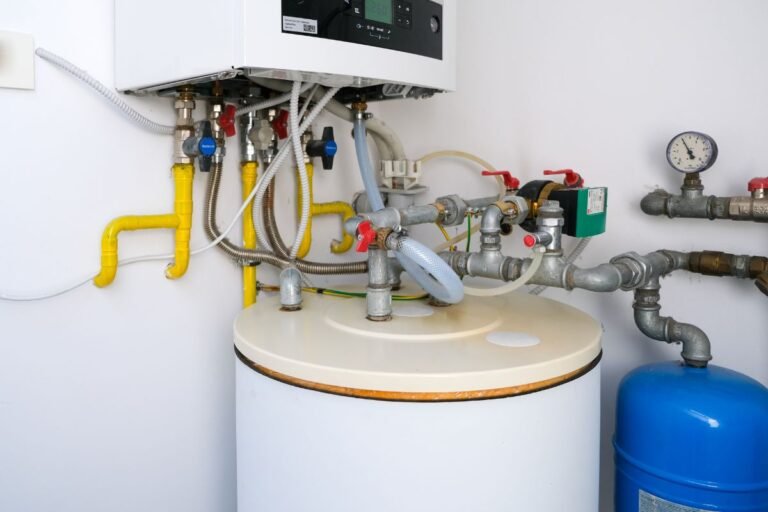
Yet systems that handle hundreds or thousands of gallons over time naturally experience wear. Filters collect sediment. Softening equipment needs regeneration and salt. Treatment media can eventually lose effectiveness.
A periodic tune-up can help identify issues before they affect water quality or equipment performance.
The exact maintenance schedule depends on the type of system and the quality of the incoming water. A household using well water with high sediment levels may need attention more frequently than a home with relatively clean municipal water.
Small Warning Signs Are Worth Noticing
Your water often gives you clues when something isn’t working as it should.
Maybe the water pressure has changed. Perhaps there’s a new taste or odor. You notice mineral buildup returning on fixtures, or your water softener seems to be using salt much faster than usual.
None of these signs should automatically cause panic. But they shouldn’t necessarily be ignored either.
A gradual change can indicate that a filter is nearing the end of its useful life or that another part of the treatment process needs adjustment.
Paying attention early gives you more options.
Waiting until the equipment completely stops working usually gives you fewer.
Not Every Repair Is an Emergency
There’s an important difference between routine maintenance and a genuine service problem.
A filter that is due for replacement can generally be scheduled. A softener that needs a routine check isn’t necessarily something that requires immediate attention.
But some situations deserve faster action.
If a system is leaking significantly, water pressure suddenly drops, untreated water is bypassing the equipment, or an electrical component appears unsafe, you shouldn’t simply wait for the next convenient appointment.
An urgent repair may be necessary when equipment failure could cause property damage or leave your household without properly functioning water treatment.
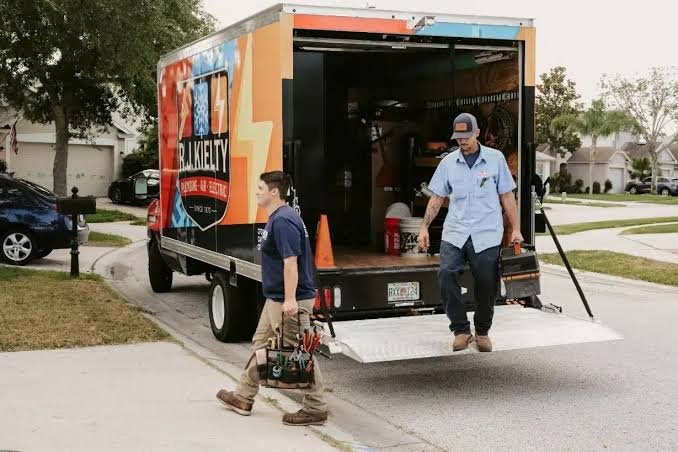
If you’re unsure how serious a problem is, contact a qualified technician rather than trying to diagnose complicated plumbing or electrical issues yourself.
Maintenance Can Extend Equipment Life
Replacing an entire water treatment system is rarely anyone’s favorite expense.
Regular servicing may help extend the useful life of components by catching problems while they’re still relatively manageable. A technician can inspect connections, valves, tanks, controls, and other components depending on the equipment.
For filtration systems, maintenance may include checking pressure, inspecting housings, and replacing cartridges. Water softeners may need checks of the brine system, settings, resin performance, and other components.
It isn’t a guarantee that equipment will last forever. Nothing does.
But sensible maintenance can help you get more value from the investment you’ve already made.
What If Someone Else Installed the System?
This comes up more often than you might expect.
A homeowner may move into a property with an existing filtration system. Or perhaps the original installer is no longer operating in the area. Maybe you simply weren’t satisfied with the previous service provider.
That doesn’t automatically mean you’re stuck.
Many experienced water treatment companies are willing to inspect and service systems installed by other dealers. The technician may first identify the equipment, check its condition, determine whether replacement parts are available, and explain what work is recommended.
This is especially helpful when you don’t have the original paperwork.
If you can find the model number, installation documents, or maintenance records, bring them to the appointment. Even a photograph of the equipment label can provide useful information.
Don’t Replace Parts Just Because They’re Old
One common misconception is that every older component needs to be replaced immediately.
Age matters, but condition matters too.
A technician should ideally evaluate whether a component is still functioning properly and whether continued use makes financial sense. Sometimes a relatively inexpensive repair is all that’s needed. In other cases, repeated repairs on an aging system may make replacement the more sensible choice.
Ask for an explanation.
If someone recommends replacing a major component, find out why. Is it failing? Is it obsolete? Are replacement parts unavailable? Would the repair cost nearly as much as upgrading the system?
Understanding the reasoning makes the decision much easier.
Water Quality Can Change Over Time
Another reason maintenance matters is that your water itself isn’t necessarily static.
Private wells can experience changes due to rainfall, drought, groundwater conditions, or other environmental factors. Municipal supplies can also vary in characteristics, and plumbing conditions can affect what reaches your tap.
If your water has changed noticeably, don’t automatically blame the filtration equipment.
Testing may reveal that the incoming water has changed or that a new treatment requirement has emerged.
In some cases, equipment that worked perfectly several years ago may need adjustment or additional treatment to address today’s conditions.
Keep Replacement Parts in Mind
A water treatment system is only useful when its essential components are available and maintained.
Before purchasing equipment, ask about replacement filters, membranes, treatment media, valves, and other commonly serviced parts. Find out how easy they are to obtain and whether the provider keeps common components in stock.
This becomes particularly important with older systems.
A repair may be technically possible, but if a critical proprietary part is no longer manufactured, replacement could become the practical option.
That doesn’t mean you need to replace equipment at the first sign of age. It simply means availability should be part of the long-term calculation.
A Little Record-Keeping Helps
You don’t need a complicated spreadsheet to keep track of water treatment maintenance.
Write down when filters were changed. Note when salt was added if your system uses it. Keep service invoices and model information somewhere accessible.
These small records can make future troubleshooting much easier.
If a technician asks when the last filter change occurred, you won’t have to stand there thinking, “Was that three months ago… or last year?”
A simple maintenance history can save time and sometimes money.
Choose Service Over Guesswork
Online troubleshooting guides can be helpful for simple tasks, but there’s a limit to how much you can determine without seeing the equipment.
If a problem involves plumbing connections, pressure, electrical components, leaks, or unfamiliar treatment technology, professional service is usually the safer route.
A qualified technician can assess the system as a whole rather than replacing parts based on symptoms alone.
That’s important because the visible problem isn’t always the underlying one.
A drop in pressure, for example, could come from a clogged filter, a valve problem, plumbing restrictions, or another issue entirely.
Good Maintenance Is Mostly About Peace of Mind
Water treatment isn’t glamorous home maintenance. Nobody brags about getting their filtration system serviced.
But you notice the benefits when things work properly.
Your water stays consistent. Appliances receive appropriate water. Filters perform as expected. Small issues are caught before they turn into expensive surprises.
The smartest approach is fairly simple: know what equipment you have, follow the manufacturer’s maintenance recommendations, pay attention to changes in water quality, and get professional help when something seems unusual.
You don’t need to obsess over every drop of water coming from the tap.
Just don’t wait for a small problem to become a big one.
A little attention now can save considerable hassle later — and sometimes, that’s the best kind of home maintenance there is.