Most people don’t think about their plumbing when everything is working. That’s probably a good thing. Water flows from the tap, the toilet flushes, the shower gets hot, and drains do what they’re supposed to do. There isn’t much reason to give any of it a second thought.
But plumbing systems don’t stay new forever.
Pipes age. Seals wear out. Faucets develop drips. Water heaters collect sediment. Drain lines gradually accumulate buildup. And sometimes, despite everyone’s best efforts, something simply breaks.
The difference between a manageable plumbing problem and an expensive household headache often comes down to how early the issue is noticed. A little attention today can prevent a much bigger mess tomorrow.
Small Warning Signs Are Worth Noticing
Plumbing problems rarely begin with a spectacular burst pipe. More often, the first clue is something easy to dismiss.
Maybe a faucet has started dripping overnight. Perhaps the toilet runs for a few seconds after flushing. A sink that once drained quickly now takes a little longer. You might notice a faint stain beneath a cabinet or hear water moving through pipes when every fixture is turned off.
These details matter.
Homeowners don’t need to become plumbing experts, but they should pay attention when something changes. A system that suddenly behaves differently is usually giving you useful information.
For example, an unexplained increase in your water bill can sometimes point to a hidden leak. It may not be dramatic enough to leave a puddle, but water can escape quietly inside walls, beneath floors, or underground.
Regular Care Is Easier Than Major Repairs
The phrase routine maintenance doesn’t sound particularly exciting. Nobody looks forward to inspecting shutoff valves or checking pipe connections on a Saturday morning.
Still, regular attention can help keep plumbing equipment operating properly and make developing problems easier to spot.
Look under sinks from time to time. Check around toilets and water heaters. Inspect exposed pipes for corrosion, moisture, or mineral buildup. Make sure accessible shutoff valves can actually turn when needed.
Drains deserve attention too. Avoid sending grease, cooking oils, wipes, and other inappropriate materials into plumbing systems. Hair catchers in showers can also prevent a surprising amount of buildup.
These are small habits, but they add up.
Know the Difference Between a Drip and a Crisis
Not every plumbing issue requires immediate professional assistance.
A worn faucet washer or clogged aerator may be a relatively simple fix. But some problems shouldn’t wait.
A burst pipe, major water leak, sewage backup, or failed water heater can cause significant damage if left unattended. In those situations, emergency repairs may be necessary to stabilize the system and protect the property.
The first step during a serious leak is usually to stop the water if it’s safe to do so. Know where the home’s main shutoff valve is located before an emergency happens. If only one fixture is leaking and has its own shutoff, that valve may be enough.
If water has reached electrical equipment, don’t take unnecessary risks trying to solve everything yourself. Safety comes first.
Your Water Heater Gives Clues Too
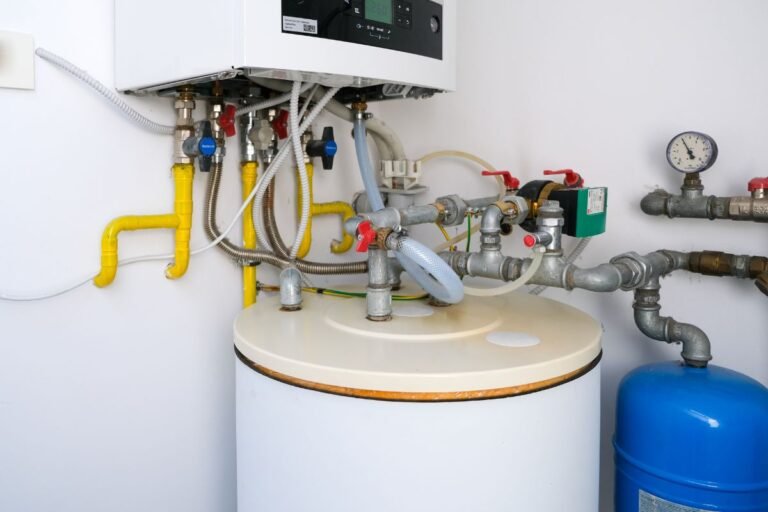
Water heaters are easy to forget because they’re usually tucked away in a garage, basement, closet, or utility area.
But they deserve occasional attention.
Unusual popping or rumbling sounds can indicate sediment buildup in a tank. Rust-colored water, inconsistent temperatures, visible corrosion, or moisture around the unit can also be warning signs.
Tankless systems have different maintenance requirements and may need periodic descaling depending on the water quality and manufacturer’s recommendations.
If a water heater is old and beginning to show several symptoms at once, planning ahead may be wiser than waiting for complete failure. Replacing equipment before it fails gives you time to compare options rather than making a rushed decision with no hot water.
Don’t Ignore Slow Drains
A slow drain is one of those problems people tend to live with.
You notice the bathroom sink taking longer to empty, pour some cleaner down it, and move on. Maybe it improves for a while. Then the problem returns.
Recurring blockages are worth investigating.
Kitchen drains can accumulate grease and food residue. Bathroom drains commonly collect hair and soap deposits. But repeated problems can sometimes point toward issues deeper in the drainage line.
If several drains in the home become slow at approximately the same time, that’s especially important. The cause may not be one individual fixture.
Instead of continually treating the symptom, consider having the drainage system evaluated.
Why Local Knowledge Can Matter
When you need professional assistance, there can be an advantage to working with local plumbers who understand the homes and plumbing conditions common in the area.
Local professionals may be familiar with typical construction methods, regional water conditions, common pipe materials, and recurring plumbing issues in nearby properties.
That doesn’t mean every local contractor is automatically the right choice. Experience, licensing where applicable, insurance, reputation, communication, and clear pricing still matter.
A good plumber should be willing to explain what they found, what needs to be repaired, and why. You shouldn’t have to understand every technical term to know what you’re paying for.
Don’t Let Water Pressure Changes Go Unnoticed
Water pressure can tell you quite a bit about a plumbing system.
A gradual decrease might come from mineral buildup, aging pipes, a failing pressure-regulating component, or another restriction. A sudden change can sometimes indicate a more immediate problem.
Start by noticing whether the issue affects one fixture or the entire house.
If only one faucet has weak flow, cleaning the aerator might solve the problem. If every shower, faucet, and appliance seems affected, the cause is likely somewhere else in the system.
Pressure that’s too high can be problematic as well. Excessive pressure may place additional stress on pipes, valves, fixtures, and appliances.
When the pressure seems unusual, don’t simply accept it as normal.
DIY Has Its Limits
There is nothing wrong with handling simple plumbing jobs yourself when you understand what you’re doing.
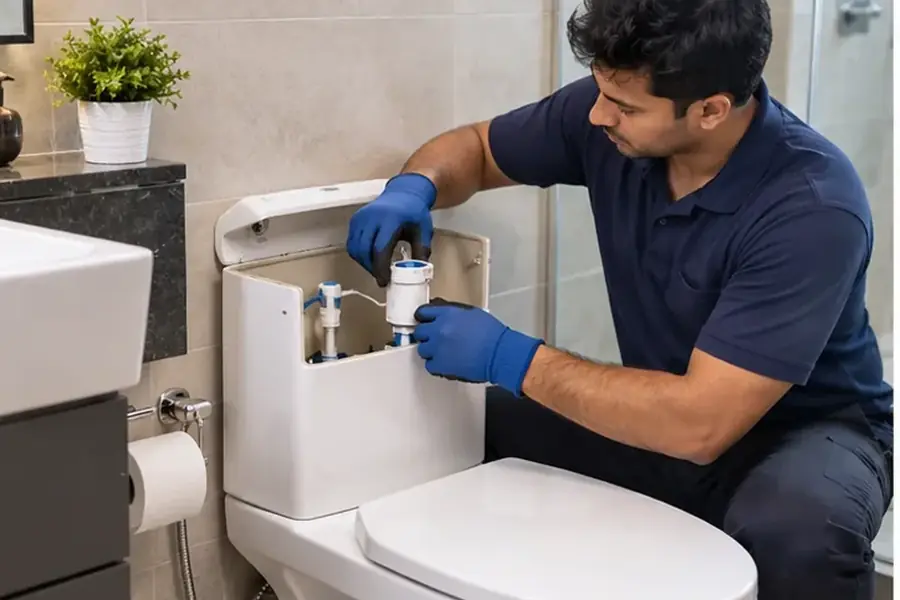
Replacing a showerhead, cleaning an aerator, changing a toilet flapper, or tightening an accessible connection can be reasonable tasks.
The trouble begins when a small repair turns into a larger project.
Opening walls, modifying supply lines, dealing with sewage, repairing hidden leaks, or working around electrical components requires greater caution. A mistake can create water damage that isn’t immediately visible.
If you’re unsure, getting professional advice is often the cheaper option in the long run.
Keep Track of Your Plumbing History
A little documentation can make future maintenance much easier.
Write down when the water heater was installed. Keep records of major pipe replacements, sewer work, or fixture upgrades. Note recurring issues and the repairs that solved them.
This information can help a plumber diagnose problems faster and can also help you plan future replacements.
It’s especially useful when buying or selling a home. Knowing the age and history of major plumbing components gives you a clearer picture of what you’re working with.
A Healthy Plumbing System Is Mostly About Awareness
Reliable plumbing doesn’t happen because a house is lucky. It comes from good installation, sensible use, timely repairs, and a little attention along the way.
You don’t need to inspect every pipe every week. Just notice changes. A new sound, unexplained moisture, slow drainage, unusual water pressure, or rising water usage can all be worth investigating.
And when something serious happens, act quickly rather than hoping the problem will somehow fix itself.
Plumbing isn’t glamorous, and maintenance rarely makes for an exciting story. But there’s something satisfying about knowing your home’s most important hidden systems are being looked after.
A few minutes of attention today can spare you a flooded floor, damaged cabinets, or a very unpleasant phone call tomorrow. Sometimes the smartest plumbing decision is simply dealing with the small thing before it gets the chance to become the big thing.