Introduction
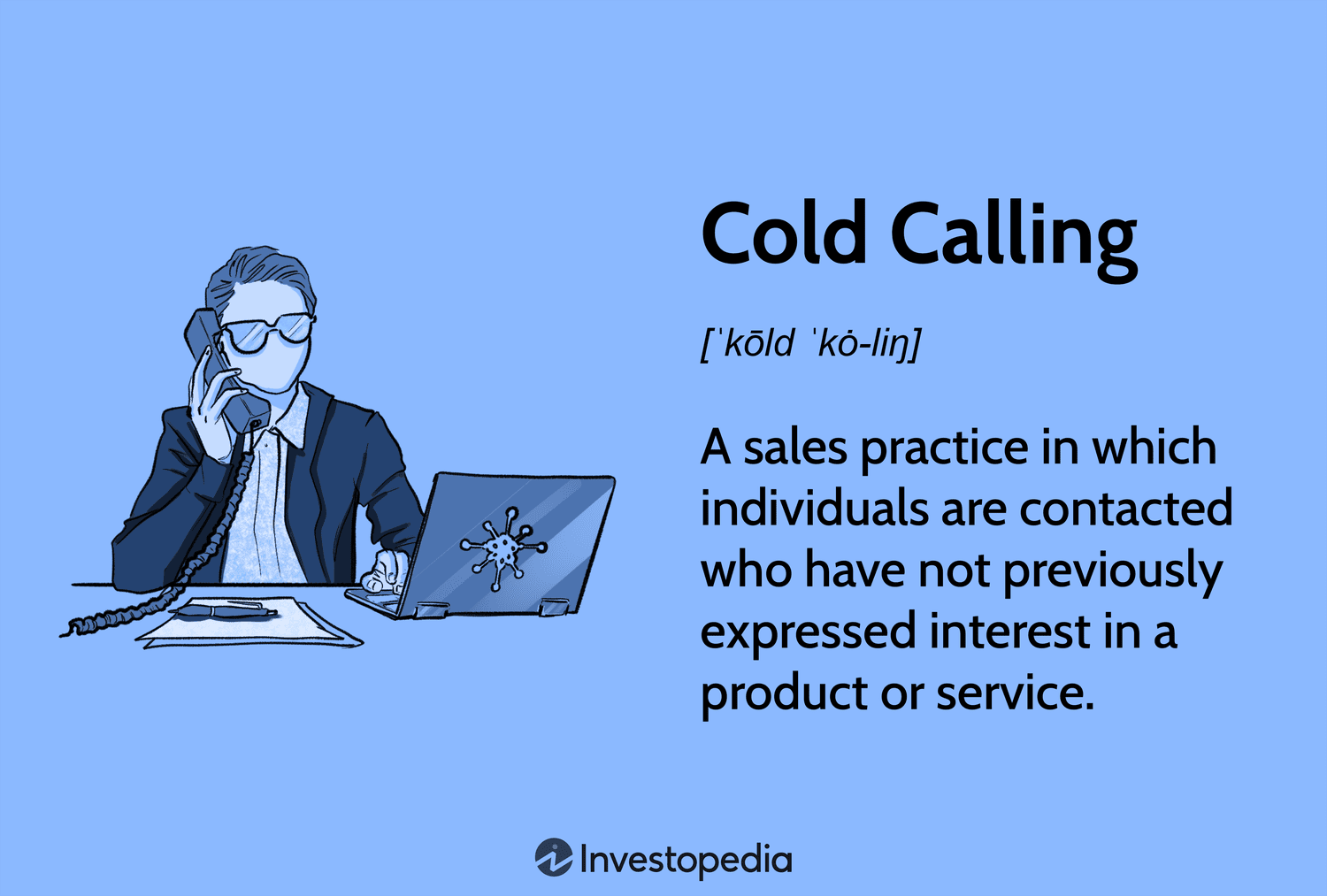
Cold calling has a bad reputation — most people dread making the calls, and most prospects dread receiving them. But despite predictions of its death for over a decade, it still works remarkably well when done correctly. These cold calling tips focus on what actually gets prospects to stay on the line and engage, rather than outdated scripts that trigger instant rejection.
Research Before You Dial
Direct answer: The most effective cold calling tip is spending 2-3 minutes researching the prospect before calling — their company, recent news, or specific challenges relevant to your offer — since a personalized opening line dramatically increases the chance they’ll stay on the call past the first ten seconds.
Generic “how are you today” openers signal a scripted call and trigger immediate defensiveness.
Nail Your Opening 10 Seconds
- State who you are and why you’re calling clearly, without rambling
- Reference something specific and relevant to their business
- Ask a direct, low-pressure question rather than launching into a pitch
Prospects decide within seconds whether to keep listening — a confusing or overly salesy opening loses them immediately.
Get Past Gatekeepers Respectfully
Direct answer: Getting past gatekeepers effectively means treating them as allies rather than obstacles — being genuinely polite, clearly stating your purpose, and asking for their guidance on the best way to reach the right person, rather than trying to talk your way around them.
Gatekeepers who feel respected are far more likely to help you get through than ones who feel dismissed or manipulated.
Focus on Curiosity, Not a Full Pitch
The goal of a cold call usually isn’t closing a deal on the spot — it’s earning a second conversation. Priya, who sells B2B software in Delhi, improved her callback rate significantly once she stopped trying to explain her entire product on the first call and instead focused purely on identifying whether there was a real problem worth discussing further.
Handle the “Not Interested” Response Gracefully
Direct answer: When a prospect says “not interested” immediately, the best response is a brief, non-defensive question that reopens the conversation slightly — like asking what they’re currently using for that specific problem — rather than immediately backing off or pushing harder.
Many “not interested” responses are simply automatic reflexes, not genuine final decisions, and a calm follow-up question often reveals real interest underneath.
Time Your Calls Strategically
Data consistently shows certain times outperform others for cold calling — generally mid-morning and mid-afternoon on Tuesdays through Thursdays tend to see higher connection rates than Monday mornings or Friday afternoons when people are either catching up or winding down. [link to related guide about how to improve sales skills here]
Keep a Consistent Follow-Up System
Very few deals close on the first call. Tracking every conversation and setting clear follow-up reminders — rather than relying on memory — ensures promising leads don’t quietly disappear simply because you got busy with other calls.
Practice and Refine Your Script Regularly
Review recordings of your own calls (with appropriate consent where required) to identify where prospects tend to lose interest or raise objections repeatedly. Refining your opening and objection responses based on real patterns, rather than guessing, steadily improves your connection and conversion rates over time.
FAQ
Is cold calling still effective in 2026? Yes, especially for B2B sales — while overall response rates have declined industry-wide, well-researched, personalized cold calls still convert meaningfully better than generic outreach.
How do I stop feeling nervous before making cold calls? Preparation helps most — having a clear, flexible structure (not a rigid script) and remembering the goal is just a genuine conversation reduces the pressure significantly.
What’s the best time of day for cold calling? Mid-morning and mid-afternoon on Tuesday through Thursday generally see the highest connection rates, though this can vary somewhat by industry and audience.
How many cold calling attempts should I make before giving up on a lead? Most successful salespeople make 5-8 attempts across calls and other channels before moving on, since many deals require multiple touchpoints before connecting.
Should I use a script for cold calling? A flexible framework works better than a rigid script — know your key points and questions, but stay natural enough to respond genuinely to what the prospect actually says.
Conclusion
These cold calling tips work because they focus on genuine conversation rather than forcing a scripted pitch onto someone who didn’t ask for it. Research before you dial, earn attention in the first ten seconds, and aim for a real second conversation rather than a same-call close. Cold calling isn’t dead — it just requires more skill and preparation than most people are willing to put in, which is exactly why it still works for those who do.