Introduction
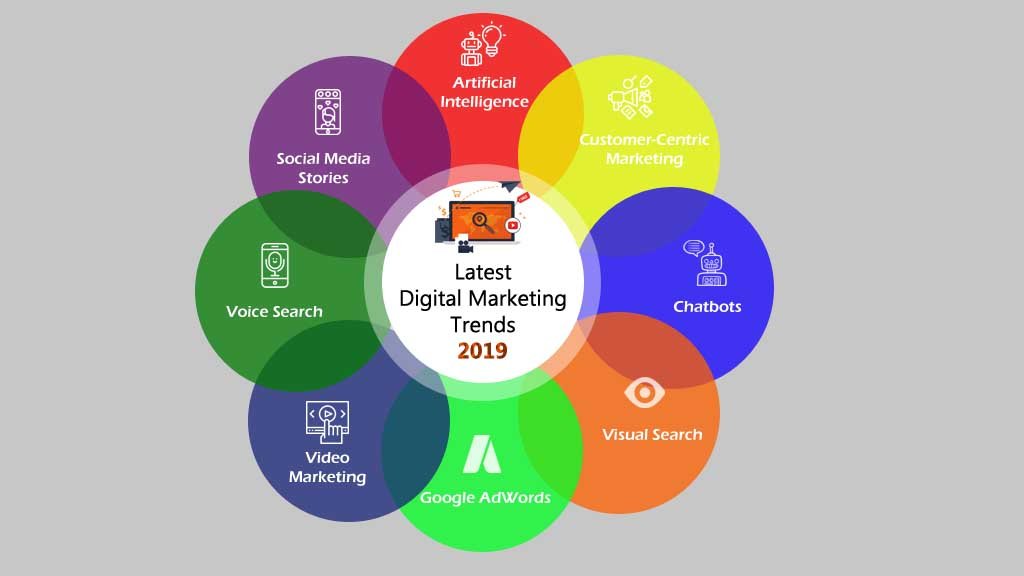
Digital marketing never sits still, and what worked brilliantly two years ago can quietly stop delivering results without much warning. Staying on top of the latest digital marketing trends isn’t about chasing every shiny new tool — it’s about understanding which shifts genuinely affect how customers discover and choose businesses like yours. Here’s what actually matters heading through 2026.
AI-Driven Personalization at Scale
Direct answer: One of the most significant digital marketing trends for 2026 is AI-driven personalization, where businesses use customer data to deliver individually tailored content, product recommendations, and messaging at a scale that was previously only possible for large enterprises with big budgets.
Even small businesses now have access to affordable AI tools that personalize email campaigns and website experiences based on visitor behavior.
Search Behavior Shifting Toward AI Answers
- More users are getting direct answers through AI-powered search results rather than clicking through multiple links
- Content optimized for clear, direct answers performs better in this new search landscape
- Traditional keyword stuffing matters less than genuinely comprehensive, well-structured content
Businesses adapting their content to answer specific questions clearly and directly are seeing stronger visibility in this shifting search environment.
Short-Form Video Continues to Dominate
Direct answer: Short-form video remains one of the strongest digital marketing trends, with platforms increasingly prioritizing video content in their algorithms, meaning businesses that consistently produce authentic, useful short videos see meaningfully higher organic reach than those relying purely on static images or text.
The bar for production quality has actually dropped — authentic, useful content frequently outperforms polished corporate video.
First-Party Data Becomes Essential
With increasing privacy restrictions limiting third-party tracking, businesses are shifting toward building their own customer data through email lists, loyalty programs, and direct engagement. Kavita, who runs an online skincare brand out of Jaipur, shifted significant budget from paid social ads toward building her email list, and found her email-driven sales became more predictable and cost-effective as third-party ad targeting grew less reliable.
Community-Driven Marketing Gains Ground
Brands building genuine online communities — through private groups, active comment engagement, or user-generated content campaigns — are seeing stronger loyalty and organic reach than those relying purely on broadcast-style advertising. [link to related guide about marketing strategy for small business here]
Voice Search and Conversational Queries
As voice assistants and conversational AI tools become more embedded in daily search behavior, content written in a natural, question-answering format performs increasingly well. This reinforces the shift toward clear, conversational content rather than dense, keyword-stuffed paragraphs.
Sustainability and Authenticity Messaging
Direct answer: Consumers, particularly younger demographics, increasingly favor brands that demonstrate genuine values and transparency rather than performative marketing messaging, making authentic storytelling around your actual business practices a meaningful digital marketing trend rather than just a nice-to-have.
Overstated or vague sustainability claims without real substance are increasingly called out publicly, making authenticity a genuine competitive advantage.
Integration Across Channels Matters More
Customers now move fluidly between social media, search, email, and messaging apps before making a decision, meaning a cohesive experience across all these touchpoints matters more than excelling at just one isolated channel. Businesses that maintain consistent messaging and branding across every channel see stronger overall conversion than those treating each platform in isolation.
FAQ
Which digital marketing trend should small businesses prioritize first in 2026? Building first-party data through email or loyalty programs tends to offer the most reliable, long-term return, especially as third-party tracking continues to grow more restricted.
Is short-form video necessary for every type of business? While not mandatory, most businesses benefit from at least some video presence, since algorithm changes increasingly favor video content for organic reach across major platforms.
How is AI changing digital marketing for small businesses? AI tools are making personalization, content creation, and data analysis significantly more affordable and accessible, leveling the playing field between small businesses and larger competitors.
Do digital marketing trends change often enough to require constant strategy changes? Core principles remain fairly stable, but tactical execution should be reviewed every few months to ensure your specific channels and formats still match current platform behavior.
Should small businesses invest heavily in every new digital marketing trend? No — selectively adopting trends that genuinely fit your audience and business model works far better than spreading resources thin trying to chase every emerging trend.
Conclusion
Keeping up with digital marketing trends doesn’t mean overhauling your entire strategy every few months — it means staying aware of genuine shifts in customer behavior and selectively adapting where it makes sense for your business. Focus especially on first-party data and authentic content this year, since these trends show the clearest signs of staying relevant well beyond 2026.