Sometimes, the problem isn’t your cleaning routine at all. It may be the water running through your home. You scrub the bathroom, wash the dishes, and clean the shower doors, yet cloudy marks and stubborn residue keep coming back. Your soap doesn’t seem to work as well as it should, and even freshly washed clothes can feel a little rough. These everyday frustrations are often linked to hard water, a common issue that many homeowners don’t recognize until the signs become difficult to ignore.
Hard water contains higher concentrations of dissolved minerals, particularly calcium and magnesium. These minerals are naturally present in groundwater as it moves through rocks and soil. They’re not generally considered a health concern at typical levels, but they can affect cleaning, plumbing, appliances, and the overall comfort of daily life. Understanding what’s happening is the first step toward finding a solution that makes sense for your household.
Why Hard Water Leaves Marks Around the House
One of the first signs of hard water is the pale, chalky residue that appears on faucets, showerheads, glass doors, and kitchen fixtures. These limescale deposits develop when mineral-rich water evaporates, leaving calcium and other minerals behind. Over time, the residue can become stubborn, particularly in places where water regularly collects or drips.
At first, the marks may seem like a minor housekeeping issue. A quick wipe might remove them, and life goes on. But repeated buildup can make cleaning more time-consuming. Showerheads may develop clogged openings, faucets can lose their polished appearance, and kettles or other water-heating appliances may accumulate mineral scale inside.
The effect isn’t limited to appearance, either. Heavy scale buildup can interfere with water flow and reduce heat-transfer efficiency in some appliances. That means equipment may need more frequent maintenance, and certain components can experience additional wear. The severity depends on the water’s mineral content, the appliance design, and how consistently the system is maintained.
The Connection Between Hard Water and Cleaning Problems
Have you ever noticed that soap seems to disappear without producing much lather? Hard water can help explain why. Calcium and magnesium react with ingredients in many traditional soaps, reducing their ability to form a rich lather and creating insoluble residue instead.
That residue often appears as soap scum, a dull film that clings to shower walls, bathtubs, tiles, and glass. It can trap dirt and body oils, leaving surfaces looking cloudy even after they’ve been rinsed. The more frequently the surfaces are used, the more noticeable the problem may become.
This can turn an ordinary bathroom cleaning session into an unnecessarily long chore. You might buy stronger cleaners, scrub harder, or repeat the same task every few days. While suitable cleaning products can help remove existing buildup, they don’t change the mineral composition of the water itself.
A practical approach is to use a cleaner designed for the affected surface and follow its directions carefully. Avoid mixing cleaning chemicals, especially products containing bleach and acids. For long-term prevention, testing your water can help determine whether hardness is contributing to the recurring residue.
Does Hard Water Affect Skin and Hair?
The conversation around hard water often focuses on pipes and appliances, but the bathroom is where many people notice its effects personally. After a shower, your skin might feel tight, and your hair may seem harder to manage than usual. Some people associate dry skin and hair with hard water because mineral residue and soap deposits can leave an unpleasant feeling after washing.
It’s worth keeping expectations realistic, though. Hard water doesn’t affect everyone in the same way, and it isn’t necessarily the sole reason for skin dryness, scalp irritation, or dull hair. Weather, bathing habits, skincare products, and underlying skin conditions can all play a part.
Still, a few simple changes may help. Use lukewarm water rather than very hot showers, choose a gentle cleanser, and apply moisturizer after bathing if your skin feels dry. For hair, a suitable conditioner or occasional clarifying product may help remove residue, depending on your hair type.
If irritation persists, becomes painful, or develops into a rash, consider speaking with a healthcare professional. Changing your water treatment may improve comfort for some households, but it shouldn’t replace appropriate medical advice when symptoms continue.
The Hidden Impact on Plumbing and Appliances
Hard water can quietly affect the equipment you rely on every day. Dishwashers may leave spots on glasses, while washing machines can struggle with mineral buildup over time. Water heaters are another area worth considering because heat encourages certain dissolved minerals to form scale.
The consequences vary. A household with moderately hard water may experience little more than occasional spotting, while a home with very hard water may face more frequent cleaning and maintenance. Water temperature, usage patterns, pipe materials, and appliance design also influence how quickly problems develop.
Rather than replacing equipment or purchasing treatment products based on guesswork, start by identifying the actual water conditions. A professional water test can measure hardness and, when needed, check other characteristics such as iron content, pH, and total dissolved solids. Those additional measurements matter because not every stain or water-quality concern is caused by hardness.
Choosing the Right Water Treatment Solution
Once you know the level of hardness in your water, you can decide whether treatment is worthwhile. A water softener is a common option for households dealing with significant calcium and magnesium levels. Many conventional systems use ion exchange, replacing hardness minerals with sodium or potassium ions as water passes through a resin bed.
The right system depends on household size, daily water use, incoming water quality, available installation space, and maintenance preferences. Some systems regenerate automatically based on measured or estimated water use, while others follow scheduled cycles. A properly sized unit can help reduce mineral scale and make soaps and detergents work more effectively.
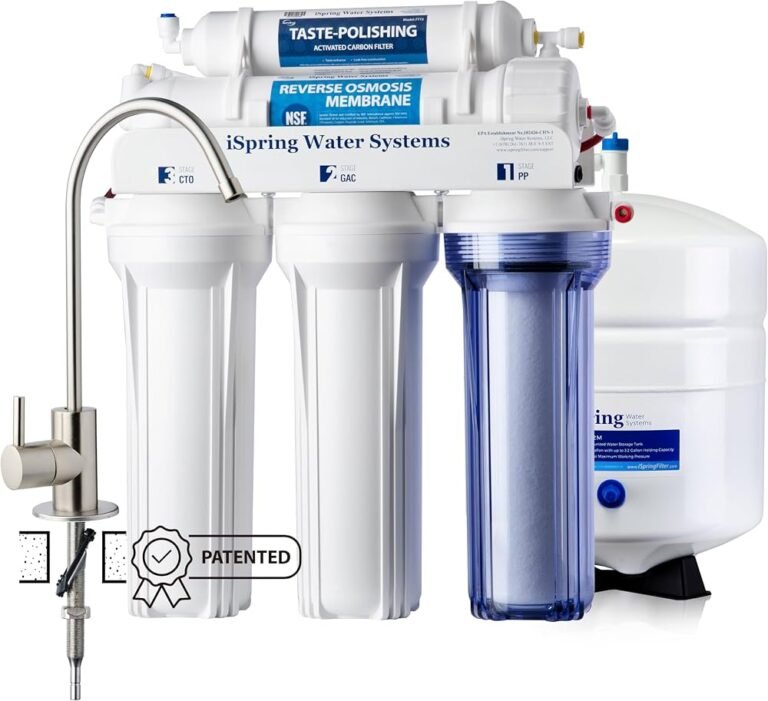
It’s also important to distinguish softening from filtration. A softener primarily addresses hardness minerals; it isn’t designed to remove every possible contaminant. If your concerns include unpleasant tastes, odors, or specific dissolved substances, additional filtration may be appropriate after testing identifies what needs attention.
Before choosing a system, ask about installation, ongoing maintenance, salt or potassium requirements, regeneration water use, and warranty coverage. A reputable provider should explain both the benefits and the limitations instead of promising that one device will solve every water problem.
Start With Better Information, Not More Guesswork
Hard water is rarely an emergency, but the small inconveniences it creates can add up. More time spent cleaning, recurring mineral marks, extra appliance maintenance, and uncomfortable bathing experiences can gradually become part of the household routine. The good news is that these problems are often manageable once their cause is understood.
Begin by observing where residue appears, checking whether it returns quickly after cleaning, and reviewing any available information about your local water supply. If the signs point toward hard water, arrange a reliable test and use the results to guide your next step.
You may not need a complicated treatment setup. Sometimes, a change in cleaning products is enough; in other cases, a properly selected water softener can make a noticeable difference. What matters most is choosing a solution that fits your home’s actual needs.
Water is something we use constantly without thinking about it. When its quality starts affecting everyday comfort, paying attention can save time, reduce avoidable maintenance, and make ordinary household tasks a little easier. And that, more than anything, is the value of understanding what’s flowing through your taps.